
Patient Prioritizes Active Lifestyle Before, During and After Treatment
Earlier in his adult life, 60-year-old Ronald Guiliano dealt with acid reflux. He was told in 2013 that he had erosion of his esophagus lining. Moving forward, he was able to get his acid reflex under control and didn’t run into any other significant health issues.
Fast forward to 2021, Guiliano recalls something feeling off as he was eating. Soon after, he underwent an endoscopy, where doctors found a tumor. He was diagnosed with esophageal cancer.
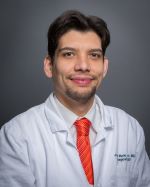
Jose Pimiento, MD
Jose Pimiento, MD, a gastrointestinal surgeon at Moffitt Cancer Center, says acid reflex can increase someone’s risk of developing esophageal cancer.
“Some underlying problems, such as reflux, are silent and can be long-standing,” Pimiento said. “Reflux can happen to people with good habits, except for eating time, for instance, eating late and going to bed soon thereafter.”
Consistent acid reflux can lead to gastroesophageal reflux disease (GERD). In some instances, this disease can lead to the development of Barrett’s esophagus. Barrett’s esophagus can cause precancerous changes in the lining of the esophagus.
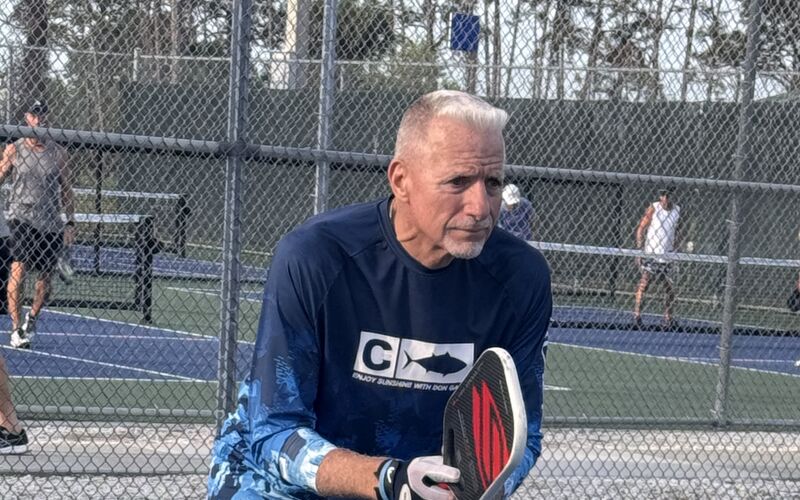
In Guiliano’s case, he lived a healthy and active lifestyle before his cancer diagnosis. He stayed active during his treatment at Moffitt, continuing one of his favorite hobbies: pickleball.
“I still played throughout my treatment,” Guiliano said. “There was about a three-week period where my body needed some rest, and I took the rest I needed and then started playing again. After my surgery, I took about six months off, then got back into it.”
Pimiento says staying active and maintaining healthy habits is key when it comes to the prevention of esophageal cancer.
“Eating habits are important in that avoiding reflux is essential to prevent this kind of cancer,” Pimiento said. “It’s also important to listen to your body. An upper endoscopy can detect chronic changes in the esophagus in patients with long-standing reflux. This early detection can lead to lifestyle changes and therapeutic interventions that can reduce the risk of developing cancer.”
After chemotherapy, radiation and surgery, Guiliano is now in remission.
“My encouragement to others is to not only stay healthy in your body but also in your mind and try to push to the other side of things,” Guiliano said.