
Radiopharmaceutical Boosts Targeted Radiation for Men With Early Metastatic Prostate Cancer
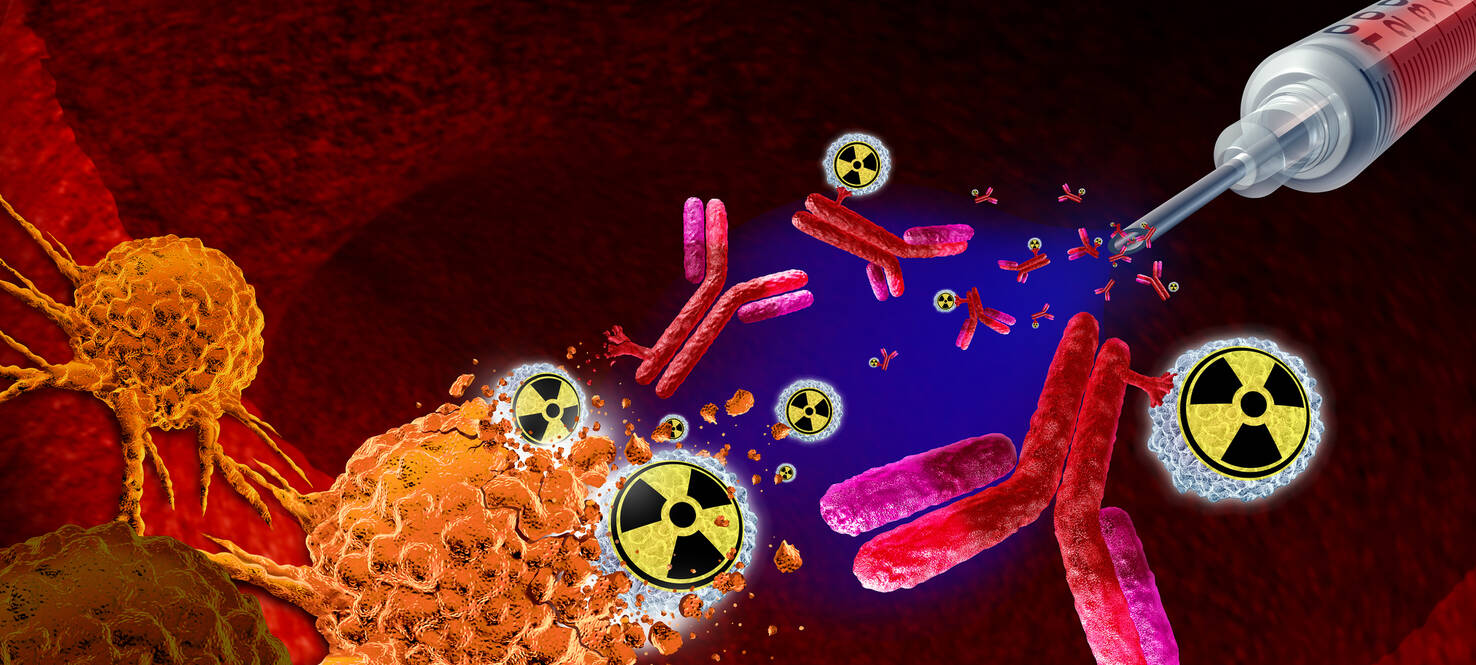
A new phase 2 study presented at the American Society for Radiation Oncology 2025 annual meeting reports that combining targeted stereotactic body radiation therapy with a specialized radiopharmaceutical significantly extends the time before disease progression in men with recurrent, early metastatic prostate cancer. The findings suggest that this approach may also delay the need for hormone therapy, which is commonly associated with side effects.
Study Design and Key Findings
In the LUNAR trial, researchers followed 92 men whose prostate cancer had returned and spread to a limited number of sites outside the prostate. Using advanced imaging to locate the disease, participants were randomly assigned to receive either ablative targeted radiation alone with stereotactic body radiation therapy or a combination of two cycles of a prostate-specific membrane antigen-targeted radiopharmaceutical (177Lu-PNT2002) followed by stereotactic body radiation therapy.
After a median follow-up of 22 months, men who received the combination therapy experienced a median of 18 months before their cancer progressed, compared to seven months for those who received radiation alone. The combination also delayed the need for hormone therapy, with patients avoiding it for an average of 24 months compared to 14 months for those treated with stereotactic body radiation therapy alone. The combination approach led to a greater decline in prostate-specific antigen levels, a marker of prostate cancer activity. Both treatment groups showed high rates of controlling tumor sites targeted by radiation.
Why Combination Therapy Matters
Stereotactic body radiation therapy is widely used to manage prostate cancer that has spread to a few areas. While effective, cancer often returns over time, especially when small tumor cells escape detection. Radiopharmaceuticals may help by delivering radiation directly to those hidden cells, potentially extending the benefits of treatment.
No serious additional side effects were observed when the radiopharmaceutical was added. The treatment was generally well tolerated. Most cases of cancer progression involved new tumors rather than regrowth at treated sites, suggesting durable local control with stereotactic body radiation therapy. Researchers noted that the trial’s use of sensitive imaging may have contributed to earlier detection of progression.

Ghassan El-Haddad, MD
“This study highlights the promise of combining stereotactic body radiation therapy with systemic radioligand therapies to address disease that is otherwise difficult to detect,” said Ghassan El-Haddad, MD, vice chair of radiopharmaceutical and nuclear oncology at Moffitt Cancer Center. “This is the first randomized trial showing that radioligand therapy with PSMA-targeted radiopharmaceuticals can benefit earlier-stage disease, not just late-stage. For patients with oligometastatic prostate cancer, delaying progression and hormone therapy without increasing toxicity means improved quality of life. While the radiopharmaceutical used remains investigational in this setting, this combination approach may become a new standard for treating oligometastatic prostate cancer.”
Clinical Implications and Next Steps
The radiopharmaceutical used in the LUNAR trial is not yet approved for use in patients with early metastatic prostate cancer outside of clinical trials. However, stereotactic body radiation therapy, PSMA PET/CT imaging and a similar PSMA-targeted radioligand therapy are routinely used in clinical practice.