
Rick Steves Credits Prostate Cancer Screening With Saving His Life
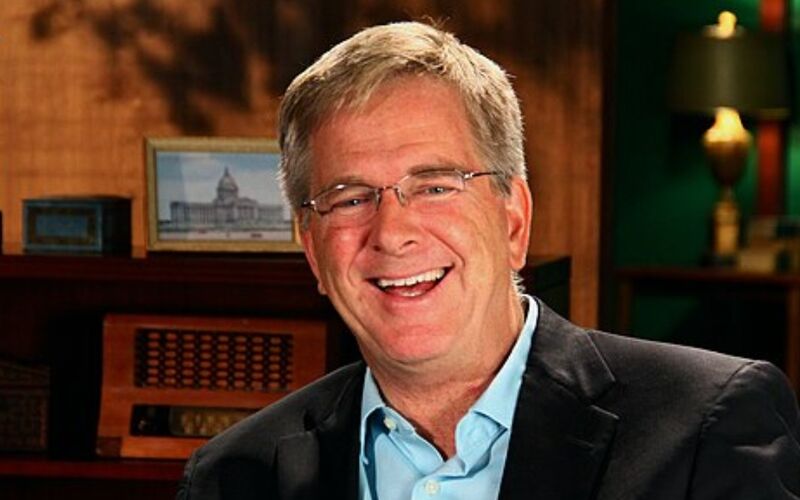
Rick Steves, the longtime travel writer and PBS host, says he is cancer free after surgery for prostate cancer. He credits routine surveillance for catching it in time.
Steves told Today.com that a blood test revealed a prostate-specific antigen (PSA) level of 55, which is well above normal range. His doctor urged further testing, which led to his diagnosis.
“He called me two days later and said, ‘You’ve got a serious problem. You’ve got a PSA of 55 and you’ve got prostate cancer,’” Steves said. “It was all hands on deck to change over to: How are we going to address that prostate?”
Steves chose to have his prostate removed in September 2024. Within months, his PSA dropped to undetectable levels. “After three months, I was just fine,” he said. “The doctor said you can consider yourself cancer free. That’s the good news.”
Why Screenings Matter
Jingsong Zhang, MD, PhD, a medical oncologist and interim vice chair of the Genitourinary Oncology Department at Moffitt Cancer Center, said this is a reminder why men shouldn’t skip regular checkups.

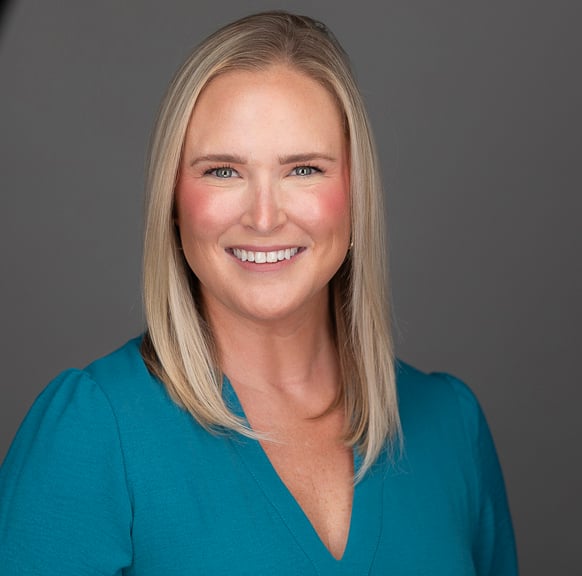
Jingsong Zhang, MD, PhD
“Cancer is an aging disease. When people start to live longer, the incidence of cancer will go up. This is particularly true for prostate cancer,” Zhang said.
He added that screening decisions should start with an open conversation with your health care provider.
“This is really a discussion with your family doctor,” Zhang said. “If there is uncertainty, patients should be referred to a urologist.”
The Bigger Picture
According to the American Cancer Society, 1 in 8 men will be diagnosed with prostate cancer during his lifetime. More than 313,000 cases are expected to be diagnosed in 2025.
-

313,000+
Men Will Be Diagnosed With Prostate Cancer In 2025
-

1 in 8
Men Will Be Diagnosed With Prostate Cancer During Their Lifetime
Steves urges other men not to shy away from talking about the disease. “Talk about it. Say the word prostate cancer. Demystify it. That’s really important so that people can be comfortable talking about something a lot of people think is private,” he said.