Study Finds Plant-Based Diets Linked to Lower Overall Cancer Risk, With Some Exceptions
A new study published in the British Journal of Cancer suggests that people who follow plant-based diets may have a slightly lower overall risk of developing cancer compared with people who regularly eat meat. The findings add to a growing body of research looking at how long-term dietary patterns influence cancer risk.
Researchers combined data from several large prospective cohort studies that tracked cancer diagnoses among people who reported different dietary patterns, including meat-eaters, vegetarians and vegans. Overall, the study found that vegetarian diets were associated with a noticeable reduction in overall cancer risk compared with diets that included meat.
The study also identified some unexpected associations for specific cancer types. Vegetarians had a higher reported risk of esophageal squamous cell carcinoma, while vegans showed a higher risk of colorectal cancer. The researchers emphasize that these findings require further investigation and should be interpreted cautiously.
Why Plant-Based Diets May Influence Cancer Risk

Sylvia Crowder, PhD
Sylvia Crowder, PhD, a researcher at Moffitt Cancer Center who studies nutrition and cancer risk, says plant-based diets contain several features that could help explain the overall cancer-protective trend.
“Plant-based diets tend to be rich in fiber, antioxidants, vitamins, minerals and phytochemicals that help reduce inflammation, support healthy gut function and protect cells from DNA damage,” Crowder said. “They also tend to be lower in saturated fat and more nutrient dense, which can help maintain a healthier body weight, an important factor in cancer prevention.”
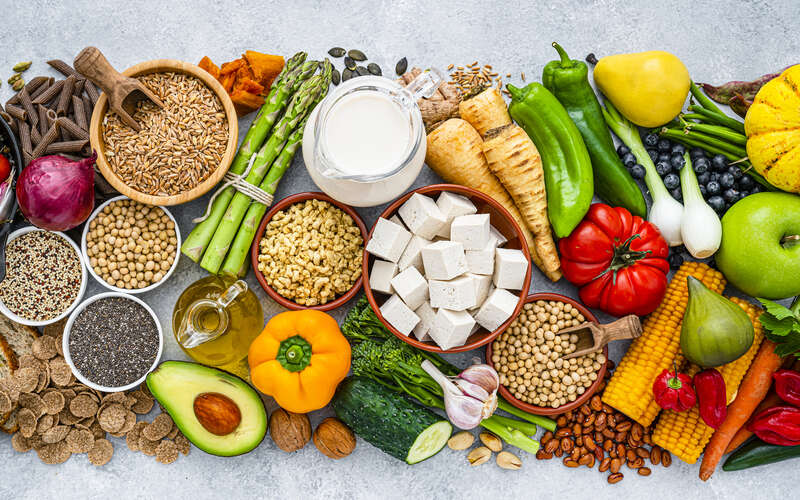
These biological mechanisms align with long-standing evidence linking diets rich in fruits, vegetables, whole grains and legumes with lower risks of several cancers.
Observational Studies Cannot Prove Cause and Effect
Crowder warns that the study’s design means it cannot determine whether diet directly caused the differences in cancer risk.
“The study is observational, meaning it can identify associations but cannot prove causation,” Crowder said. “Even with a very large sample size and long follow-up, people who choose vegetarian or vegan diets may differ from meat-eaters in other health-related behaviors such as smoking, alcohol use, physical activity or screening habits.”
Researchers attempt to adjust for these factors in statistical analyses, but it is impossible to account for every difference between groups.
“The findings support the idea that plant-based diets may reduce cancer risk, but they do not prove that switching diets will directly cause risk to fall,” Crowder said.
Surprising Findings Raise New Research Questions
The study’s cancer-specific findings also highlight how complex the relationship between diet and cancer can be. Esophageal squamous cell carcinoma is also strongly linked to smoking, alcohol use and certain nutritional deficiencies.
“One hypothesis is that some vegetarians may consume lower levels of specific micronutrients such as zinc or selenium that play roles in maintaining the integrity of the esophageal lining,” Crowder said. “Another possibility is that lifestyle or cultural factors not fully captured in the data differ between vegetarians and non-vegetarians in certain regions.”
The higher colorectal cancer risk reported among vegans may also reflect differences in nutrient intake or other lifestyle factors.
“Vegan diets can vary widely across and within populations and some may be low in calcium, vitamin D or B12, which are nutrients associated with colorectal cancer protection,” Crowder said. “Additionally, it is possible vegans in the included cohorts may have had different screening behaviors, which can influence detection rates.”
A Practical Takeaway
Despite these unanswered questions, the study reinforces broader dietary guidance supported by many cancer prevention experts.
“The most reliable takeaway is that a diet rich in whole plant foods, vegetables, fruits, legumes, whole grains, nuts and seeds appears beneficial, whether or not someone eliminates meat entirely,” Crowder said.
Researchers say future studies will be needed to better understand how specific dietary patterns, nutrients and lifestyle factors interact to influence cancer risk.