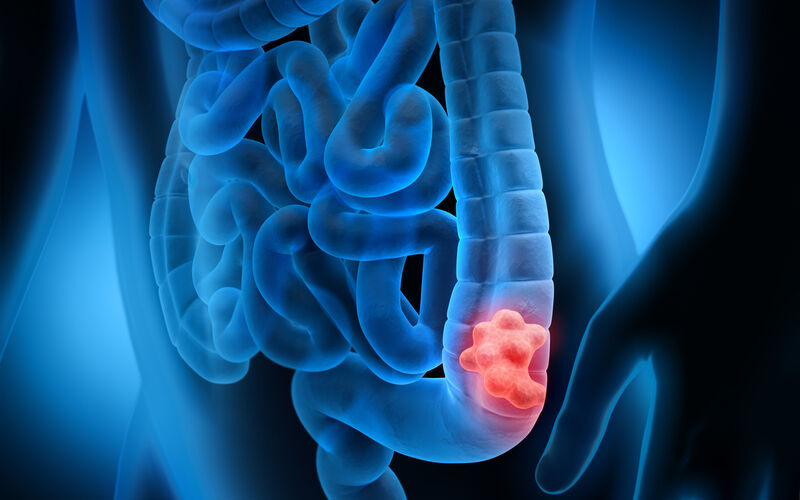

Study Links Ultraprocessed Foods to Colorectal Cancer
Throughout the years, the number of colorectal cancer cases in young adults has continued to rise.
A report from the American Cancer Society shows that one in five people diagnosed with colorectal cancer is under the age of 55. Tiago Biachi, MD, PhD, a gastrointestinal oncologist at Moffitt Cancer, says rates in young adults are expected to continue climbing.
“By 2030, colorectal cancer is projected to become the leading cause of cancer death for men under 50 and the second for women under 50, Biachi said.
Ultra Processed Foods
In a recent study published in JAMA, researchers analyzed how ultraprocessed foods could be contributing to colorectal cancer in younger women.

The study, consisting of around 30,000 women under the age of 50, found that women who consumed high levels of ultra-processed foods had a 45% higher risk of developing adenomas, a type of precancerous polyp that can form in the colon or rectum.
Once a polyp forms, it takes about 10 to 15 years to become cancerous.
“This study shows ultraprocessed foods as a modifiable risk factor in the rising incidence of early-onset colorectal cancer among younger women, likely through mechanisms like gut microbiome disruption and chronic inflammation,” Biachi said.
Other risk factors
According to Biachi, only 20% of colorectal cancer cases are due to an inherited syndrome such as Lynch syndrome.
“The remaining 80% are ‘sporadic’ and appear to be driven by a web of modern environmental, lifestyle, microbial, and early-life exposures,” he said.
Experts like Biachi are continuing to investigate additional risk factors linked to young -onset colorectal cancer.
“Meanwhile, it’s always important to never ignore red flags or abnormal symptoms,” he explained. “Common symptoms include rectal bleeding, anemia, bowel changes and weight loss.”