Study Links Ultraprocessed Foods to Higher Lung Cancer Risk
A new study published in Thorax suggests that people who consume more ultraprocessed foods may be at greater risk for developing lung cancer. While the study does not confirm a cause-and-effect relationship, it highlights a potential link that calls for further investigation.
A new study of 100k+ people over 12 yrs found those who eat the most ultra-processed foods had a 41% higher risk of #lungcancer - even after adjusting for smoking & diet quality.
— Lung Cancer Europe (@LungCancerEu) August 2, 2025
More research is needed, but the link can’t be ignored.
📄 https://t.co/f3QBIAeZCG#UPF #LCSM pic.twitter.com/oxAplDDqjr
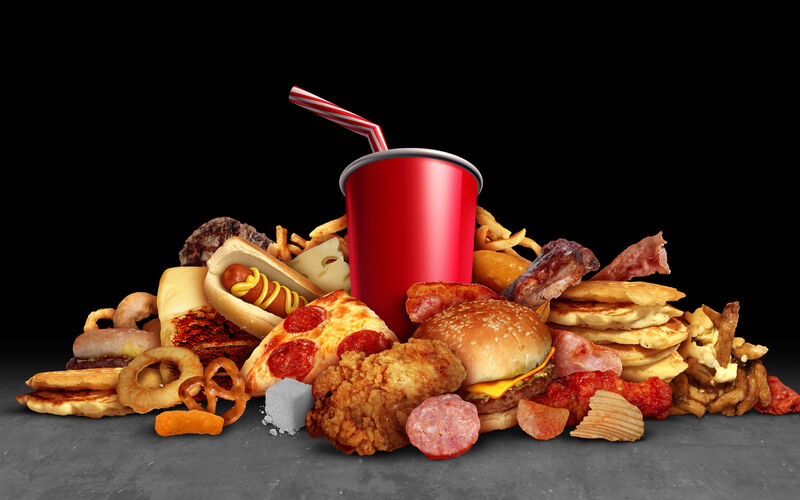
Ultraprocessed foods are industrially manufactured foods that typically undergo multiple processing steps and contain additives, preservatives and flavor enhancers. Common examples include lunch meats, packaged snacks, soft drinks, frozen meals and fast food.
The study looked at more than 100,000 adults ages 55 to 74 who were enrolled in the U.S. Prostate, Lung, Colorectal and Ovarian Cancer Screening Trial. Participants completed a detailed food frequency questionnaire and were followed for an average of 12 years. Over that period, more than 1,700 people were diagnosed with lung cancer.
After accounting for age, sex, smoking history, overall diet quality and other lifestyle factors, researchers found that participants with the highest intake of ultraprocessed foods were 41% more likely to be diagnosed with lung cancer than those with the lowest intake. The increased risk was seen in both major types of the disease: 37% higher for non-small cell lung cancer and 44% higher for small cell lung cancer.
Mounting Evidence
According to Matthew Schabath, PhD, an epidemiologist at Moffitt Cancer Center, the study contributes to a growing body of evidence suggesting poor diet may play a role in cancer development, including in the lungs.

Matthew Schabath, PhD
“Ultraprocessed foods are industrially manufactured products that contain additives, are often high in sugar, salt and unhealthy fats, and are low in fiber and essential nutrients,” Schabath said. “In a nutshell, they are practically the exact opposite of healthy dietary items such as fruits, vegetables, whole grains and lean proteins.”
While ultraprocessed foods are not currently classified as carcinogens, Schabath noted that both laboratory and epidemiological data support the possibility that they could increase cancer risk.
“Laboratory data has shown that components in ultraprocessed foods can alter gut microbiota, increase inflammation, cause DNA damage and modify DNA,” he said. “Moreover, diets high in ultraprocessed foods promote systemic inflammation and oxidative stress, both of which play roles in cancer development.”
Cause and Effect Not Proved
Still, Schabath emphasized that the study does not prove ultraprocessed foods cause lung cancer.
“There is limited epidemiological and laboratory data on the association between ultraprocessed foods and specifically lung cancer,” he said. “This study is one of the first cohort studies to reveal a potential link, but measuring dietary factors like ultraprocessed foods is notoriously difficult. These studies often rely on self-reported tools, such as food frequency questionnaires, which can introduce biases, misclassification and confounding factors.”
Eat Your Fruits and Veggies
Our innovative research kitchen is revolutionizing how we approach nutrition for cancer patients and survivors. With this kitchen, we can better understand the power of nutrition in cancer recovery. Each meal is more than just food- it’s medicine. 🔬🍎 @MoffittNews pic.twitter.com/6AjfLAS8gT
— Sylvia Crowder (@DrSylviaCrowder) March 19, 2025
Lung cancer remains the deadliest cancer worldwide, accounting for an estimated 1.8 million deaths in 2020. While smoking continues to be the leading risk factor, the authors of the study suggest that diet may also play a role in shaping cancer risk, especially as ultraprocessed food consumption continues to rise across the globe.
Schabath said the best course of action is still rooted in basic lifestyle principles.
“The old adage about eating your fruits and vegetables is still the best advice to reduce your risk of cancer and other chronic diseases such as heart disease,” he said. “Other important ways to reduce cancer risk include refraining from smoking, exercising regularly, maintaining a healthy weight, sleeping eight hours a night, drinking plenty of water, limiting alcohol, avoiding UV radiation and getting screened for cancer regularly.”