Teacher Spreads Awareness as Colorectal Cancer Cases Rise in Young Adults
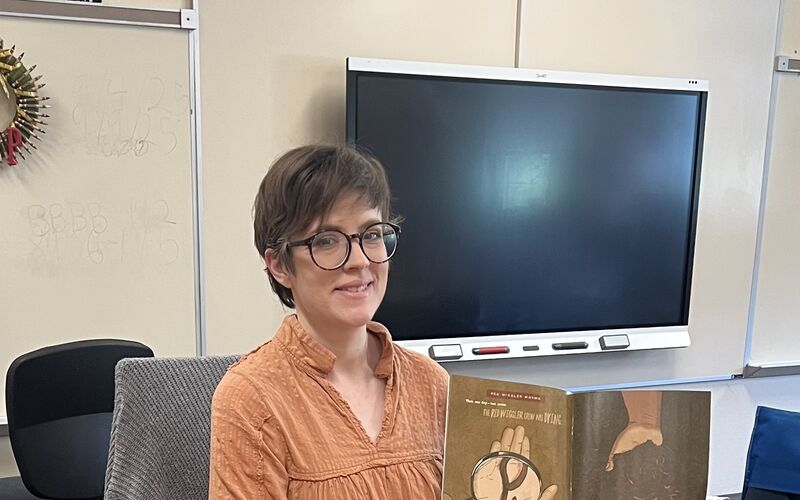
As a teacher, 34-year-old Christen Pedigo is used to leading lessons for her class. But she was at a loss when her unusual gastrointestinal symptoms were being brushed off.
She was young and healthy. But it turned out to be cancer.
Leading Up to the Diagnosis
“Before my official diagnosis, when I was having symptoms and I wasn’t being taken seriously, I felt like I was a student with a teacher who didn’t care about me,” Pedigo said.
Her symptoms included rapid weight loss, lethargy, lower back pain and occasional blood in her stool.
“I was told all of the symptoms I was having were likely IBS or something like Crohn’'s disease,” Pedigo said.
Misdiagnosis
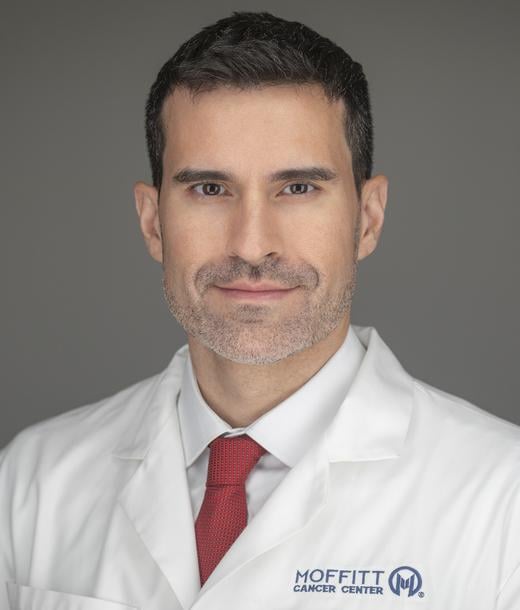
According to Tiago Biachi, MD, PhD, a gastrointestinal oncologist at Moffitt Cancer Center, younger adults are often misdiagnosed.
“The population in general, including doctors, believe that cancer is not possible if a patient is too young, and this is not true,” Biachi said. “They start considering other common causes for symptoms and generalizing. Any persistent symptoms like rectal bleeding or pain need to be investigated, regardless of a person’s age.”
It was a colonoscopy that revealed a large tumor in Pedigo’s lower rectum, which was confirmed to be stage 4 colorectal cancer.
In 2021, the recommended age to start colorectal cancer screening was lowered from 50 to 45 by the U.S. Preventive Services Task Force.
Cases on the Rise
When analyzing data from 2022, a study published in JAMA noted that among all early onset gastrointestinal cancer types (cancer diagnosed between the ages of 18 and 49), colorectal cancer was the most common.
“Around 15% of our colorectal patients are under 50 years old, not only here at Moffitt, but globally,” Biachi said.
Does Age Matter?
Biachi recommends a colonoscopy for those experiencing symptoms, regardless of age.
“It takes 10 years for a polyp in the colon to develop into cancer,” Biachi said. “It’s essential to be screened because then we have more time to treat the tumor if we catch it early.”
Treatment Journey
Following Pedigo’s colonoscopy and the discovery of her tumor, her treatment plan started with chemotherapy and radiation at another medical center.
Eventually, her tumor stopped responding to treatment. One of her doctors recommended that she visit Moffitt in hopes of finding an alternative treatment plan.
Pedigo is now being treated with immunotherapy under the care of Biachi. She has received her first round of treatment.
“You really have to be your biggest advocate when it comes to your health,” Pedigo said. “If you feel like a second opinion is warranted, you need to get it.”
Colorectal cancer screening is recommended to begin at age 45 for individuals considered to be at average risk. In some instances, individuals should start screening earlier if they have certain risk factors, including the following:
- Tobacco use
- Alcohol use
- Obesity
- Diabetes
- History of inflammatory bowel disease
- Specific genetic syndromes
- Family history of polyps or colon cancer