TIL Therapy Research Expanded to Bladder Cancer
Tumor-infiltrating lymphocyte, or TIL, therapy is an immunotherapy that uses the patient's own immune cells to fight cancers.
Last year, TIL therapy received approval from the U.S. Food and Drug Administration to treat patients with advanced melanoma.
For the first time, a study spearheaded by Michael Poch, MD, a senior member of the Genitourinary Oncology Department at Moffitt Cancer Center, is examining whether TIL therapy can be used to treat patients with non-muscle invasive bladder cancer.
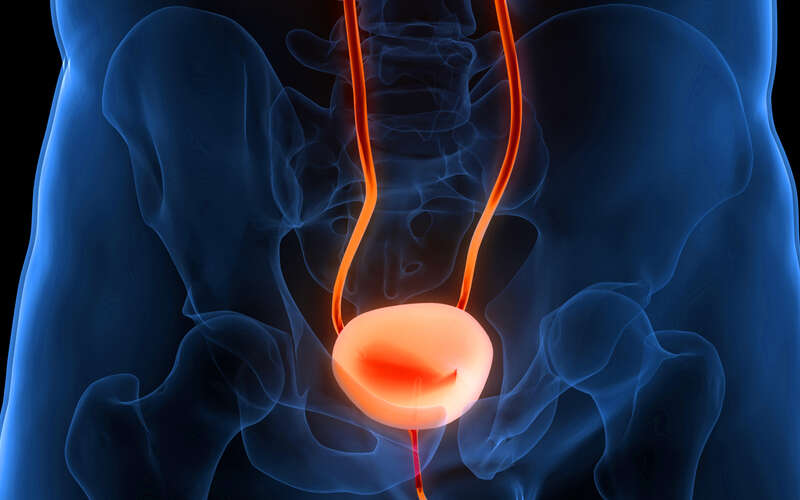
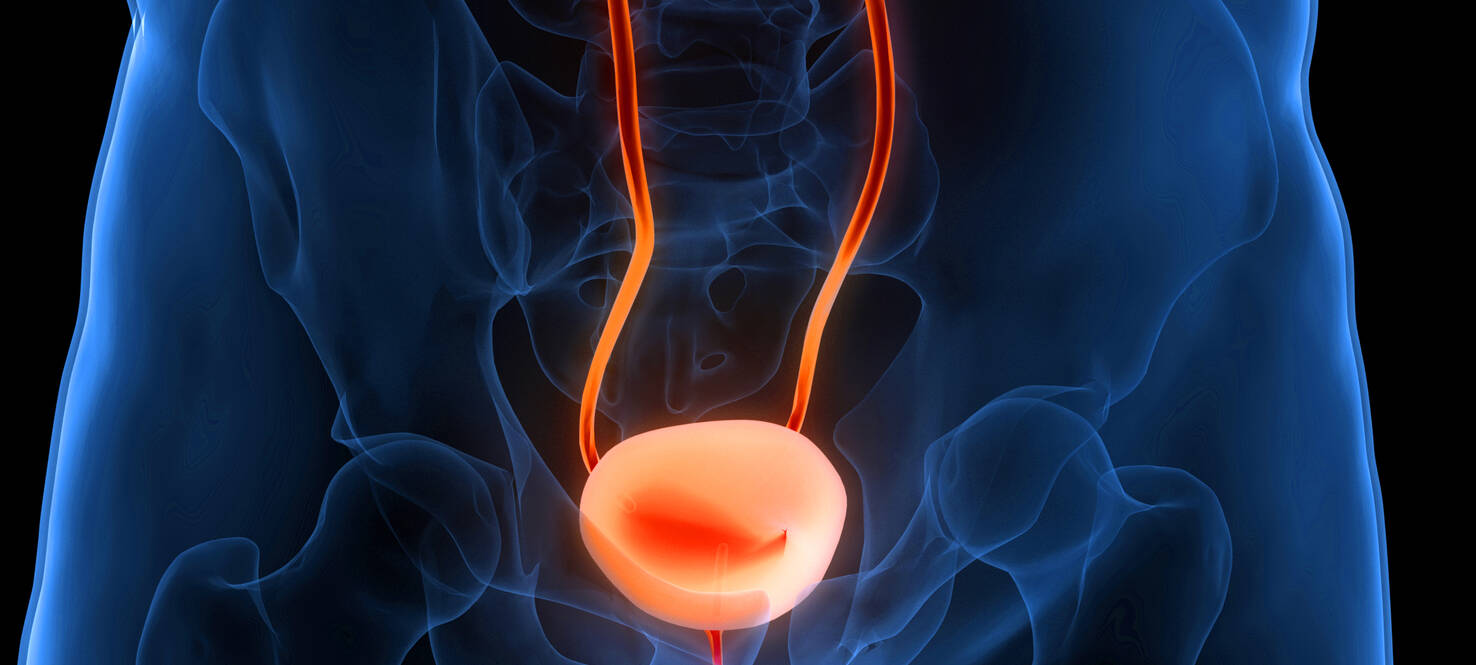
Most newly diagnosed bladder cancer cases are non-muscle invasive bladder cancer, which is characterized by cancer cells confined to the inner lining of the bladder. It makes up 70% of bladder cancers.

Although there are various treatment options available for the disease, some patients can become unresponsive to standard treatments.
“There is an unmet need for that patient population where really their only other option is clinical trials or a radical cystectomy, which is the full removal of the bladder,” said David Nusbaum, MD, a Moffitt clinical fellow who presented the study at the 2025 Society for Immunotherapy of Cancer annual meeting.
Patients enrolled in the phase 1 trial underwent a transurethral resection of bladder tumor, a minimally invasive surgery used to remove abnormal tissue from the bladder.
The next step involved isolating TILs from the patient’s tumor and expanding them in the lab. The TILs were then reinfused into the patient’s bladder through a catheter.
Three months after the initial treatment, patients underwent a surveillance cystoscopy to check for recurrence. The three-month complete response rate was 44%.
“The primary objective of this study was to determine the feasibility and safety of using this treatment for non-muscle invasive bladder cancer,” Nusbaum said. “All nine patients enrolled completed all four treatments and there were no serious adverse events.”
The study team has submitted a grant application to the Department of Defense to combine bladder TIL therapy with chemotherapy to boost responses and run a second clinical trial with maintenance therapy.