Understanding How Dormant Breast Cancer Cells Resist Treatment
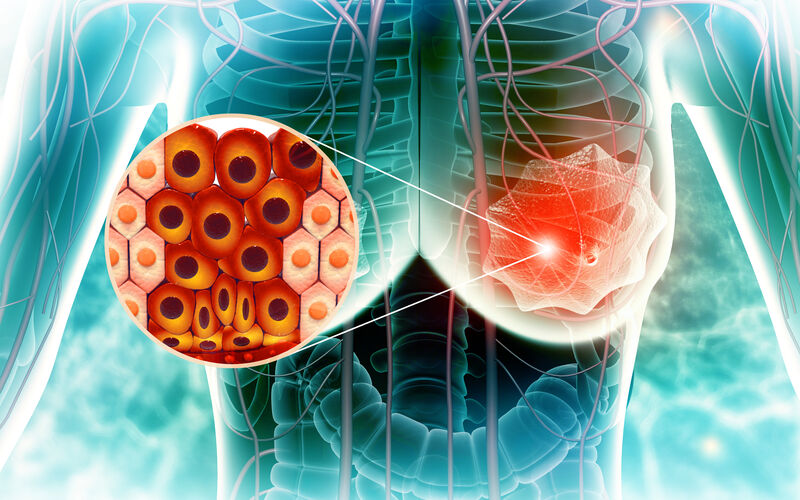
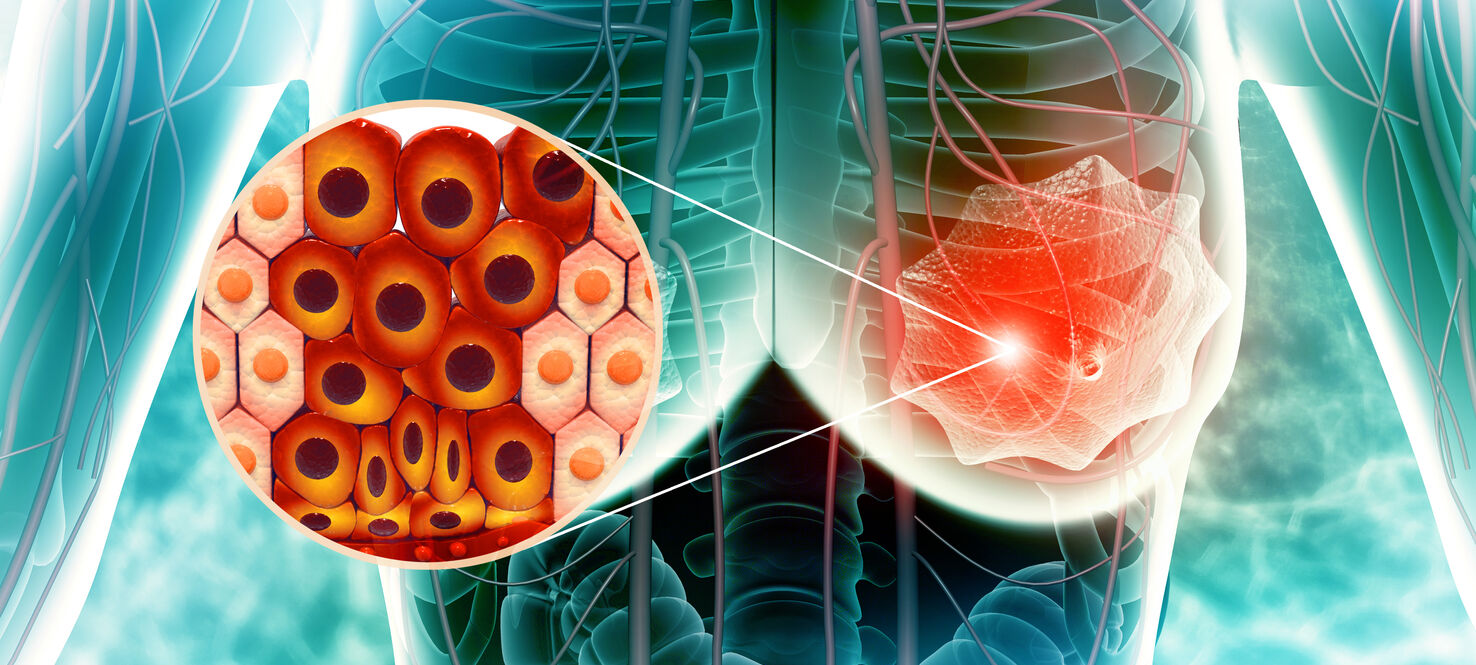
Metastatic recurrence in breast cancer can take place within months or years after removal of the primary tumor and initial treatment. While the goal of the treatment is to eliminate all cancer cells, in particular the ones that may have spread, certain cancer cells can go undetected and are able to withstand aggressive therapy such as chemotherapy.
These disseminated cancer cells can lodge and survive in secondary organs of patients without showing symptoms for an extended time, a phenomenon called breast cancer dormancy. Following years of dormancy, these cancer cells may once again begin to grow, multiply and form recurrent breast cancer in secondary organs like the bones, liver, lungs or brain.
Thordur Oskarsson, PhD, is a researcher in the Molecular Oncology Department and in the Cancer Biology and Evolution Program at Moffitt Cancer Center. He wants to know what makes these resilient cancer cells tick.
“We are interested in finding the vulnerabilities in dormant as well as actively growing metastasis, being conscious that these vulnerabilities are likely to be quite distinct,” Oskarsson said.

His work in the fight against metastatic breast cancer has earned him the 2024 Breast Cancer Alliance Exceptional Project Grant. The funding supports innovative and high-impact research projects aimed at advancing the prevention, diagnosis, treatment and understanding of breast cancer.
The goal of the project is to identify molecular weaknesses in dormant disseminated cancer cells and to make these cells more responsive to chemotherapy. Chemotherapeutic agents primarily target actively growing cells and are therefore unlikely to affect dormant cancer cells. The presence of residual cancer cells that are not dividing after therapy results in an increased risk of metastatic relapse that is difficult to treat. However, eliminating disseminated cancer cells may be a window of opportunity to prevent the spread of disease from developing in the first place.
The investigation is focused on the regulation of DNA repair and its importance in chemotherapy resistance of dormant breast cancer cells. Many chemotherapeutic drugs function by damaging DNA, so increased DNA repair may build resistance to these drugs.
The study will address the function of specific membrane-bound proteins called tetraspanins in disseminated cancer cells and their potential function in cellular responses to DNA damage. The long-term goal is to determine the potential of repressing tetraspanin-mediated DNA repair as a way to make dormant cancer cells responsive to chemotherapy treatment.
The Oskarsson laboratory also looks at the relationship between cancer cells that have spread and the microenvironment in secondary organs to determine how these interactions promote metastasis and resistance to therapy.
“It is becoming increasingly clear that the microenvironment plays a crucial role in determining malignant growth in secondary sites,” Oskarsson said. “It’s important to delineate the molecular communication between cancer cells and the near environment as this may reveal novel ways to interfere with these interactions and hopefully inhibit metastatic growth.”