
What Am I Drinking?
This story is part of a larger series on the top health trends and how they could impact cancer patients and their families.
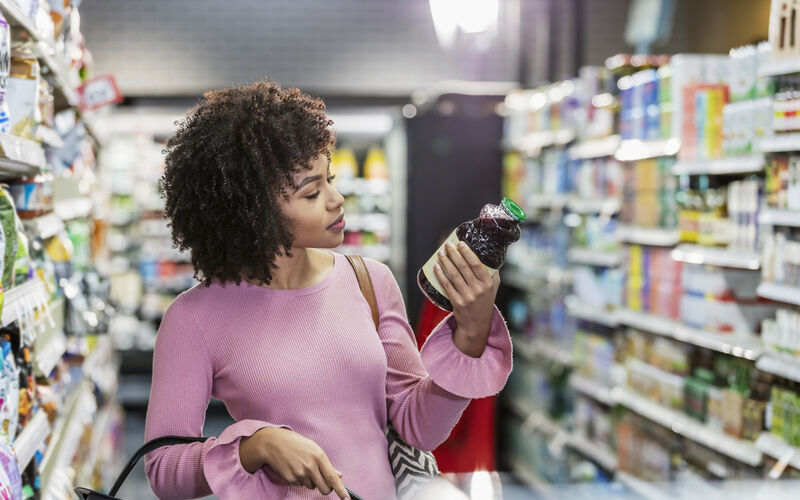
While it may be easy to track what’s what in the solid foods you’re eating, many people can overlook what they’re drinking. Beverages can be loaded with added sugars, caffeine and other unhealthy ingredients.

Christina Santiago, RDN
“When it comes to diet, it’s helpful to look at our overall pattern day to day because that is where a lot of added sugars pop up that we may not notice,” said Christina Santiago, a clinical dietitian at Moffitt Cancer Center. “The extra added sugars in drinks, creamers and levels of fat can contribute to extra calorie intake and weight gain, and certain cancers are influenced by high body weight.”
While water is always the best choice for hydration, many of us are still looking for our morning caffeine boost or a beverage with some extra flavor with lunch. Here are some tips on how to avoid the pitfalls of hidden sugars in what we drink.
Coffee
Ah, a hot cup of Joe. Whether it’s the morning pick-me-up from the caffeine or the comfort of holding a hot mug in your hands, coffee is a morning (and sometimes all day) staple for many. Coffee is rich in antioxidants and can improve energy and mood. Some studies show it is linked to a lower risk of stroke.
Coffee does come with some risks, mainly caffeine. Too much caffeine can cause anxiety, headaches and reflux. For cancer patients, caffeine can cause diarrhea or act as an appetite suppressant, which can stop them from hitting their nutritional needs.
Registered dietitians recommend drinking no more than 400 milligrams of caffeine a day, roughly equivalent to a 20-ounce Starbucks Pike Place roast.
While there are health benefits to the coffee itself, it’s what we put in it that can turn it into an unhealthy beverage. Try to skip the added sugar and creamers in large doses. Not only does this add unnecessary sugar and fats to the brew, but it also increases the chance of filling up on coffee instead of nutrient-rich solid food. Be wary of canned coffees because they come with high levels of added sugar.
Juice
Poking a straw through a juice box as a child or pouring a cold glass of juice at the breakfast table can be nostalgic. It’s made from fruit so it’s healthy, right? That’s not necessarily true.
If it’s 100% fruit juice, it can count as a serving of fruit for no more than half of your daily recommended fruit servings. If you can’t find 100% fruit juice, opt for diet or light juices to avoid high levels of unnecessary added sugar.
If you are looking for the extra flavor sugary juices offer, dilute it by adding 50% water to your glass. Same goes for sweet tea — switching to half sweet and half unsweet tea can make a big difference.
Soda
Sometimes it’s hard to deny the pop of the soda can top or crisp carbonation on a warm day. But the vice comes with added sugar and caffeine. Soda has some of the highest levels of added sugar, especially if you’re drinking multiple cans a day. The same thing goes for energy drinks.
Switching to carbonated flavored water is a better choice, but if you can’t kick the habit right away, you can replace a regular soda with a diet soda. While the artificial sweeteners in diet sodas also carry risks, there’s no evidence drinking a diet soda every so often increases your cancer risk.
Alcohol
Alcohol in moderation was thought to be good for your health. However, new studies are beginning to show a clear link between alcohol and a number of health problems, including cancer. This has prompted the U.S. surgeon general to call for a warning label on alcohol products.
Excessive levels of alcohol consumption increase the risk for six types of cancer: certain types of head and neck cancers; esophageal squamous cell carcinoma; and breast, colorectal, liver and stomach cancers.
According to a new report from the American Association for Cancer Research, 5.4% of cancers were attributed to alcohol consumption in 2019. Eliminating or limiting alcohol can reduce the risk of developing alcohol-related cancers by 8% and the risk of all cancers by 4%.
Make the Best Choice
When it comes to beverages, be mindful of your choice instead of just picking up your normal drink out of habit. It’s important to minimize added sugars in fluids because it can add up quickly and without you realizing.
Water is best, but if you need extra flavor, opt for naturally flavored waters, 100% fruit juice or diluted juice. Other good options are milk (regular or lactose free), protein drinks and electrolyte beverages.
You can also hit your recommended fluid intake with sugar-free gelatin, sugar-free popsicles and broths.