

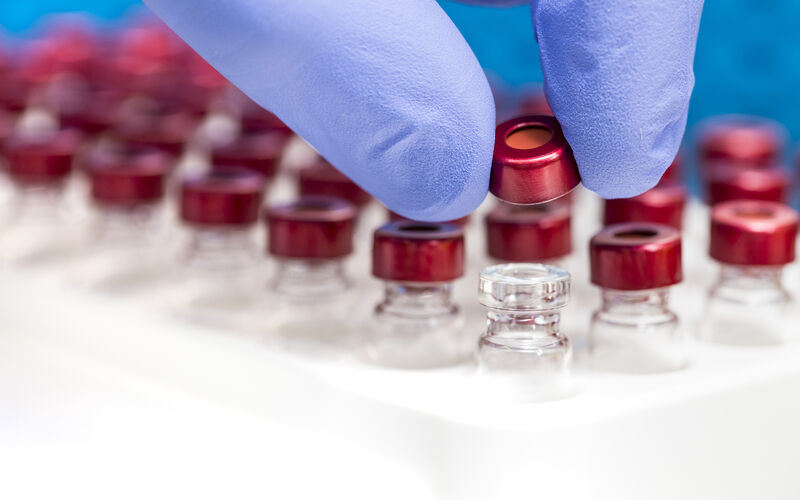

What is Translational Pathology?
By more efficiently bridging clinical expertise and the research tools readily available at Moffitt Cancer Center, clinicians can treat their patients based on the predictions uncovered through biomarkers found in tissue, blood and other specimens. This will improve patient outcomes and advance clinical research to enhance the treatments of future patients.
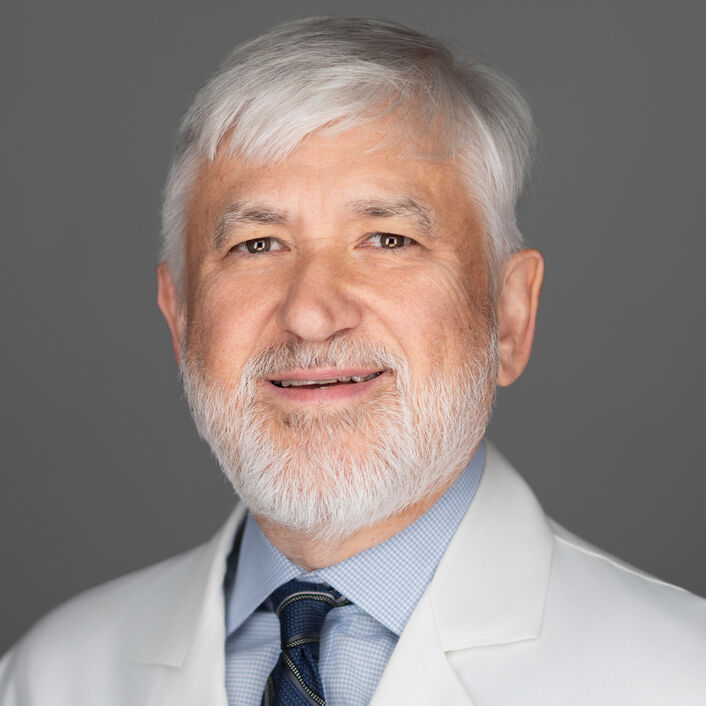
That’s the aim of Ignacio Wistuba, MD, chair of Moffitt’s new Translational Pathology Department.
Wistuba, a surgical and molecular pathologist, says his role is to merge the work between clinicians working at the bedside of cancer patients and the researchers working to find new and better treatments. “Translating” the research to clinical use is the key to more successful outcomes, he says.
“Translational pathology is using a specimen from a patient with cancer in the context of clinical cancer research and ultimately bring those discoveries to standard of care treatment,” Wistuba said. “Specimens allow us to investigate using research tools at the molecular level to investigate the potential mechanisms for a patient responding or not responding to therapies.”
Clinical research is most often used in patients with more advanced cancer diagnoses who have exhausted standard of care regimens. Using translational pathology would provide real-time research results to a larger pool of patients with all stages of the disease and from all tumor types, he says.
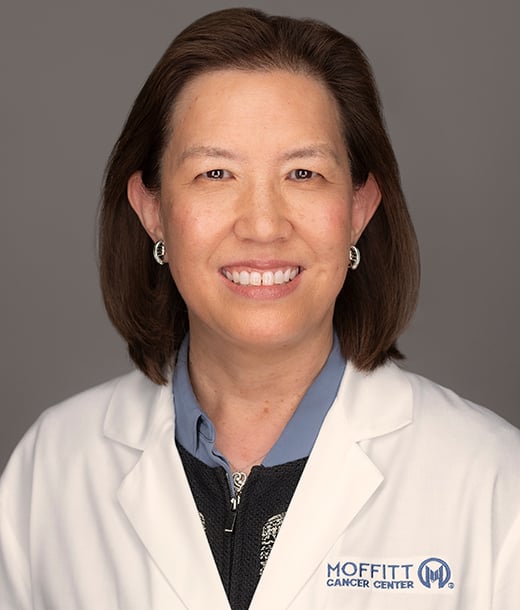
It also provides a valuable resource for young faculty, according to Karen Lu, MD, Moffitt’s physician in chief.
“This allows them to build robust biomarkers into clinical trials,” Lu said. “It also allows us to connect basic science to clinical trials in both directions.”
Wistuba says translational pathology also allows clinicians and researchers to investigate and understand why patients experience adverse effects from certain treatments. Moffitt is especially positioned for this new translational work.
“Of course, the big four – breast, lung, prostate and colon – get the biggest attention, but because of the magnitude of Moffitt’s patients across all tumor types, we have an additional responsibility to focus on those rare or less common cancers,” Wistuba said. “It’s very hard for many institutional programs to build a clinical research and translational team because there are too few patients. But Moffitt has higher numbers and can put focus here.”
Wistuba is a pathologist by training and has more than two decades of experience in translational research at MD Anderson Cancer Center in Houston, Texas, where he built a similar program as chair of the Department of Translational Pathology for over a decade. The key to success, he says, is identifying biomarkers at molecular, immunology or computational pathology levels, gathering information and using them in experimental therapy that can one day become standard of care.
While Moffitt clinicians and researchers already work closely together, the new Translational Pathology Department will streamline the process, bringing the two “sibling teams,” as Wistuba calls them, together to increase efficiency.
“This is an opportunity to bring more basic science to the questions while the clinical work is ongoing,” Wistuba said. “My peers will be heading the clinical programs as they treat patients with the standard of care while we work with tissues, specimens, blood or fluids to obtain valuable information in the context of clinical research.”
Research discoveries can happen at the beginning of the process through this department and deliver research results that can be applied to treatment earlier in the spectrum of a patient’s journey based on what biomarkers predict for that patient’s unique situation. In short, Wistuba and his team will bring more options to Moffitt patients when it comes to personalized cancer care.
“If you are a patient, I think this enhances those options for clinical teams to bring more novel therapies to you that are based on science,” Wistuba said. “Our department will bring more opportunities for clinical trials to the patient, and that’s part of the vision of Moffitt’s leadership team and I am honored to be a part of building this program.”
