
What You Need To Know Before Jumping on These 4 Diet Trends
Sylvia Crowder, PhD
This story is part of a larger series on the top health trends and how they could impact cancer patients and their families.
If you’ve ever been stuck in a doom scroll on social media, you may have found yourself lost in the dietary advice of Internet strangers. Which diets are effective? Which ones are bogus? Should you eat only cabbage for the next week?
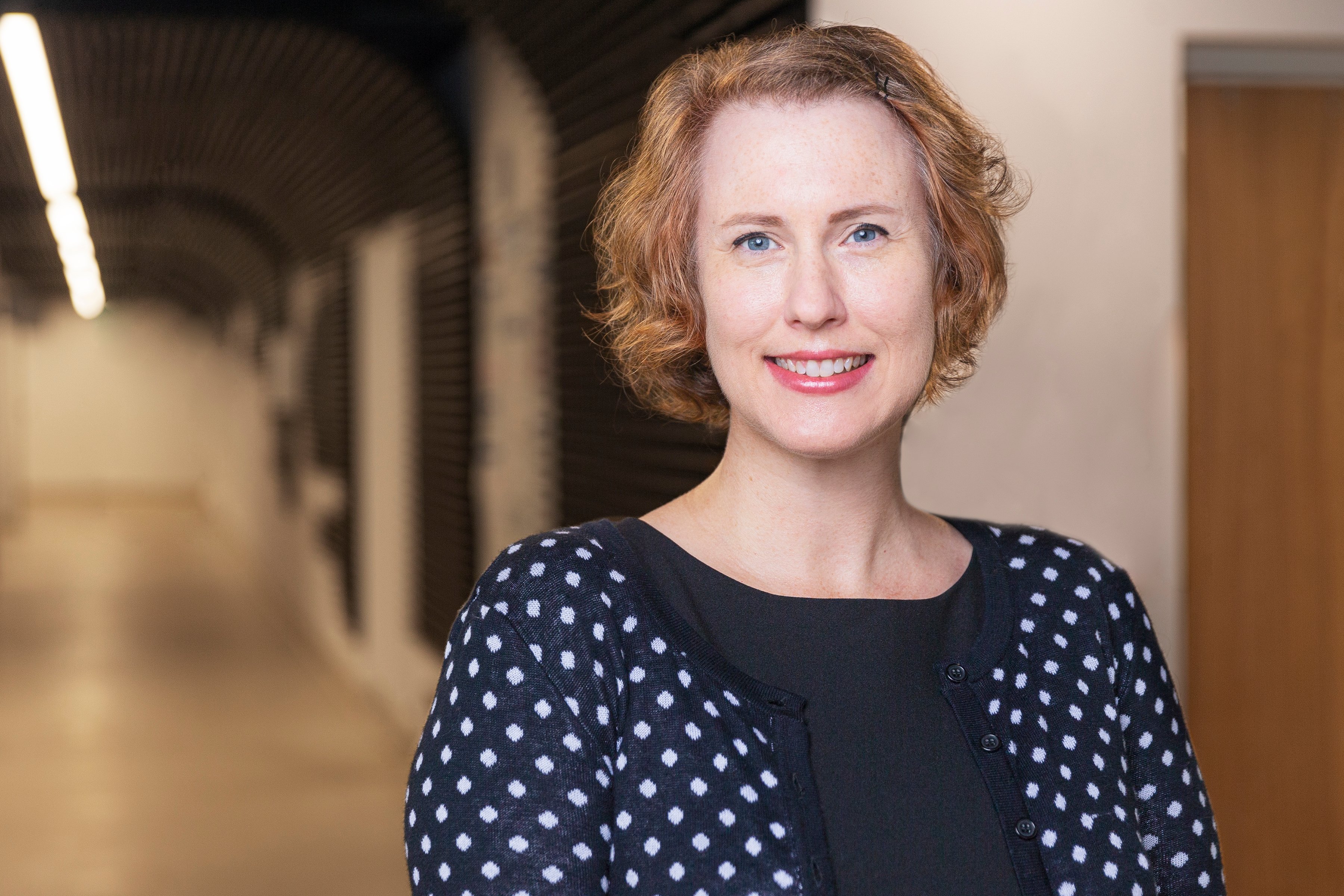
Food fads certainly come and go, but four particular diets will likely continue to pop up in your feed, so to speak. The Mediterranean diet, keto diet, intermittent fasting and plant-based diet have all proven to have substantial health benefits. However, each diet has its pros and cons, says Sylvia Crowder, PhD, a dietary and nutrition expert in Moffitt Cancer Center’s Department of Health Outcomes and Behavior. Here, she breaks down what you need to know before embarking on a new dietary lifestyle.
Mediterranean Diet
The Mediterranean diet is based on traditional ways of eating in countries such as Greece and Italy. The plant-based diet is chock full of whole grains, fruits, vegetables, fish, nuts and healthy oils. It aims to cut out red meats, processed foods and added sugars. In January 2025, the Mediterranean diet was ranked the best overall diet for the eighth year in a row by U.S. News and World Report.
Pros
- Linked to reduced risk of heart disease, stroke and diabetes
- Packed full of fruits, vegetables, whole grains and lean protein sources such as fish
- High in healthy fats like olive oil, nuts and seeds
- High in antioxidants, which can promote overall health and longevity
Cons
- Might not be suitable for everyone who needs to manage their caloric intake closely
- Easy for some people to overeat the healthy fats, which could ultimately lead to weight gain
- Requires access to fresh and high-quality foods, which can be expensive in some regions
What should you know before starting the Mediterranean diet?
Crowder: The Mediterranean diet is really focused on balance. It has a lot of healthy foods, but it still requires portion control. It is important to make gradual changes to adopt it, particularly if you are used to an animal-based diet or a diet high in processed food.
What should cancer patients know about the Mediterranean diet?
Crowder: Observational research suggests the Mediterranean diet can be very beneficial for cancer patients. It’s rich in anti-inflammatory foods, which can help reduce the risk of cancer recurrence, and it can help to prevent cancer. There’s a heavy emphasis on Omega 3 fatty acids from the fish, nuts and seeds in the diet, which can help prevent some treatment-related side effects and enhance quality of life.
At Moffitt, we’ve conducted research looking at observational outcomes of pretreatment consumption of the monounsaturated/saturated fat ratio recommended in the Mediterranean diet and its effect on cognition during chemotherapy. The research indicated higher adherence to the healthy fats of the Mediterranean diet was associated with less cancer-related cognitive decline early in chemotherapy.
Keto Diet
The ketogenic, or keto, diet is low in carbohydrates and high in protein and fats. The emphasis is on consuming a diet that is 70% to 75% fat, 15% to 20% protein and 5% to 10% carbs. The goal is to keep the body in a state of ketosis, where it burns fat for fuel instead of carbs.
Pros
- Promotes rapid weight loss
- Can improve insulin sensitivity, which could benefit people with diabetes or some types of metabolic syndromes
- Some reports of mental clarity and increased energy levels
Cons
- Restrictive and hard to sustain without diligent meal planning
- Risk of nutrient deficiencies due to long-term cutting of carbs
- Can cause heart disease if unhealthy fats are consumed in excess
- Can adversely affect people with pre-existing conditions such as kidney disease
What should you know before starting the keto diet?
Crowder: Transitioning onto the keto diet is very challenging. Some people experience what’s called the keto flu the first week or two. This can cause fatigue, nausea and headaches as your body switches over to that ketosis state.
To be successful with the keto diet in the long term, it’s important to meal plan in advance to ensure that you’re having a good nutritional balance. The diet can be difficult to sustain in social situations. If you’re going out to eat with friends or if a party is coming up, it can be challenging as keto-friendly foods may not always be available.
What should cancer patients know about the keto diet?
Crowder: There’s been a lot of emerging evidence and research that the keto diet could be beneficial for individuals who are undergoing immunotherapy. The ketosis could potentially enhance T-cell fitness. Cancer can use glucose as the primary fuel, so by restricting the primary fuel, it is possible to potentially slow down tumor growth.
Intermittent Fasting
The intermittent fasting diet involves setting specific windows of time when you eat and stretches of time when you fast. There’s no single definition for how to accomplish this diet. A popular starting point is breaking up the day into 12-hour blocks of time, for example where you eat only between 6:30 a.m. and 6:30 p.m. Some people limit their eating window further to 6 hours of the day and fast for the rest. Others eat only on certain days of the week and fast for the others.
Pros
- Associated with weight loss and improved metabolic health
- Linked to a reduced risk of chronic diseases
- Can help regulate insulin levels, which is thought to improve brain function, resulting in better focus and higher energy levels
Cons
- Struggles with hunger, depending on the fasting length
- Low energy levels, especially during adaptation to the diet
- Risk of overeating during the non-fasting windows, which could negate the benefits
- Can adversely affect people with health conditions such as diabetes, low blood pressure or eating disorders
What should you know before starting intermittent fasting?
Crowder: There’s not going to be a one-size-fits-all approach. It’s important to find a fasting schedule that fits into your lifestyle. You should start slowly and gradually to adjust to longer fasting windows. You also definitely want to stay hydrated and ensure that you’re taking in enough nutrients during the eating windows to avoid any potential deficiencies.
What should cancer patients know about intermittent fasting?
Crowder: There’s been some preliminary research that suggests that intermittent fasting could complement cancer treatments by enhancing the overall effectiveness of chemotherapy and reducing side effects. Another example is for someone who has prostate cancer, it’s important for them to have a full bladder but also be able to excrete their bowel prior to receiving treatment. So intermittent fasting could help ensure the bowels are empty during treatment, while hydrating ensures the bladder is full.
However, fasting impacts your energy levels, and cancer and treatment can also impact energy. So cancer patients should talk to their medical team to ensure it’s safe.
Plant-Based Diet
The plant-based diet is similar to the Mediterranean diet in that it focuses on vegetables, fruits, whole grains, legumes, nuts and seeds. It cuts out meat, animal byproducts and processed foods. Depending on how strictly you adhere to the diet, it may be considered vegetarian or vegan.
Pros
- Rich in fiber and antioxidants and phytochemicals
- Can reduce inflammation while improving health
- Associated with a lower risk of cancer, type 2 diabetes and high blood pressure
- Can support weight management
Cons
- Requires careful meal planning to ensure a balanced diet
- Could result in nutritional deficiencies, particularly B 12, iron, or omega 3 fatty acids or proteins that typically come from animal products
- Difficult adjustment for people who are used to consuming animal products and byproducts such as cheese, yogurt and eggs
What should you know before starting a plant-based diet?
Crowder: The transition is going to be the hardest. You really want to focus on variety and balance. You want to be sure that you’re consuming enough protein. Look at quinoa, beans, lentils and tofu to make sure you’re eating enough of them. Make sure you’re getting enough vitamins and minerals, and be mindful of the processed plant-based foods as those are often high in sugar, fats and sodium.
What should cancer patients know before starting a plant-based diet?
Crowder: A plant-based diet can be beneficial for cancer patients because it’s rich in cancer-fighting nutrients and antioxidants. It can also help support digestive health because typically a plant-based diet is high in fiber. However, if you’re going through treatment, you might need to modify this diet based on your specific nutritional needs, especially if you’re struggling with reduced appetite or if you have difficulty absorbing certain nutrients. It might be important to take a multivitamin supplement to ensure you’re getting enough nutrients.
Before You Take the Plunge
If you’re already to the point of researching which diet is best for you, it can be tempting to choose one and jump right in. But Crowder urges one final step to make the best choice:
“For cancer patients, in particular, they need to work with a dietitian to ensure that they’re getting all the nutrients that they need during treatment before just transitioning to a diet. For the general healthy population, I would always recommend talking to a medical provider just to be safe.”