
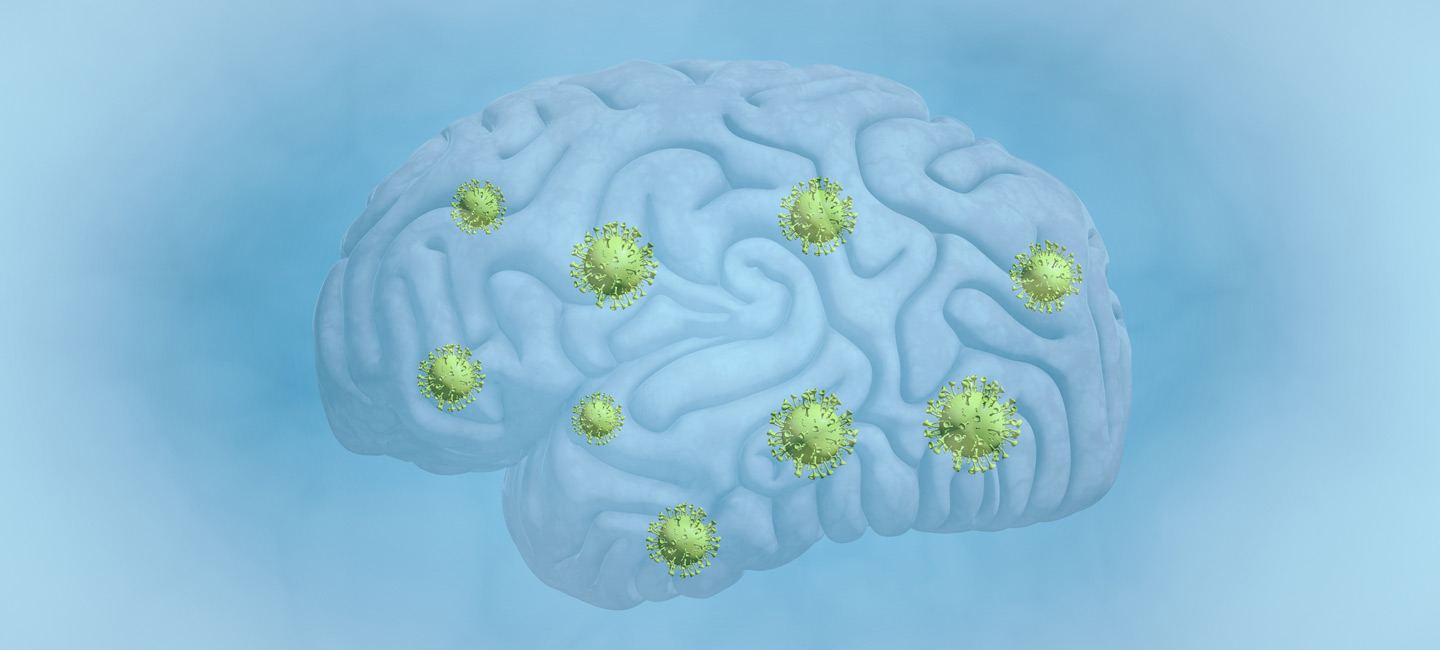
A Primary Care Guide to Early Intervention For Brain Masses
Primary care providers (PCPs) are often the first to encounter patients with subtle neurological symptoms. While cancer may not always be top of mind in your daily practice, recognizing the warning signs of a potential brain mass requires clinical vigilance that can significantly impact treatment outcomes.
When neurological complaints or concerning imaging findings emerge during routine visits, your prompt assessment and referral decisions become critical. Early detection for brain masses—both benign and malignant—opens more treatment options and improves patient prognosis. Mofitt's experts can see your patients for a surgical consultation within one week.
Here’s a comprehensive guide to identifying red flag symptoms, navigating the diagnostic process, and partnering with Moffitt Cancer Center for comprehensive patient care.
The Critical Role of Primary Care in Early Detection
Primary care physicians are the frontline defense in identifying potential brain masses before they progress to more advanced stages. As the initial entry point into the healthcare system, primary care physicians play a crucial role in early detection and intervention when brain tumors are discovered, which can make the difference between successful treatment and limited options.
Primary care providers should look out for these early warning signs that may indicate the presence of a brain mass:
- Headaches: These may present as persistent or worsening head pain or pressure, especially in the morning, and could be accompanied by nausea and vomiting unrelated to digestive issues
- Seizures: New-onset seizures or changes in existing seizure patterns
- Cognitive Changes: Watch for mental confusion, memory loss, impaired concentration, or difficulty following simple commands
- Neurobehavioral Symptoms: Unexplained changes in mood, personality, or behavior
- Motor Skills Impairment: Weakness or numbness in limbs, loss of balance, coordination problems, or difficulty walking could indicate pressure on motor regions of the brain
- Vision Changes: Blurred vision, double vision, or loss of peripheral vision may result from pressure on visual pathways
- Speech Difficulties: Trouble speaking, slurred speech, or language problems
- Sensory Changes: Numbness and tingling in specific body parts
When primary care physicians encounter patients exhibiting these symptoms, taking prompt action is essential:
- Comprehensive Assessment: Conduct a thorough neurological examination to document specific deficits and establish a baseline.
- Immediate Imaging and Referral: If you have concerns about a patient’s neurological symptoms, promptly order neuroimaging (a CT or MRI). If this imaging reveals a brain mass, you can immediately refer them to an expert at Moffitt for further testing and examination. When it comes to brain mass or neurological symptoms, it’s best not to take chances, whether a malignancy is suspected or not. Patients don’t need a confirmed malignancy to come to Moffitt. Early referral to Moffitt’s team of experts ensures patients receive comprehensive care from experts in brain tumors.
- Patient Education and Psychological Support: Concurrent with further treatment, resources specific to the medical condition, as well as patient needs and preferences, should be shared with patients and their families to reduce uncertainty and stress and allow them to cope with the diagnosis. Appropriate support should also be provided for mental health.
Initial Imaging & Treatment Paths
When a patient presents with neurological symptoms suggesting a brain mass, establishing an accurate diagnosis requires a strategic, complex approach.
It usually begins with a neurological examination to assess vision, hearing, balance, cognitive function, coordination, strength, and reflexes to pinpoint specific deficits. These deficits provide crucial clues about which brain regions may be affected.
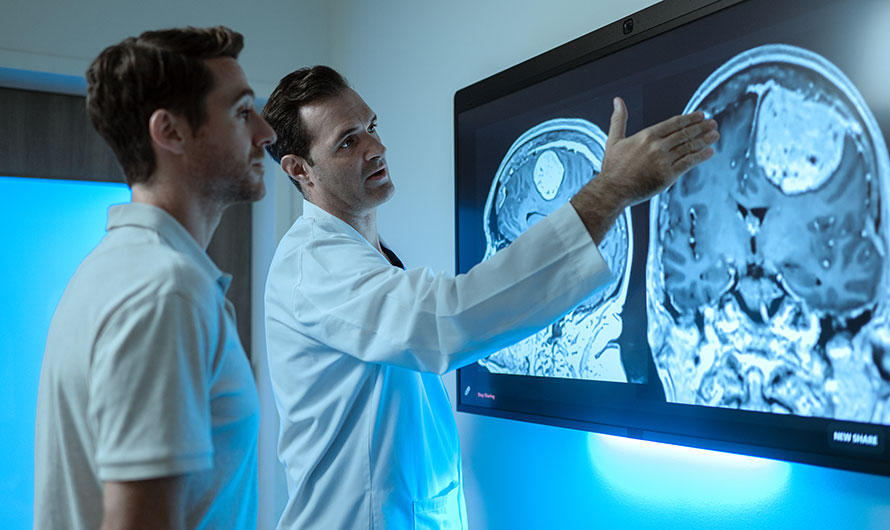
Following the exam, advanced imaging scans such as MRI or CT form the cornerstone of brain mass diagnosis.
Definitive diagnosis usually requires microscopic tissue analysis. For brain tumors, tissue biopsies are typically obtained during surgical removal rather than as a separate procedure, though stereotactic needle biopsies may be performed for deep or inaccessible tumors. The samples are then examined under a microscope by a pathologist, who can identify tumor cells.
Advanced techniques such as molecular and genetic analysis of the tumor cells are utilized in most cases to guide treatment decisions.
Specific tests used to diagnose a brain tumor vary from patient to patient, depending on the tumor’s location and characteristics.
Treating Malignant vs. Benign Brain Tumors
Not all brain tumors are malignant. While most benign tumors are slow-growing and don’t invade surrounding tissue or spread to other areas, they can still be life-threatening or threaten neurological functioning if they compress brain tissue or critical structures. Benign tumor treatment is like that of a malignant tumor, typically involving surgical resection and radiation therapy, with chemotherapy used less frequently. Small, asymptomatic tumors may simply be monitored with periodic MRIs.
Malignant brain tumors require more aggressive treatment to remove as much of the tumor as possible, typically through surgery followed by the destruction of remaining cancer cells through radiation, chemotherapy, or other targeted approaches. The goal is to maximize tumor control while preserving neurological function and quality of life.
Brain tumor treatment is highly personalized. Treatment decisions consider tumor type, size, grade, location, patient age, overall health, and treatment goals. Moffitt’s multidisciplinary team develops customized treatment plans that may incorporate multiple approaches and advanced treatment modalities. Throughout the treatment journey, supportive care and symptom management remain essential. This comprehensive and individualized approach ensures each patient receives the most appropriate treatment for their specific situation.
Moffitt’s Advanced Brain Tumor Care
When primary care providers and their patients face the complexity of a brain tumor diagnosis, Moffitt Cancer Center offers unparalleled expertise through our Neuro-Oncology Program. Our multidisciplinary team includes neuro-oncology specialists, including neurosurgeons, medical neuro-oncologists, and neurologists, with extensive experience treating rare, aggressive, and difficult-to-access brain tumors. We utilize this depth of expertise to develop personalized treatment strategies for each patient.
Our leading-edge brain tumor treatment options include precision radiation techniques, such as stereotactic radiosurgery, which delivers highly focused radiation to target tumors with millimeter accuracy. This specialized approach can be used for tumors in sensitive locations while minimizing exposure to surrounding healthy brain tissue. Additionally, we offer several minimally invasive surgical approaches, including neuro-endoscopy, where our surgeons access and treat tumors through small incisions with specialized equipment. Compared to traditional open surgery, these techniques result in smaller incisions, reduced trauma, and faster patient recovery.
Our participation in innovative clinical trials is a cornerstone of Moffitt’s brain tumor program. As a National Cancer Institute-designated Comprehensive Cancer Center, we offer access to groundbreaking therapies before they become widely available elsewhere. These trials investigate novel surgical techniques, targeted drugs, immunotherapies, and combination approaches that may provide new hope.
Moffitt's reputation is built on our multidisciplinary approach. Each case is reviewed by our weekly neuro tumor board, which comprises specialists across all neuro-oncology disciplines. This collaborative model ensures individualized treatment plans while our team provides compassionate care, addressing both physical and emotional needs.
Primary care providers are essential partners in early detection—by referring patients to Moffitt, you connect them with an NCI-designated center that consistently achieves superior survival rates, up to four times higher than national averages.
Timely evaluation and care are crucial for patients with a potential brain or spine tumor. To ensure patients receive prompt care, our neurosurgical team offers surgical consultation within one week of referral for patients with a confirmed or suspected brain or spinal tumor. Refer your patient by completing the online form or contact a physician liaison for assistance or support.