Lymphovenous Bypass: A Game-Changer For Breast Cancer Surgery
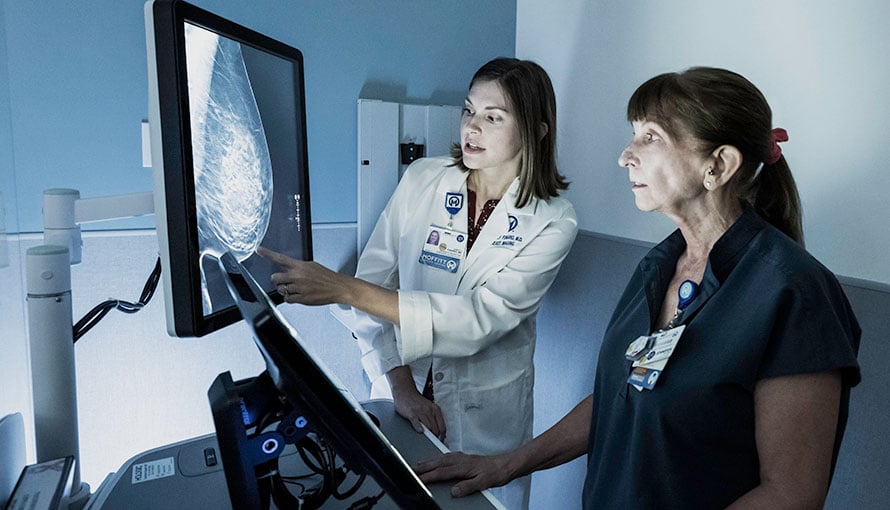
Breast cancer surgery is a standard and crucial component of care, with the vast majority of breast cancer patients undergoing a lumpectomy or mastectomy as part of their treatment plan.
During this surgery to remove the cancer, nearby sentinel and axillary lymph nodes may also be removed to determine if the cancer has spread that far. However, because these lymph nodes are responsible for draining lymph fluid, their removal can trigger the development of lymphedema in about 44% of patients.
Lymphedema is caused by fluid build-up. It leads to painful arm swelling, heaviness, fullness and limited movement, reducing quality of life.
Lymphedema treatment has historically included therapeutic options like compressive therapy and manual lymphatic drainage, but innovations in breast cancer surgery have helped reduce the unnecessary removal of lymph nodes and, thus, reduced the risk of developing lymphedema. One example is sentinel node biopsy. Studies have shown that if the first node where breast cancer is most likely to spread (the sentinel node) has no signs of cancer, the risk of other nodes containing cancer is minimal, allowing them to remain in the body and promote proper fluid draining.
Lymphovenous bypass surgery has been another critical development that Moffitt is proud to offer to breast cancer patients undergoing lumpectomy or mastectomy with lymph node removal.
-

44% of patients
develop lymphedema after their lymph nodes are removed
-

2016
year that Moffitt's Multidisciplinary Lymphedema Clinic was established
Milestone Breakthrough Treatment: Lymphovenous Bypass Surgery
The lymphovenous bypass technique can help prevent cancer-related lymphedema by improving lymphatic draining and alleviating symptoms such as swelling, heaviness, and tenderness. During breast cancer surgery that requires the removal of the lymph nodes, Moffitt’s surgeons can perform a highly specialized microvascular procedure to identify lymphatic channels and preserve them, reconnecting them to outflowing veins after lymph node removal to prevent fluid collection in the extremities.
“Even if someone needs their nodes removed, we can now map the lymphatics from the arm to bypass them to avoid the potential of the arm swelling, “ says Dr. Brian Czerniecki, Chair of the Breast Oncology Program at Moffitt.
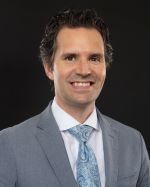
Dr. Nicholas Panetta
This preventative microsurgical technique is best performed on patients who require axillary dissection during breast surgery, as it can help reduce the risk of lymphedema from 44% to 7%. While this timing is important, Moffitt’s Dr. Nicholas Panetta, a plastic surgeon in Moffitt’s Reconstructive Oncology department, notes that Moffitt surgeons can also help breast cancer patients currently suffering from lymphedema by performing this procedure after a lumpectomy or mastectomy. Moffitt’s multidisciplinary approach to handling each patient’s unique case, including its team of experts sub-specialty-trained in breast and reconstructive surgery, ensures patients have access to the treatments that provide the best possible outcomes.
Florida’s Home for Comprehensive Breast Cancer Care
As an NCI-designated Cancer Center, Moffitt is among the few institutions in the U.S. offering this leading-edge surgery. Moffitt’s Multidisciplinary Lymphedema Clinic was established in 2016, so for nearly nine years, we have performed the various advanced microsurgical interventions that make up our comprehensive lymphedema surgical program. In addition to performing an average of three to five lymphovenous bypass surgeries each week for about six years, our surgeons also utilize vascularized lymph node transfer and suction-assisted lipectomy to provide patients with an arsenal against breast cancer-related lymphedema.
“We are working to continue to evolve the lymphovenous bypass technique to prevent this from happening altogether, and so far, we are having very good results,” says Dr. Panetta.
Beyond lymphedema care, Moffitt Cancer Center leads the way in other groundbreaking surgical advancements for breast cancer patients. Our team employs SCOUT® Radar Localization for superior tumor targeting with enhanced precision and margin control. We also utilize SmartClip® technology for 3D tumor targeting, allowing smaller, more cosmetically favorable incisions. Additionally, our surgeons specialize in oncoplastic surgery, integrating aesthetic techniques with breast conservation and mastectomy procedures. These advanced approaches assure patients that Moffitt is the preferred destination for improved breast cancer treatment outcomes and quality of life.
If you have breast cancer patients who require lymph node removal, we welcome the opportunity to collaborate and determine whether lymphovenous bypass surgery would be an effective option at the time of axillary dissection to prevent lymphedema.
Moffitt can also evaluate breast cancer patients who have been treated elsewhere, offering a personalized treatment plan of non-surgical therapies, surgeries, or screening measurements to detect lymphedema early for the best control and outcomes.
To refer a patient, complete our online form or contact our physician liaison. Together, we can ensure that more patients benefit from the latest advancements in breast cancer care.