New FDA-Approved alloHSCT Options for AML Patients Now Available at Moffitt Cancer Center
Acute myeloid leukemia (AML) remains one of the most aggressive forms of blood cancer, often requiring a complex, multi-phase treatment approach that includes chemotherapy, targeted therapy, and in many cases, allogeneic hematopoietic stem cell transplantation (alloHSCT). Transplantation is often the most effective curative option, but for older patients or those with multiple comorbidities, the conditioning regimens needed to prepare the body can carry significant toxicity and treatment-related mortality.
The FDA recently approved treosulfan combined with fludarabine as a preparative regimen for alloHSCT. This new treatment is associated with low toxicity and treatment-related mortality, maintaining anti-leukemic efficacy while reducing relapse risk. Moffitt Cancer Center is proud to be among the first centers in the nation to offer this option and create new opportunities for vulnerable patient groups to access curative stem cell transplants.
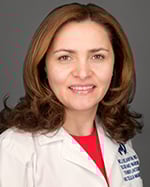
This recent FDA approval is more than an addition to our therapeutic arsenal; it reflects Moffitt’s leadership in advancing cancer care. Dr. Nelli Bejanyan, our Blood and Marrow Transplant and Cellular Immunotherapy (BMT CI) Program Leader, served on the advisory board that helped guide this approval shared “we now have a treosulfan based conditioning regimen available for older patients and those with comorbidities that results in lower risk of regimen-related mortality without increasing the risk of leukemia recurrence after stem cell transplantation. Thus, yielding higher rates of cure from acute leukemia or myelodysplastic syndromes.”
Current Standard of Care
AML treatment typically begins with combination chemotherapy, delivered in two key phases: remission induction and consolidation. Induction therapy aims to eliminate as many leukemia cells as possible to achieve complete remission. This phase is often intensive, requiring hospitalization and supportive care such as transfusions and antibiotics to manage side effects. A bone marrow biopsy is performed after the initial round to assess response, and additional chemotherapy may be required if leukemia cells persist.
Once remission is achieved, consolidation therapy is used to prevent relapse. This can involve multiple cycles of chemotherapy, targeted therapy, or, for eligible patients, a stem cell transplant —currently the most effective curative option. Conditioning regimens, which prepare the body for transplant, are critical to this phase. Historically, these have included high-intensity chemotherapy agents like busulfan, which are effective but come with significant toxicity, particularly in older patients or those with comorbidities.
While this approach has improved outcomes for many, traditional transplant conditioning regimens have excluded a substantial group of patients due to the high risk of organ toxicity and treatment-related mortality.
An Important Advancement for a Vulnerable Population
In January 2025, the FDA approved the treosulfan-fludarabine conditioning regimen. This drug, which has been approved and used in Europe for several years, provides a lower-toxicity option for vulnerable populations.
Clinical trials show this combination significantly reduces the risk of regimen-related mortality while maintaining strong anti-leukemic efficacy after stem cell transplantation, thus yielding higher rates of cure from AML or myelodysplastic syndromes. For patients aged 50 and older or those with a hematopoietic cell transplantation comorbidity index (HCTCI) score > 2, this means expanded access to curative treatment previously considered too risky.
In one major study, the two-year overall survival probability of patients who underwent an HSCT after a regimen of fludarabine and treosulfan was 83.05%, with a progression-free survival of 70.49%. Non-relapse mortality was an impressively low 2.25%. Treosulfan's favorable safety profile is marked by lower liver toxicity and the added convenience of not requiring drug level monitoring. Post-transplant outcomes also showed rapid and durable engraftment of hematopoietic cells.
Clinical Impact and Practical Benefits
This conditioning regimen is effective and cost-efficient. Compared to busulfan-based regimens, treosulfan-fludarabine conditioning reduces hospitalization risks and associated costs, making it an attractive option from both clinical and economic perspectives.
Moffitt’s addition of this protocol allows hematologic oncologists, bone marrow transplant experts, or medical oncologists to refer patients with AML or MDS who may have previously been ineligible for transplant. Adults aged 18–70 and older with AML or MDS, Karnofsky Performance Status ≥ 60%, and age ≥50 years or hematopoietic cell transplantation comorbidity index [HCTCI] score > 2.
Why Moffitt
Moffitt’s nationally renowned Blood and Marrow Transplant and Cellular Immunotherapy (BMT CI) Program at Moffitt is the largest and most active program in the Southeast. To date, we’ve performed nearly 10,000 HCTs and 2,000 ACTs. Our BMT CI Program is the first in the world to have treated over 1500 patients with CAR T therapy. And, we are pioneering the next generation CAR Ts and TILs to harness the immune system's power.
We are committed to delivering comprehensive, personalized care for every patient. As a National Cancer Institute-designated Comprehensive Cancer Center, we are not only treating today’s cancers but shaping the treatment in the future.
Referring your AML or MDS patients to Moffitt means giving them access to the best treatment options, as we are pushing the boundaries of what’s possible in cancer care. With this new conditioning regimen available, we offer hope and viable treatment pathways to patients with previously limited options.
To refer a patient to Moffitt, complete our online form or contact a physician liaison for assistance. As part of our efforts to shorten referral times as much as possible, online referrals are normally responded to within 24 - 48 hours.