
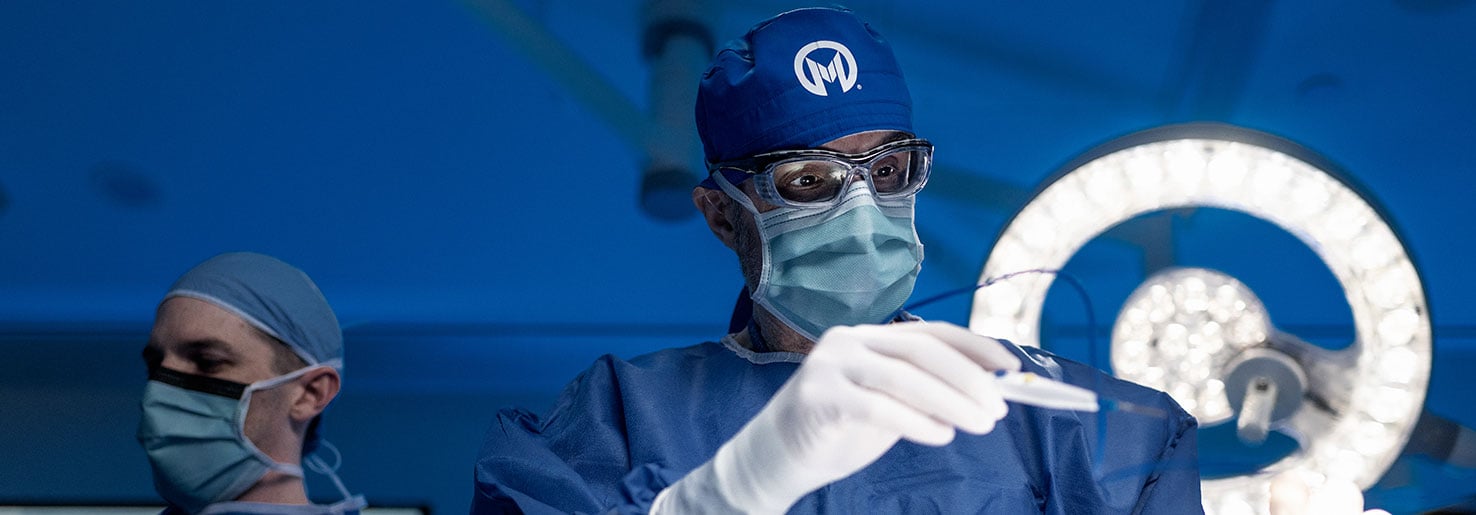
Q&A: Understanding Intralesional and Infusional Therapies for Metastatic Melanoma
With insights from Matthew Perez, MD, a surgeon in the Cutaneous Oncology Program at Moffitt Cancer Center.

Matthew Perez, MD
Q: What are intralesional and infusional therapies, and when are they used in metastatic melanoma?
A: These therapies are localized or regional therapies for patients with unresectable, locoregionally advanced, or in-transit metastatic melanoma. Intralesional therapies involve injecting agents directly into tumors, while infusional therapies—such as Isolated Limb Infusion (ILI) and Percutaneous Hepatic Perfusion (PHP)—deliver high-dose therapy through regional circulation systems. These approaches are unique in that they can deliver the therapy to the affected area while minimizing systemic toxicity.
Q: Who are the ideal candidates for these treatments?
A: Patients with unresectable locoregional melanoma, including in-transit lesions, or liver-dominant uveal melanoma are excellent candidates. These patients may have progressed on prior systemic therapies.
Q: What intralesional agents are commonly used?
A: T-VEC (talimogene laherparepvec) is an FDA-approved oncolytic virus therapy that is designed to directly kill melanoma cells and trigger the immune system. Additional agents under investigation include other oncolytic viruses and immunostimulatory compounds.
Q: How do infusional approaches like ILI and PHP function?
A: ILI selectively delivers high-dose chemotherapy to a limb using a tourniquet to prevent systemic spread—ideal for multiple unresectable limb lesions. PHP isolates liver circulation to selectively infuse high-dose chemotherapy directly into the liver, providing targeted therapy for hepatic-dominant metastatic disease, such as in uveal melanoma.
Q: What should referring providers watch for when considering a referral?
A: Refer patients with:
- Metastatic cutaneous or subcutaneous/nodal, especially with multifocal or locoregionally advanced disease
- Liver-predominant uveal melanoma
Early referral ensures timely multidisciplinary evaluation and access to appropriate therapies or clinical trials.
Q: What does the future of intralesional and infusional therapy look like?
A: “While new agents are currently under investigation, we are also investigating the role of combining these therapies with systemic agents to enhance outcomes. There is a lot of opportunity in this space to improve patient outcomes,” says Dr. Perez. Moffitt is actively engaged in research to bring these innovations forward.
To refer a patient diagnosed with or suspected of having metastatic melanoma, please complete our online form or email our physician liaison for assistance. Our experts are honored to collaborate with you on their evaluation and develop a personalized treatment plan.