Revolutionizing Breast Cancer Treatment: Personalized Immunotherapy Trials at Moffitt Cancer Center
In the evolving landscape of breast cancer treatment, two groundbreaking clinical trials at Moffitt are offering new hope to patients with aggressive subtypes. Led by Hatem Soliman, MD, and Hyo Han, MD, these studies harness the power of personalized immunotherapy to target cancer cells with unprecedented precision.
Precision Dendritic Cell Vaccine (DCV) Trial for Triple Negative Breast Cancer (TNBC)
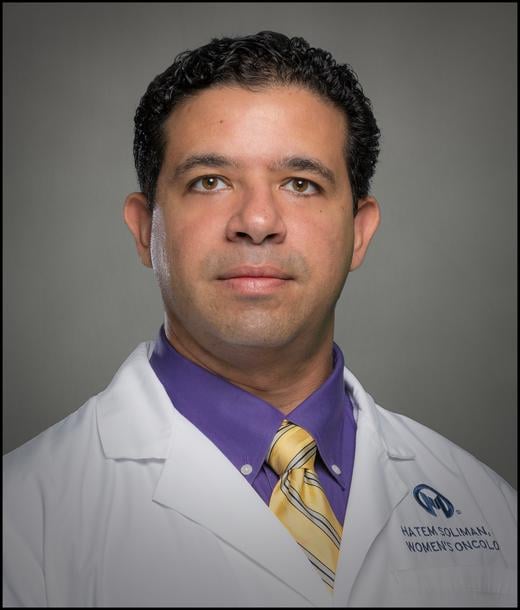
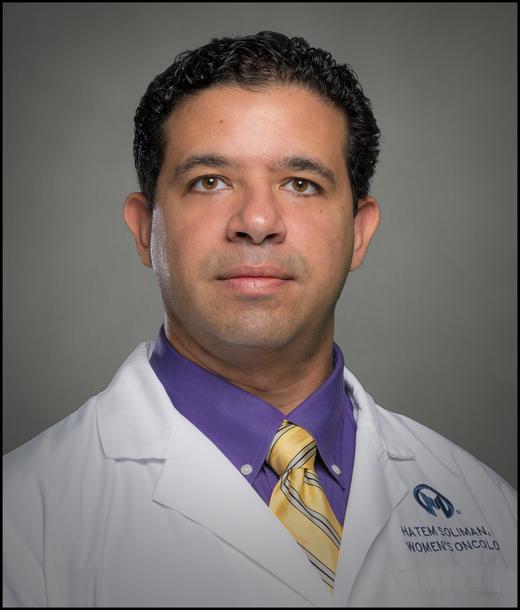
Hatem Soliman, MD
Triple negative breast cancer is one of the most challenging forms to treat due to its lack of hormone receptors and HER2 expression. The Precision DC trial (Clinical Trial 23142) is pioneering a personalized dendritic cell vaccine approach for patients with high-risk TNBC who have residual disease after neoadjuvant chemotherapy.
How It Works
- Tumor Profiling: After surgery, residual tumor tissue is sequenced to identify unique mutations.
- Vaccine Development: Up to 10 tumor-specific neoantigens are selected and combined with dendritic cells derived from the patient’s blood.
- Immune Activation: The vaccine is injected into lymph nodes to stimulate a systemic immune response.
Treatment Schedule
Patients receive three initial vaccines biweekly, followed by booster doses at six and 12 months.
Who Is Eligible?
- Diagnosed with triple negative breast Cancer
- Completed neoadjuvant chemotherapy
- Have residual disease post-surgery
NATASHA Trial for HER2-Positive Breast Cancer
The NATASHA trial explores a novel approach for early-stage HER2-positive breast cancer using HER2-primed DCV. Led by Dr. Han, in collaboration with Dr. Soliman, this study aims to reduce chemotherapy toxicity while maintaining therapeutic efficacy.

Hyo Han, MD
Key Features
- Preoperative Intratumoral Vaccines: Dendritic cells are injected directly into the tumor before chemotherapy.
- Reduced Chemotherapy: Patients receive a less intensive regimen alongside trastuzumab and pertuzumab.
- Promising Results: Some participants experienced tumor shrinkage before chemotherapy began, indicating strong immune activation.
Why This Matters
These studies represent a paradigm shift in breast cancer care:
- Personalization: Treatments are tailored to each patient’s unique tumor profile.
- Immunotherapy Integration: Moving beyond traditional chemotherapy to immune-based strategies.
- Reduced Toxicity: Potential for fewer side effects and improved quality of life.
Who Is Eligible?
- Diagnosed with early-stage HER2-positive breast cancer
- Eligible for preoperative therapy
- Willing to undergo intratumoral vaccine injections
Refer Your Patients
Refer eligible patients to Moffitt for screening and enrollment details. These studies are not only advancing science, but they’re also offering patients a chance at more effective, less toxic treatments.
To refer an eligible patient for these studies, please email the Clinical Trial Coordinator at CTOBreast@Moffitt.org.