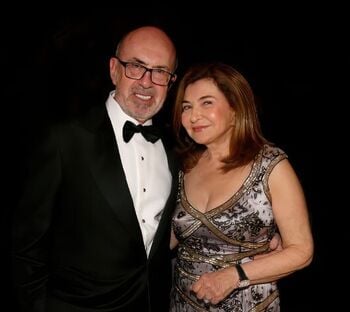
Their generous seven-figure gift will support clinical trials and the creation of a comprehensive CMML database- an essential tool that will significantly advance research in this field.


At Moffitt Cancer Center, we are deeply aware that every breakthrough we celebrate today stands on the foundation of decades of relentless research, collaboration and vision — made possible by the work of our scientists, clinicians and donors who dared to dream beyond what was ever thought possible.
In cancer research, true progress is not measured in days or months, but is built through years of unwavering commitment, discovery and innovation.
Today, Moffitt is recognized as one of the nation’s leading cancer centers, not only because of our clinical and research excellence, but because of our firm commitment to one lifesaving mission: to contribute to the prevention and cure of cancer.
In this report, you will see how important your support is to fueling the continuum of discovery: from the earliest stages of fundamental science to the latest clinical breakthroughs changing lives today. Much of our success hinges on the generous support Moffitt has received over the years from our donors at every level of giving. Gifts from supporters like former U.S. Sen. Connie Mack III and Donald Adam which helped lead to the FDA approval of TIL therapy for advanced melanoma. A gift from The Richard M. Schulze Family Foundation which will make Moffitt the first health system in the Tampa Bay area to install a proton therapy system. A gift from the Todd and Karen Wanek Foundation, which will lead to advancements in T-cell immunotherapies. These are a just a few of the stories you will read about as you explore the pages of our impact report. With your partnership, Moffitt will undoubtedly continue to lead the way, ensuring that the breakthroughs of tomorrow are built upon the foundation we lay today. Together, we are not just advancing cancer care and research, but transforming hope into reality for generations of patients to come.
On behalf of Moffitt Cancer Center and our patients and their families, we share our sincere gratitude for your generosity.
At Moffitt Cancer Center, every gift carries the power to touch lives—but some go even further, helping to shape the very future of cancer care, research and healing.
These transformational gifts, made by visionary donors, don’t just change outcomes—they change what’s possible. They fund groundbreaking clinical trials that offer new hope to those who have exhausted every other option. They help us build compassionate, state-of-the- art spaces that support patients and families during their most challenging times. They expand access to care for communities in need and create new frontiers of innovation in oncology.
In the pages to follow, you’ll read stories of extraordinary generosity — stories that demonstrate the will, the heart and the determination our donors bring to make a better tomorrow. Their commitment empowers Moffitt to continue pushing the boundaries of what we can achieve, forging new pathways to better treatments, better outcomes and brighter futures for all.
From Giving to Groundbreaking
The Power of CAR T Therapy: A Bold Step Forward
The Todd and Karen Wanek Foundation made an extraordinary gift of $11.4 million to Moffitt Cancer Center to advance two new immunotherapies that hold promise against prostate cancer and other cancers.
The gift allows Moffitt scientists to rigorously test two new therapies that harness the body’s immune system as a powerful force against cancer. In these therapies, immune cells are genetically modified to attack cancer cells. The process is called CAR T, or chimeric antigen receptor therapy. One of the immunotherapies they are supporting is an existing clinical trial that uses gamma delta CAR T cells, which are capable of targeting cancer more effectively. The other immunotherapy will focus on adding a gene called PGC-1a to CAR T cells. This allows the immune cells to survive and thrive in the challenging microenvironment of tumors and allows the body’s T cells to attack cancer within the tumor.

Longtime Moffitt supporters and Benefactors Richard Staley and Jayne Goetze have been steadfast partners in our mission for years, beginning with their involvement in Pinellas Partners. Their most recent seven-figure gift continues a legacy of generosity by supporting the Screening and Proteomics Initiative for Novel Targets and Drugs (SPRINTD).
SPRINTD is a drug discovery platform that will be used to discover and develop cancer drugs. This innovative project will allow Moffitt to be front and center in developing first-in- class anti-cancer drugs and will give them the tools available to develop drugs for cancers that haven’t had many treatment options available in the past.
Advancing CAR T Therapy for Lymphoma:
Lisa Hale’s Impact
Lisa Hale’s generous seven-figure gift is accelerating efforts to expand CAR T therapy, particularly for patients with lymphoma. With her support, Moffitt researchers are working toward securing a preclinical RO1 grant from the National Institutes of Health (NIH), a prestigious milestone that would fund future clinical trials and was made possible by her partnership. Her gift will also advance key research initiatives from existing CAR T clinical trials at Moffitt. The work she is empowering today will lay the groundwork for more effective, life-saving CAR T therapies for future lymphoma patients.

Honoring a Legacy:
The Linda Ann Stewart LaRue Neuroendocrine Cancer Research Fund
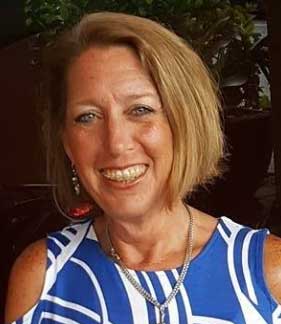
Claude “Sonny” LaRue’s journey with Moffitt Cancer Center began as a profoundly personal one. His wife, Linda, was treated by Dr. Mintallah Haider at Moffitt, and the compassionate care they received left a lasting impression. Although Linda sadly passed away in August, Sonny chose to honor her memory and her courage by making a generous $1 million gift.
“My sweet wife Linda always maintained a very positive attitude towards her diagnosis and illness,” LaRue said. “However, that positive attitude only increased after she engaged with Moffitt Cancer Center and Dr. Haider. Dr. Haider was an inspiration and only added to Linda’s positive nature and gave her the reassurance that she was going to get the best care possible, which she did at Moffitt Cancer Center. It is only fitting that I try to honor Linda’s memory with this donation.”
Through the establishment of the Linda Ann Stewart LaRue Neuroendocrine Cancer Research Fund, Sonny is ensuring that future patients battling neuroendocrine tumors have better options and brighter hope. His support will directly advance research into cell-based immune therapies, a promising and innovative approach that has the potential to transform treatment options for patients.
Building a Better Future for CMML Patients:
Mike and Sofia Segal’s Vision
Chronic myelomonocytic leukemia (CMML) is a rare type of blood cancer with limited research and few treatment options. When Mike and Sofia Segal learned of CMML, they decided to take action.
Because of their support, Moffitt is leading a groundbreaking Phase 1 clinical trial – the first ever human study of the novel drug STX-0712 in patients with advanced blood cancers, including CMML and select subtypes of acute myeloid leukemia (AML). This innovative treatment uniquely combines two key agents - a small molecule (STX- 0196) and a special monoclonal antibody (STX-0516), that work together to target a protein (CCR2) involved in these cancers. This trial is unique because of its focus on CMML, and it is the first time anyone will ever receive STX-0712.
By collecting a large set of multi-omic single-cell data from CMML patient samples, the database will serve as a critical resource for researchers. It will not only accelerate discovery but also attract new investigators to CMML research, igniting a wave of fresh ideas and transformative studies.
Their generous seven-figure gift will support clinical trials and the creation of a comprehensive CMML database- an essential tool that will significantly advance research in this field.
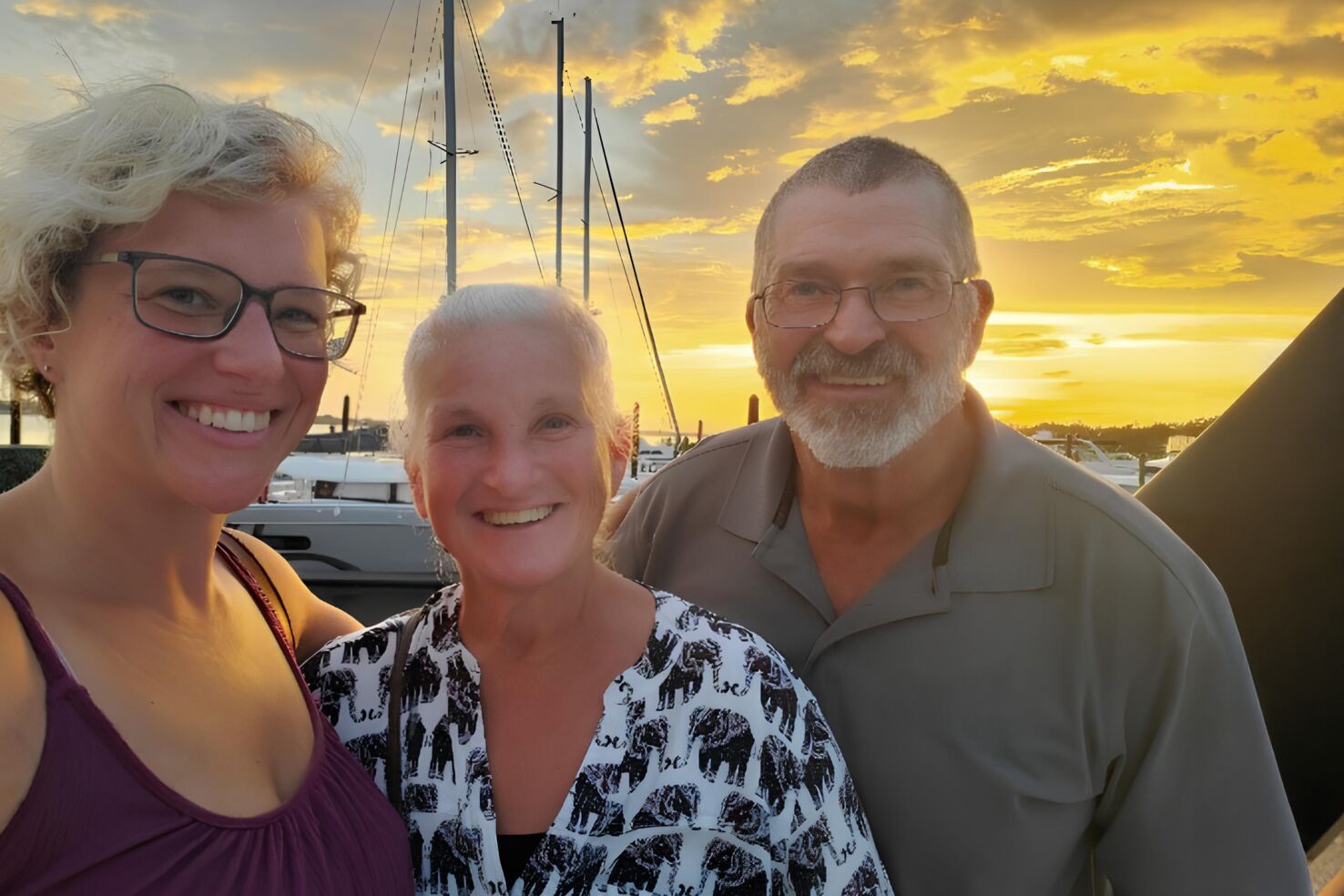
Gabby has always been close with her parents. After graduating from fashion school, she felt called to return to her hometown of Brandon to be near them once again.
In 2016, Gabby’s father, Myron “Larry” Moss, was diagnosed with colon cancer. The news was devastating, but their family found strength and support through the care he received at Moffitt Cancer Center. Larry underwent 12 rounds of treatment and is now cancer-free.
“Everyone is so kind and such special people,” Gabby said of the Moffitt team. “Nobody wants to hear the ‘C’ word.” Deeply moved by the experience, Gabby began searching for ways to give back— to help other families facing similar challenges. That journey led her to the Moffitt Foundation, which raises critical funds to advance priority research initiatives, including groundbreaking work in immunotherapy. She decided to contribute through monthly recurring gifts to ensure her impact continues for as long as possible, providing steady and reliable funding for the breakthroughs of tomorrow.For Gabby, making a small recurring gift goes beyond just donating; it’s a personal act of gratitude and hope.
“This is important and something I know is going to help others in a meaningful way,” she said. Monthly gifts, like hers, allow Moffitt to plan, sustain momentum in critical research, and respond quickly when new discoveries show promise.
Gabby and her parents, affectionately known as “The Three Amigos,” spend their weekends together, cherishing every moment. They now know firsthand where to turn for the best possible outcomes when facing cancer, and they believe in the power of supporting research that can change lives.
Recurring donations help ensure no promising idea goes unexplored due to a lack of funding. They provide a dependable stream of support that researchers can count on, month after month.
My family is the most important thing to me.” — Gabby
For donors like Gabby, it’s a way to be part of something bigger—an ongoing commitment to hope, healing and a future where a cure is possible.
Learn more about the power of monthly giving at Moffitt.org/Give.
Shortly after joining a group called the Moffitt Merit Society, Bonnie Freeman noticed that members are invited to tour research laboratories at Moffitt Cancer Center. She and her husband, Steve, decided to give it a try.
We were literally blown away by the tours, every person we encountered, every Moffitt researcher, doctor, employee was warm, welcoming and informative. We just love going on the tours. So we go on every one we possibly can.”
— Bonnie
The tours have inspired the Freemans to support research at Moffitt. They quip that they are by no means “mega-donors.” But there’s a strong sense of purpose behind their interest in Moffitt. Three of their four parents died of cancer.

The tours have inspired the Freemans to support research at Moffitt. They quip that they are by no means “mega-donors.” But there’s a strong sense of purpose behind their interest in Moffitt. Three of their four parents died of cancer.
After visiting two Moffitt scientists studying ovarian cancer, the Freemans decided to contribute to their work. It was significant to Bonnie, whose mother died of the disease.
“It was just an incredible tour,” Bonnie said. “I mean, everyone we talked to, they’re all so down to earth and articulate.”
The Freemans are both lawyers who live in St. Petersburg. Steve has a lifelong interest in science and a brother who is a radiation biologist. Both enjoy the opportunity to learn more about Moffitt’s innovative programs to find new cancer treatments.
“I enjoy listening to what they’re doing,” Steve said. “I find
it fascinating.”
Lab tours, which are open to members of Moffitt-affiliated groups, allow supporters to visit the cancer center’s scientists in the very laboratories where they research breast cancer, lung cancer, radiology, prostate cancer, brain cancer, health disparities, nutrition and more.
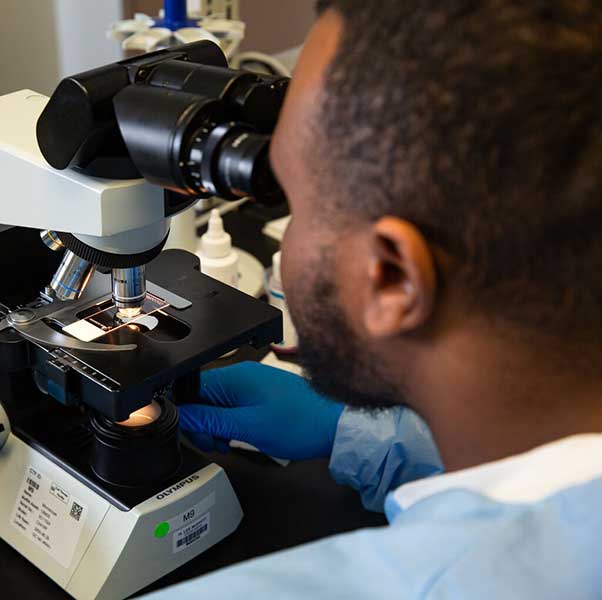
The Freemans were especially intrigued by a 2022 tour of Moffitt’s pathology lab, which showcased the dizzying number of tissue samples processed at Moffitt by a large team of pathologists, using high-tech equipment and new approaches such as AI.
On a different visit, they were amazed when Bonnie asked a question to Dana Ataya, MD, right as one tour was ending. To answer the question, “she followed us all the way through that large building into another building to our next tour,” Bonnie said.
This year, they also attended their first Magnolia Ball, Moffitt’s inspiring annual gala that raises millions for cancer research. Asked what motivates them to support Moffitt research, the Freemans both cited the brilliant and innovative scientists they have had the opportunity to meet.
It’s the people who work at Moffitt. Their dedication is palpable. They’re hardworking, just amazing people.”
— Bonnie
We are deeply grateful to the 21,164 generous individuals and organizations who supported Moffitt Cancer Center in 2024. With gifts large and small, all are working together for a common goal – preventing and curing cancer.
Local bowlers participated in the second annual Bowling for a Cause at Liberty Lanes Largo Bowling Center (below), raising more than $15,000 for breast cancer and pancreatic cancer research.
Softball teams from all over the Tampa Bay area participated in the Crush for a Cure Softball Tournament in Fishhawk (right). The tournament raised over $15,000 for gastrointestinal cancer research at Moffitt.


| Areas of greatest support in 2024 | |
| Research | $39,000,000 |
| Patient Care | $10,000,000 |
| Unrestricted | $7,400,000 |
| Restricted Use | $6,000,000 |
| Endowment | $500,000 |
| Employee Aid | $100,000 |
| Grand Total | $63,000,000 |
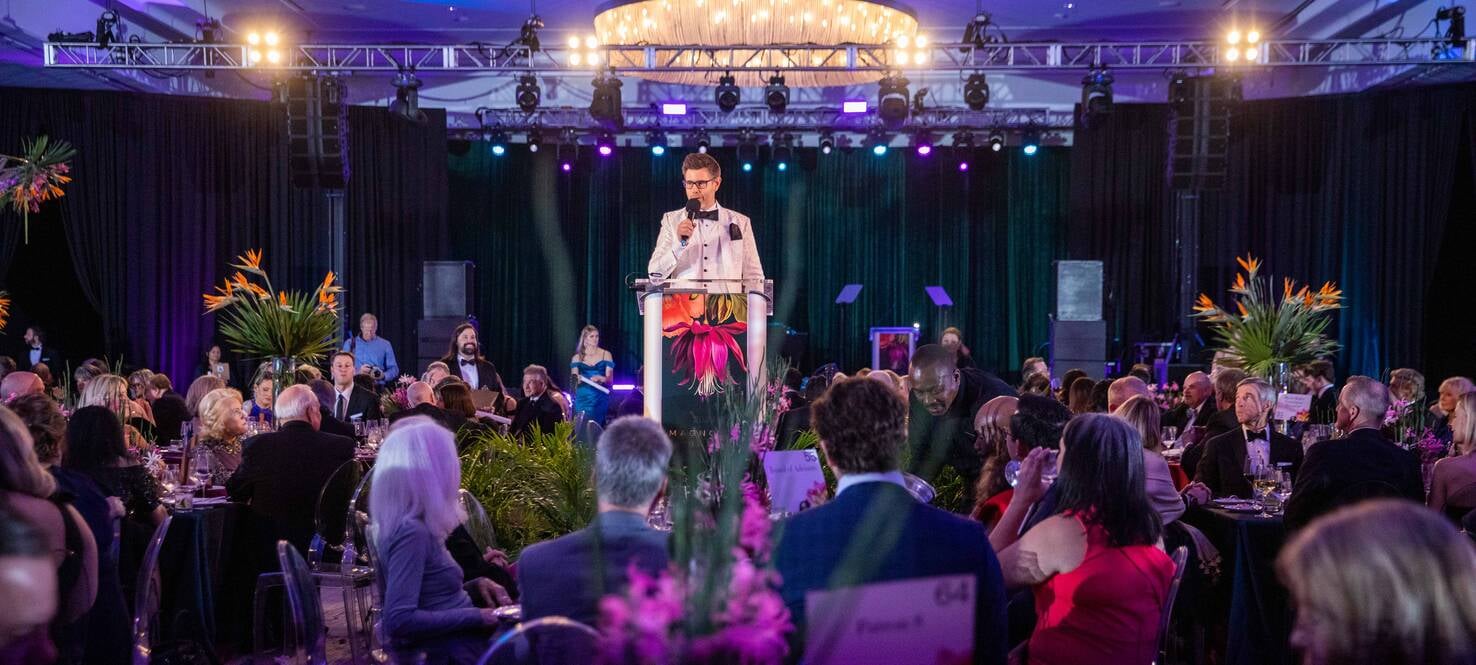
The 2024 Annual Magnolia Ball featured high-energy entertainment from rapper Flo Rida and a heartfelt personal testimonial from Greg Sawyer, PhD, a cancer survivor and chair of Moffitt Cancer Center’s Bioengineering Department. The spectacular event drew more than 700 guests and raised a record $5.3 million for cancer research at Moffitt.
The February 2025 gala, featuring headliner Lady A, shattered records again, drawing 900 guests and raising more than $8 million for cancer research.
2024

700+
Total Guests

$5.3M
for Cancer Research
2025
900+
Total Guests
$8.4M
for Cancer Research
Miles for Moffitt Presented by AutoNation set a record for attendance in 2024, with more than 10,700 people participating virtually and in person. This inspiring run, walk and community gathering demonstrates the Tampa Bay area’s commitment to finding new hope for all who face the disease.
The 2024 Miles for Moffitt raised more than $ 1.4 million for research at Moffitt Cancer Center. Momentum already is building for the 2025 event on Nov. 22 at Amalie Arena in downtown Tampa – it’s the 20th running of the race!
2024
10,700+
Participants
$1.4M+
for Cancer Research

 Our GIVING SOCIETIES
Moffitt Cancer Center’s giving societies provide a unique opportunity for people to learn more about groundbreaking research and care at Moffitt. Members and supporters become a part of Moffitt’s efforts to advance scientific knowledge and improve treatment in ways that benefit patients everywhere.
Moffitt Merit Society®
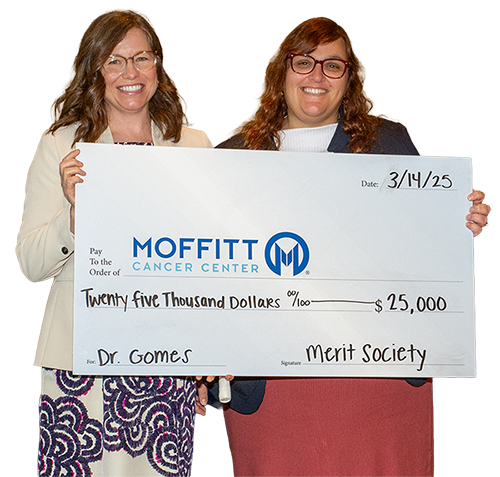
Members support the work of female scientists at Moffitt and attend regular luncheons and other events featuring talks by leading physicians and scientists. The Merit Society’s 2024 support included a research grant to:
George Edgecomb Society®
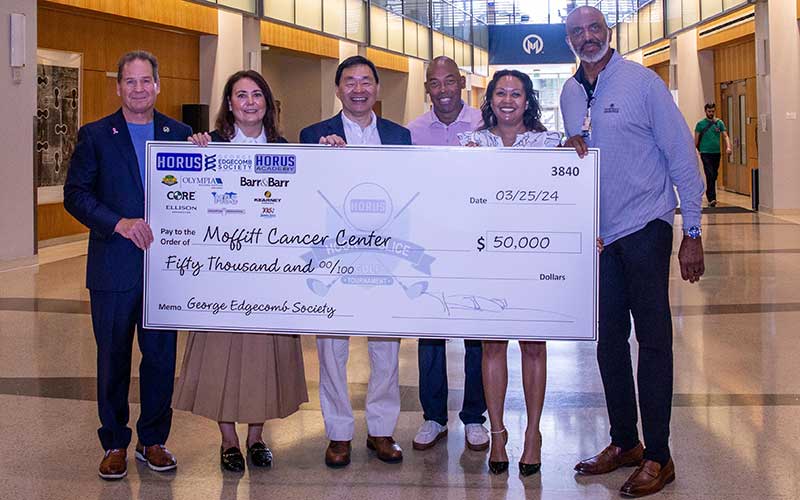
This society supports Moffitt research on health disparities. The group also launched a corporate membership program called Moffitt Corporate Partners in Health, offering companies a powerful way to contribute to the vision of quality care for all people in diverse Tampa Bay communities.
The society awarded two $75,000 grants in 2024:
Pinellas Partners
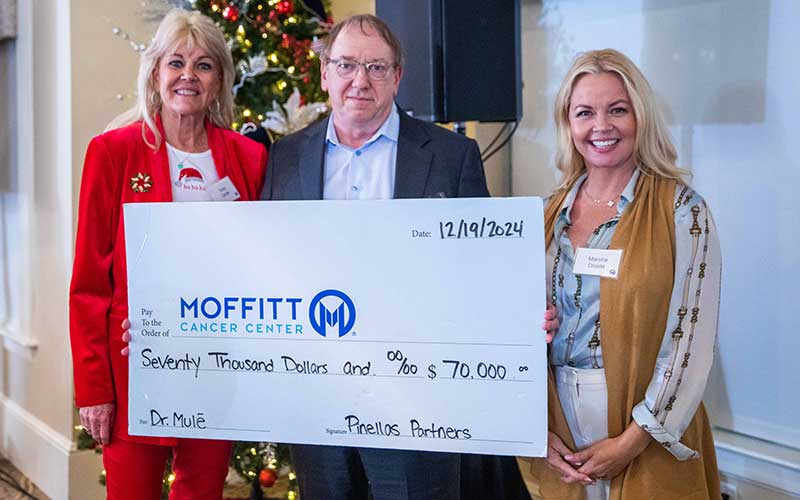
This Pinellas County-based group meets twice a year to support and learn more about lifesaving research at Moffitt. To date, Pinellas Partners funding has supported innovative cellular therapy breakthroughs, new cancer medications, mental health research, genetic oncology, skin cancer research, breast cancer research, nutrition awareness and prevention and outreach initiatives. Pinellas Partners in 2024 awarded research grants to: Pinellas Partners in 2024 awarded research grants to:
 “I believe in the work we do here”
Moffitt vice president gives generously while having fun.
Brian Springer might be the only Moffitt Cancer Center executive who can regularly be seen in a purple sequined tuxedo and other flashy outfits at Moffitt events. He is Moffitt’s vice president and associate center director for Research Administration, as well as a strong believer in the importance of contributing to Moffitt’s mission. Springer is a generous donor himself, having given more than $300,000 over his 11 years at Moffitt.
To Brian, cancer research is personal. His wife, Leah, passed away from Hodgkin lymphoma at the age of 32. He moved to Tampa in 2013 to join Moffitt, on a mission to help prevent others from having similar experiences. In Tampa, he found new love with Heather Dorsten. Brian, Heather, and their six-year old daughter regularly attend Moffitt events such as the annual Magnolia Ball. This November, they will again participate in the 20th annual Miles for Moffitt with the Hacker Crew team. He spoke recently about why he believes so strongly in giving back.
What is your role at Moffitt?
When people ask me about my job, I describe it as being similar to that of a music producer. I get to work with scientific rock stars and help them make hit records. I’m one of the key operations people to help support our faculty and team members in conducting Moffitt science. That involves strategic planning, execution and tracking, developing grant awards, providing support resources (such as space, equipment, pilot funding), etc. in partnership with Center Director Dr. John Cleveland and our research senior leadership team. My teams help our faculty develop and conduct their science. Research is part of Moffitt’s DNA, and I love getting to work with every area of Moffitt to ensure we conduct high-quality science and bring Moffitt science to our patients, while advancing clinical and scientific standards nationally and internationally.
You’ll be leading a team again this year for Miles for Moffitt. Tell us about that.
Yes! I’ll be the team captain of the Hacker Crew (honoring the memory of Dave Hacker, a Moffitt patient and family friend). Dave came to Moffitt because he had a glioblastoma (a form of brain cancer) and lived for two years, which is pretty remarkable. We do this to celebrate the memory of Dave and also to provide funding that comes back to support research here. It’s also an opportunity for my family to wear costumes, celebrate our progress and remember all of the work we still need to do to save more lives.
What makes Miles for Moffitt special to you?
Everybody loves Miles for Moffitt. It’s a fun event. Many of the people who are on our team knew Dave Hacker, and many have had loved ones treated at Moffitt. Not only is it a good time, but it’s also so energizing to see the cancer survivors. It’s a very emotional event for all of us, but it’s also great to see the number of survivors who are also giving back.
Why do you give to Moffitt?
I believe in our mission. I believe in Moffitt. It’s an honor to be here.
I’m very passionate about cancer and treating cancer. I’ve lost family friends to cancer. I’ve seen what people go through with cancer. I was a widower at an early age due to long term effects of cancer treatment. I would like to have the ability to prevent that for somebody else. Most importantly, I believe in the work we do here to contribute to the prevention and cure of cancer.

Springer, in purple sequins, with 2024 Magnolia Ball entertainer FloRida.
In a world driven by instant results, it’s easy to overlook the quiet strength of perseverance. At Moffitt, we know that true impact is rarely immediate. It’s built over the years through research, resilience and unwavering belief in a better future.
And at the heart of that progress are donors who see what others cannot yet see. They believe in the promise of tomorrow, even when it’s still taking shape today. The stories that follow highlight some of our donors and the gifts they made that led to advancements in cancer research and treatment.
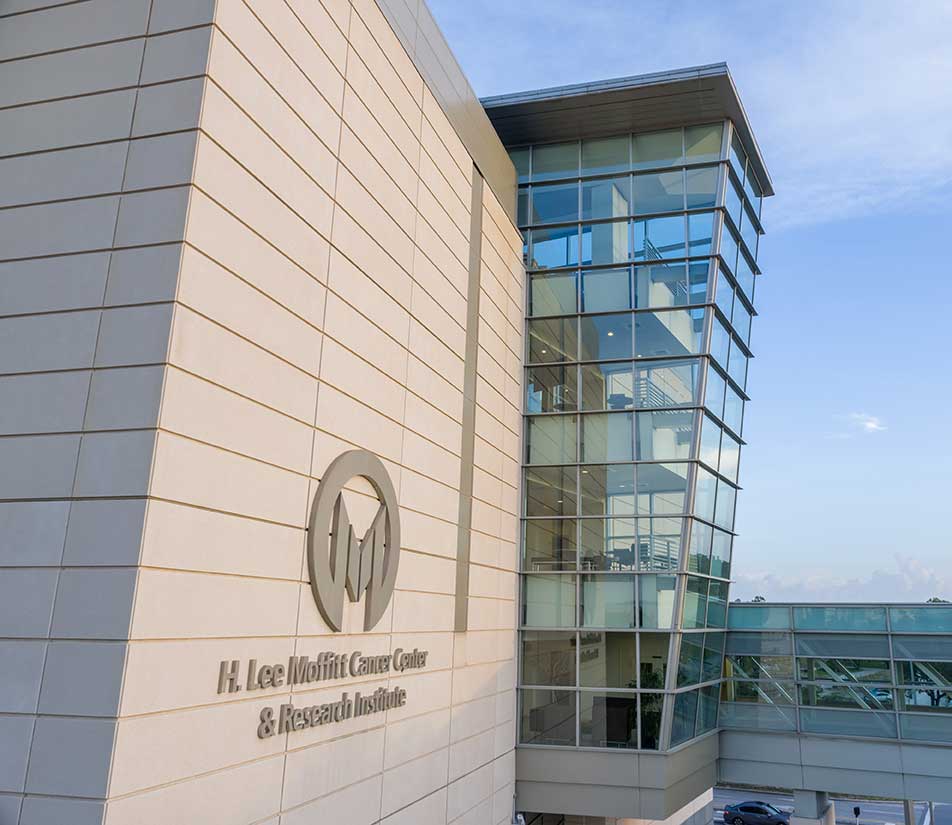
From Giving to Groundbreaking
Former U.S. Sen. Connie Mack III lost his brother to melanoma. After winning the U.S. Senate election, Mack and his wife, Priscilla, wandered into a bookstore and discovered Dr. Steven Rosenberg’s book “The Transformed Cell: Unlocking the Mysteries of Cancer.” The book inspired him to meet Rosenberg at the National Institutes of Health (NIH). He decided that these future technologies needed funding, and he made it his top priority to double the NIH budget, which he successfully achieved. He followed this technology as he became chair of Moffitt’s Board of Directors.
After being successfully treated for melanoma, Donald Adam wanted to change the trajectory of the disease for all patients. He met Mack, who had the same vision in mind. Mack approached Adam and asked him about supporting a melanoma research center. The initial request was for $5 million. Realizing that he was aligning with the best in cancer care, Adam says he was motivated to enhance his gift by an additional $15 million. Adam donated $20.4 million to Moffitt Cancer Center to establish the Donald A. Adam Melanoma and Skin Cancer Center of Excellence. His gift made history as the largest single gift Moffitt has ever received.
After 17 years of groundbreaking research at Moffitt, the Food and Drug Administration (FDA) approved a new treatment for advanced melanoma. Tumor-infiltrating lymphocyte (TIL) therapy, is a first-of-its-kind cellular therapy for solid tumors that uses a patient’s own immune cells to fight their cancer. This new therapy gives hope to those who once thought there were no other treatment options.
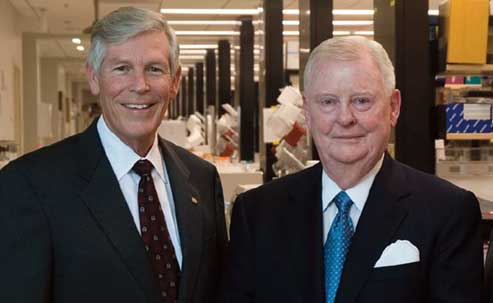 It’s the tenacity and generosity of people like Connie Mack III and Donald Adam that leads to changes that impact a generation. Because of their dedication, more lives are being saved today, tomorrow and in the future.
Former Sen. Connie Mack III, left and Donald Adam
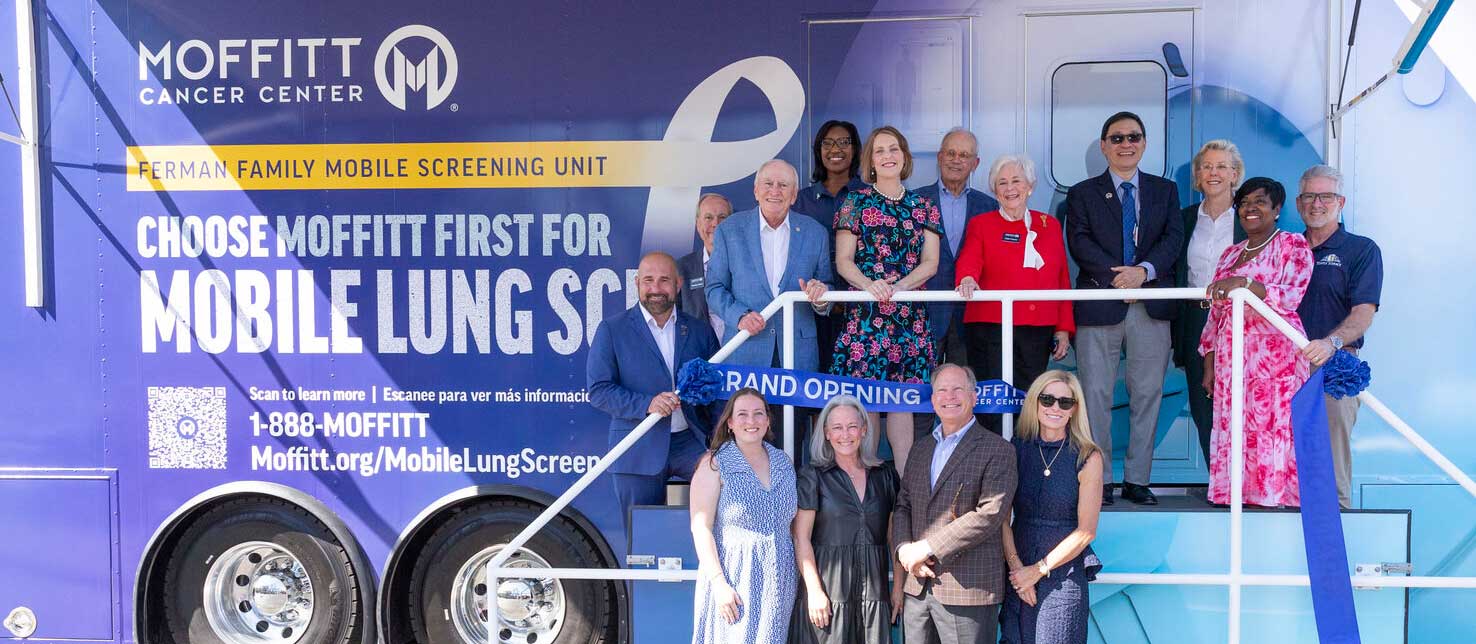
In last year’s report, we shared the exciting news about the upcoming mobile lung cancer screening unit that was slated to be fully operational in the fall of 2024. That vision became a reality on Oct. 22, 2024, when Moffitt Cancer Center proudly celebrated the grand opening of the Ferman Family Mobile Lung Screening Unit with a ribbon-cutting ceremony. The unit is equipped with a low-dose CT scanner and aims to make screenings more accessible, targeting high- risk individuals. The U.S. Preventive Services Task Force recommends annual screening for adults ages 50 or older who have smoked a pack a day for the last 20 years or two packs a day for the last 10 years and currently smoke or have quit within the past 15 years. In 2023, fewer than 3% of eligible Floridians underwent lung cancer screenings. Moffitt hopes to bridge the gap in early detection and reduce lung cancer mortality across Florida.
Following the excitement of the ribbon-cutting ceremony, the lung unit hit the road in early November for its first- ever mobile lung screening event, in collaboration with the Florida Department of Health in Pasco County. That day, nine individuals received low-dose CT scans to check for suspicious nodules in their lungs. Patients received their results within five days. For those with suspicious findings, follow-up evaluations were scheduled. Those with clear scans were advised to follow the recommended screening guidelines and undergo a low-dose CT scan annually. This is only the beginning. Moffitt is looking forward to screening more people in the Tampa Bay area, one stop at a time.
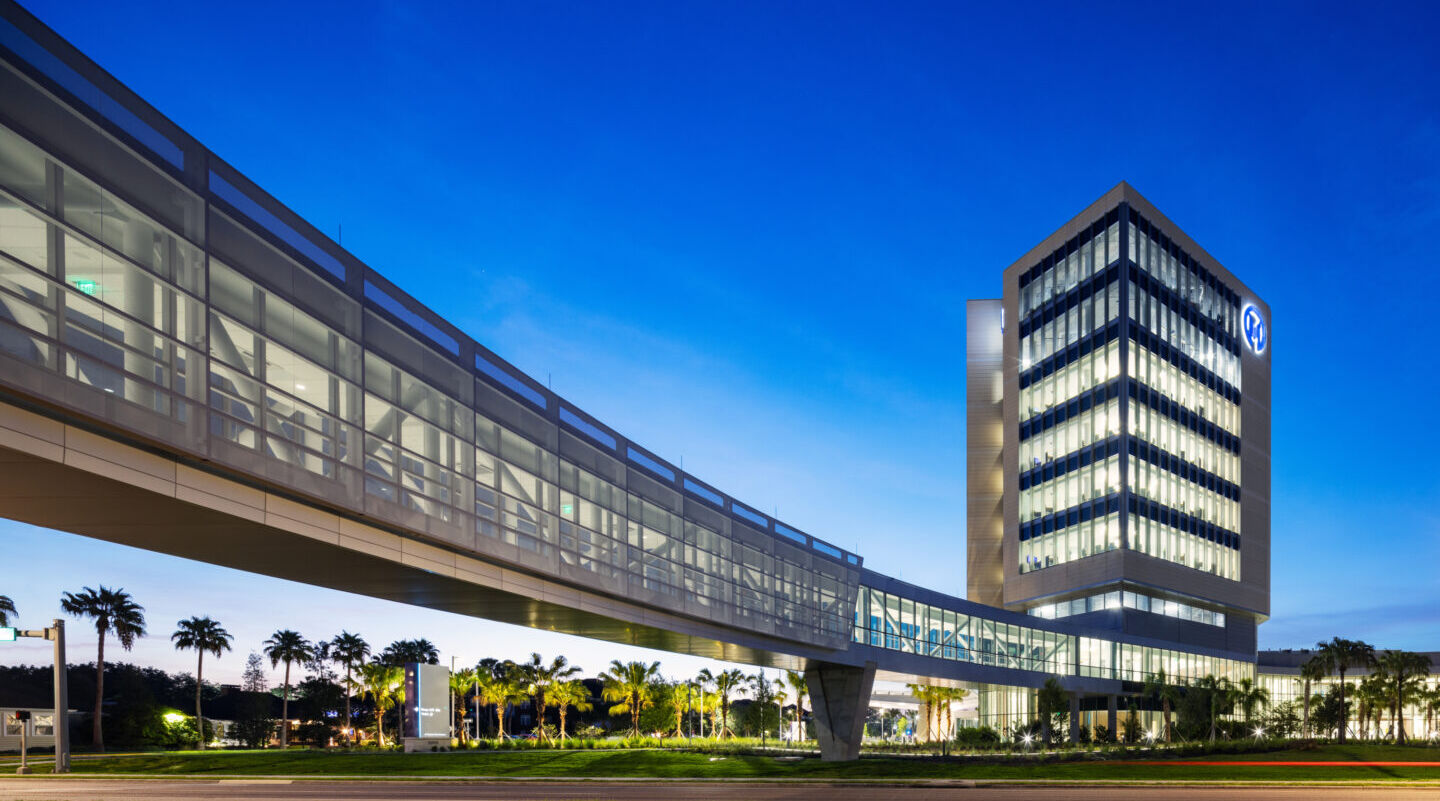
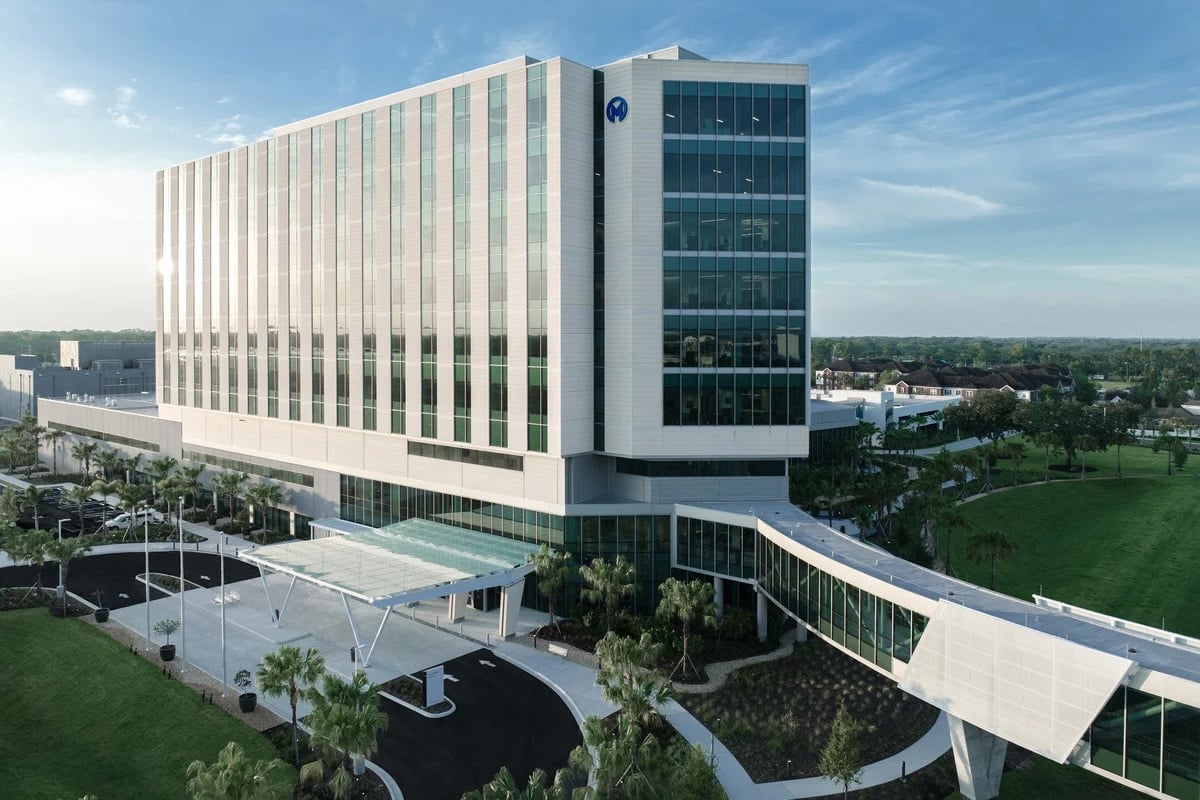
In 2021, The Richard M. Schulze Family Foundation, deeply committed to advancing health care innovation, pledged a remarkable $15 million gift to Moffitt Cancer Center. Their vision? To help build a cutting-edge proton therapy center at Moffitt’s SPEROS FL campus.
Moffitt is set to make history, becoming the first health system in the Tampa Bay area to install a proton therapy system. Patients are expected to begin receiving treatments as early as 2026 at the brand-new, 120,000-square-foot clinic, which will house the 30,000-square-foot Moffitt Richard M. Schulze Family Foundation Proton Center.
At the heart of this advancement is the Proteus®ONE—a next-generation, single-room proton therapy system developed by IBA. Compact and sustainable, the Proteus®ONE provides unprecedented precision in cancer treatment while leaving a significantly smaller environmental footprint compared to older, bulkier models. Its state-of-the-art pencil beam scanning technology delivers the sharpest, most accurate treatment available today, dramatically reducing harmful secondary radiation. For patients, this means fewer side effects, better long-term outcomes and a higher quality of life after treatment.
With the arrival of Proteus®ONE at Speros, Moffitt will not only be a leader in treatment but will also become a beacon of research and innovation. Researchers at Speros will be able to explore novel proton therapy applications, including immunotherapies, which will lead to more advancements and groundbreaking therapies for cancer treatment.

If you have questions about donating, or would like to learn more about making an impact, please contact our team of gift officers at the Foundation at
1-800-456-3434, ext. 1403 or FoundationInfo@Moffitt.org