



New York Times Examines Women’s Health Myths, Features Moffitt Cancer Center Expert
A recent article in The New York Times examines persistent misconceptions in women’s health and how gaps in research and awareness can delay diagnosis and treatment.
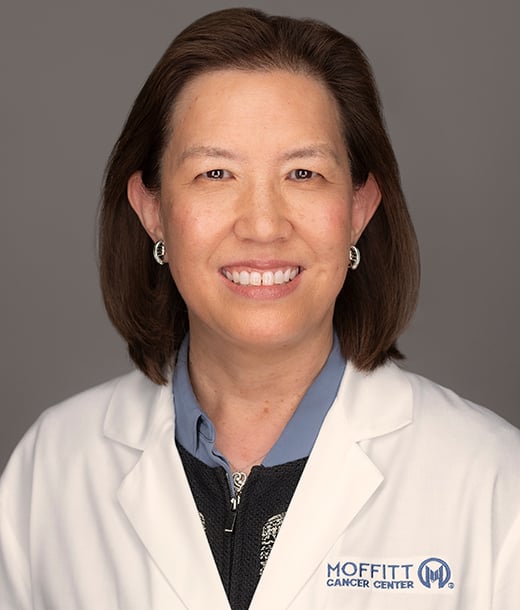
The national story includes insight from Karen Lu, MD, physician in chief at Moffitt Cancer Center, who addressed misconceptions surrounding postmenopausal bleeding and its potential link to endometrial cancer.
The article brings together physicians and researchers from across the country to discuss myths related to heart disease, immune function, menopause, pregnancy and chronic conditions that disproportionately affect women. Experts noted that women’s health has historically been understudied, with many diagnostic guidelines and public health messages based largely on data from men.
As a result, symptoms in women are often misunderstood or minimized, contributing to delayed care.
Recognizing Cancer Symptoms After Menopause
Lu emphasized that bleeding after menopause should not be considered normal. While the transition to menopause can be prolonged and unpredictable, postmenopausal bleeding can be an early sign of endometrial cancer.
Because endometrial cancer often presents symptoms at an early stage, awareness plays a key role in early detection and treatment. Women who experience abnormal bleeding or are uncertain whether symptoms are part of menopause should consult a physician rather than dismiss them.
Emphasis on Self-Advocacy
A central theme of The New York Times article is the importance of self-advocacy. Experts noted that women are frequently encouraged to normalize symptoms or are told their concerns are psychological or insignificant.
Physicians interviewed for the story encouraged women to ask questions, seek second opinions when necessary and advocate for themselves if something feels wrong.
That message aligns with Moffitt’s patient-centered approach to cancer care, which emphasizes education, early detection and informed decision-making.
National Focus on Women’s Health
The New York Times feature highlights the need for continued research, education and awareness in women’s health. Moffitt’s inclusion reflects its role in advancing gynecologic cancer care and contributing expert voices to national conversations on cancer prevention and early diagnosis.
