
Cancer Screenings
Skin Cancer Screening
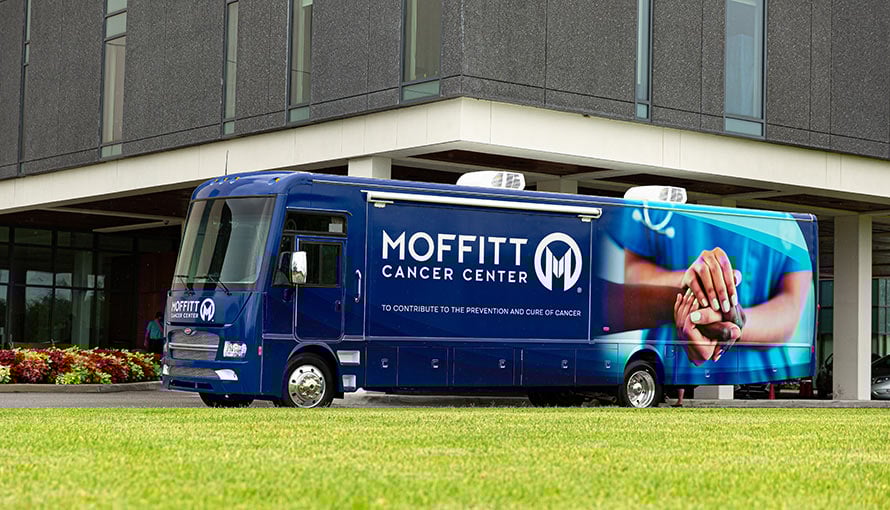
The Mole Patrol® skin cancer screening program travels to venues around Florida and beyond to offer free skin cancer screenings and cancer education to the public. In its 29 years of operation, the Mole Patrol® has screened more than 23,000 people, identifying thousands of suspicious skin lesions.
The Mole Patrol® team is comprised of medical doctors and midlevel practitioners who specialize in skin cancer and/or dermatology, as well as registered nurses and support staff. Most physicians, midlevels and nurses are based at Moffitt, while others come from the USF Department of Dermatology as well as from affiliate institutions and practices in the community.
Screenings are provided free of charge to the public and are conducted in an area that allows for some measure of privacy when needed (multiple exam rooms are available on the screening bus and portable privacy screens are often used). If suspicious lesions are found, patients leave the screening area with follow-up recommendations that should be taken to their primary care physician or dermatologist. In addition, participants receive educational information about skin cancer prevention and early detection and often receive free sunscreen samples and other related giveaways.
For more information, email MolePatrol@Moffitt.org or visit the Mole Patrol website.
Breast Cancer Screening
Breast cancer screening is a vital component of every woman’s healthcare. The process involves periodically checking the breasts for signs of cancer, such as a new breast lump or a mass that can be felt.
Symptomatic breast tumors tend to be larger and more advanced than asymptomatic breast tumors. Therefore, the goal of screening is to detect breast cancer and other abnormalities early, when more treatment options are generally available.
Breast cancer is the second most common cancer in women (skin cancer is first). However, when diagnosed in its initial stages, it is also one of the most treatable forms of cancer. For many women, this means less aggressive treatment and an excellent outcome. For these reasons, it is important for every woman to be screened regularly in the manner and at the frequency recommended by her clinical care provider. While there are general guidelines, breast cancer screening recommendations can vary based on a woman’s risk level and other individual factors.
According to many experts, the use of mammograms and other types of screening radiology have reduced breast cancer mortality in the U.S. by nearly 40% since 1990. At Moffitt Cancer Center, we take great pride in our fellowship-trained breast radiologists, who deliver compassionate and comfortable care using the most innovative breast cancer screening technologies available today.
Moffitt’s breast cancer screening page
Cervical Cancer Screening
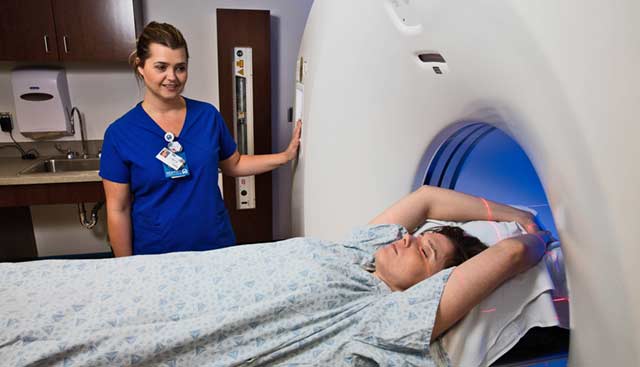
Cervical cancer originates in the cells of the cervix, which is the lower part of a woman's uterus that connects to her vagina. When precancerous cells are detected in the cervix, cervical cancer can often be prevented. Additionally, when the malignancy is detected early, it can often be effectively treated and even cured.
Because cervical cancer typically does not produce noticeable symptoms until the tumor reaches an advanced stage, testing for cervical cancer aimed at prevention and early detection plays an essential role in women’s healthcare.
Cervical cancer screening tests can identify abnormal changes in the cells of the cervix that could potentially develop into cancer if left untreated. Some commonly used screening tests that can help prevent cervical cancer and detect early-stage tumors include:
- Physical Exam
- Pap (Papanicolaou) Test
- HPV (human papillomavirus) Test
Moffitt's cervical cancer screening page
Lung Cancer Screenings
Moffitt Cancer Center is dedicated to screening and prevention. In addition to offering lung screenings at our Moffitt locations, we are also introducing the first mobile lung screening unit in Florida, with the goal of increased screening rates and saving more lives.
Having a lung cancer screening is an important part of a proactive health care plan for current and former smokers. Screenings can identify potentially cancerous abnormalities like lung nodules long before any symptoms occur.
Eligibility criteria endorsed by the National Comprehensive Care Network (NCCN) classifies high-risk as individuals who are:
- 50 years of age or older
- Current or former smoker with a 20 pack-year* smoking history?
- *Pack-year history is the number of packs smoked per day multiplied by the total number of years smoked
- For example, 1 pack a day for 20 years: 1x20 = 20 pack-years, or two packs a day for 10 years: 2x10 = 20 pack-years, etc.
- Are not symptomatic for lung cancer (coughing up blood or unexplained weight loss)
Moffitt’s lung cancer screening page Mobile lung screen events page
Head & Neck Cancer Screening
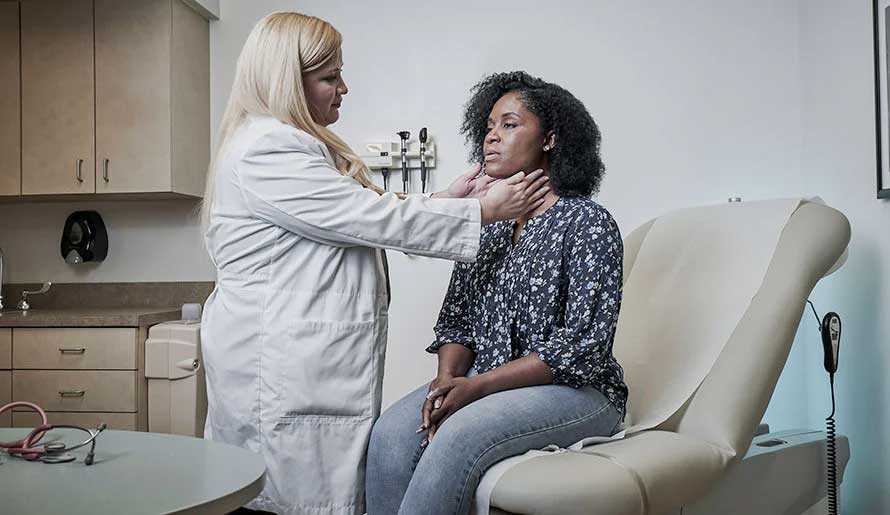
Moffitt Cancer Center's head and neck cancer screening program travels to venues in the Tampa Bay area community offering free head and neck cancer screenings and education to the public. Since April 2017, the program has screened over 1,900 participants with approximately 150 abnormal findings.
During a head and neck cancer screening, a healthcare provider reviews the participant’s medical history and provides a comprehensive clinical exam of the participant’s oral cavity, throat and ears for abnormalities. If abnormalities are identified, the participant is referred to their primary care physician or an ear, nose and throat physician. Additionally, participants will be provided with educational materials on prevention and early detection. A head and neck cancer screening is recommended annually for those at risk.
Free head and neck cancer screenings have been offered at popular events such as the Tampa Bay AirFest, St. Pete Grand Prix, Pier 60-Clearwater Beach and Buccaneers Treasure Chest 5K. Check out the Moffitt calendar to stay up-to-date on upcoming screening events.
Colorectal Cancer Screening
Colorectal cancer screening should begin at age 45 for individuals of average risk. In some cases, individuals should begin screening earlier if they have certain risk factors for colorectal cancer, including tobacco use, alcohol use, obesity and diabetes.
Screening should also begin earlier for individuals at an increased risk of developing colon cancer, including African Americans, those with a history of inflammatory bowel disease, specific genetic syndromes, history of radiation therapy to the stomach or pelvis, and those with a family history of polyps or colon cancer.
Several methods are available for colorectal cancer screening and a decision on the best approach for an individual should be made with the guidance of a physician. Routine testing can be lifesaving, as it can lead to cancer prevention.
Because colon cancer is one of the only cancers that can be easily and reliably detected in people who do not have symptoms, Moffitt Cancer Center encourages individuals to stay up-to-date with their screenings. If the results of a colon cancer screening test show the presence of a precancerous polyp or cancerous lesion, our expert oncologists can develop an individualized treatment plan.
Prostate Cancer Screening
Physicians may recommend a prostate cancer screening program to men who have an elevated risk for developing the condition. Men ages 55-69 should have a conversation with their doctor about the risks and benefits of prostate cancer screening. Others may begin screening a few years earlier if they are African American/black, have a family member with prostate cancer, or another similar risk factor. However, prostate cancer screenings are rarely necessary for men under the age of 40, unless otherwise indicated by their overall health status and history.
A prostate cancer screening may incorporate one or both of the following tests:
- A digital rectal exam (DRE), allows a physician to manually assess the size of the prostate and check for any abnormal lumps. Should an unusual growth be found, the physician may request a transrectal or transperitoneal biopsy to help determine the nature of the cells.
- A prostate-specific antigen (PSA) test, which measures levels of PSA in the blood. Higher PSA levels may be indicative of prostate cancer, although elevated PSA levels may also result from other non-cancerous conditions.
- If your PSA level result is unusually high, you can schedule an appointment with our cancer experts to discuss the next step. No referral is needed.
The goal of these prostate cancer screening techniques is to identify potentially cancerous growths early on in their development when the tumors are most responsive to treatment and the prognosis is most favorable. Men may also choose to participate in screenings to take a more proactive role in their health care and gain valuable peace of mind.