Common reasons cancers are misdiagnosed
- Symptoms are vague or mimic other illnesses
- Cancer coexists with other conditions
- Generalists don’t recognize rare cancers
- Limited access to advanced imaging, pathology review, or genetic testing

Hearing the words “you have cancer” can be overwhelming, but accepting the first diagnosis without question could be a missed opportunity for better care, especially when your future depends on getting it right from the start. Studies show that 10–20% of cancers are misdiagnosed, often due to overlapping symptoms with other conditions or because the cancer presents unusually. Cancer is one of the “Big Three” medical conditions, alongside infections and vascular events, that cause the most harm when misdiagnosed.
A second opinion can offer peace of mind, provide new treatment options, or even lead to a corrected diagnosis. And when it comes to cancer, where and when you begin treatment truly matters.
Misdiagnosis is more common than most people think. According to a recent study reported by Medical News Today, most cancer-related misdiagnoses happen in outpatient settings like primary care offices or urgent care clinics, not in cancer centers.
The same study found that clinical judgment errors were the most frequent cause, meaning symptoms were misunderstood or underestimated. Emergency rooms and general hospitals, while skilled in many areas, often don’t have the specialized knowledge or diagnostic tools needed to detect less common or complex cancers.
→ In many cases, these challenges can delay diagnosis or result in incorrect treatment plans, especially if care is started before consulting with a cancer specialist.
Common reasons cancers are misdiagnosed
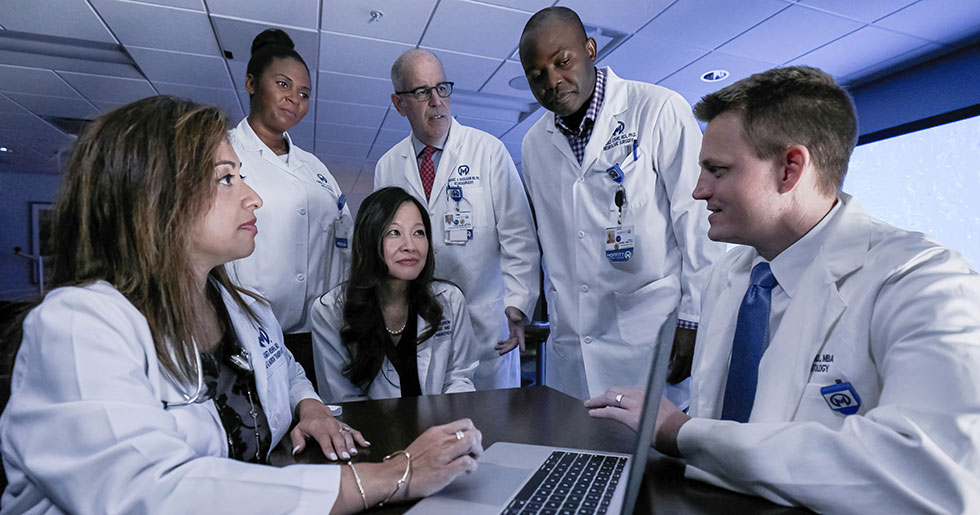
Seeking a second opinion is not just for the unsure or anxious—it’s a smart step for anyone who wants to feel confident in their diagnosis and care plan. This is especially important if you’ve received a new cancer diagnosis or have been told you don’t have cancer, but something still doesn’t feel right.
Here are specific situations where a second opinion from a specialized cancer center like Moffitt is strongly recommended.
Before Starting Treatment
If you’ve been recently diagnosed and haven’t begun treatment yet, this is the most important time to get a second opinion. Research shows that starting care at an NCI-Designated Comprehensive Cancer Center leads to better outcomes. In fact, five-year survival rates are up to four times better for patients who begin their treatment at these centers compared to those who start elsewhere.
If You Have a Rare or Unusual Cancer
Rare cancers are often unfamiliar to community providers. Moffitt’s high-volume cancer center gives providers the opportunity to routinely treat uncommon cancers, becoming better equipped to recognize subtle variations and determine the best path forward.
Your Cancer Is Advanced or Aggressive
Fast-growing or metastatic cancers require precise, expert-level coordination. At Moffitt, each patient’s case is reviewed by a multidisciplinary tumor board, where surgeons, oncologists, radiation specialists and others collaborate to craft the most effective, individualized plan.
You Have a Family History of Cancer Mortality
If a close family member didn’t survive the same type of cancer, you may share genetic factors that require a more customized approach. Moffitt offers advanced genomic testing and access to therapies that target those unique markers.
You Were Diagnosed at a Young Age
Younger adults facing cancer have unique medical and emotional needs. Moffitt’s Adolescent and Young Adult (AYA) program supports patients aged 15 to 39 with fertility preservation, psychosocial care, and survivorship planning that many other centers aren’t equipped to provide.
As an NCI-Designated Comprehensive Cancer Center, Moffitt Cancer Center is nationally recognized for our depth of expertise, research leadership, and high patient volumes. Our specialists have experience in diagnosing and treating all types of cancer, including rare and difficult-to-diagnose forms. More importantly, we know that cancer outcomes depend not only on when you start treatment—but where.
 The Only Florida-based NCI-designated Comprehensive Cancer Center
Recognized for its scientific excellence, Moffitt is the only National Cancer Institute-designated Comprehensive Cancer Center based in Florida.
Moffitt offers:
We make the process as smooth as possible, whether you're coming in person or starting virtually. Our team will review your current diagnosis, scans, and lab results, and may recommend additional testing if needed. From there, you'll receive a detailed assessment and, if necessary, an updated treatment plan that reflects the latest in cancer research and innovation.
If something doesn’t feel right—or if you just want reassurance—don’t hesitate to get another opinion. Ask your doctor how many patients like you they’ve treated. Ask about treatment options, clinical trials, and long-term outlooks. Your health is too important not to explore every avenue.