

HPV and Cancer
Key Takeaways
-
High-risk HPV strains can cause cervical, vaginal, vulvar, penile, anal and throat cancers.
-
Most early HPV-related cancers have no symptoms.
-
Vaccination and routine screenings are the best prevention tools.
-
Healthy habits help lower long-term cancer risk.
-
Moffitt offers expert care and clinical trials for HPV-related cancers.
Human papillomavirus (HPV) is one of the most common viral infections worldwide. Nearly all sexually active people will contract HPV at some point, often without any noticeable symptoms. In most cases, the body’s immune system will clear the infection on its own. However, if a high-risk HPV strain remains in the body, it can cause abnormal cellular changes that may develop into cancer over time.
According to the Centers for Disease Control and Prevention (CDC), human papillomavirus is responsible for more than 37,000 cancer cases each year in the United States. Nearly all cases of cervical cancer, and many cancers of the vagina, vulva, penis, anus and throat, are linked to an HPV infection.
Understanding how human papillomavirus contributes to cancer risk and how it can be prevented is essential to protecting long-term health and wellness.
How does HPV cause cancer?
Human papillomavirus spreads primarily through skin-to-skin contact during sexual activity, including vaginal, anal and oral sex. More than 100 types of HPV have been identified, but only a few are considered high-risk for cancer. The most dangerous strains—HPV-16 and HPV-18—are responsible for about 70% of HPV-related cancers.
When a high-risk HPV infection persists over time, it can interfere with normal cell growth and repair, sometimes leading to abnormal or precancerous changes. Because these cellular mutations typically develop gradually, vaccination and regular screenings can be highly effective for preventing cancer or detecting it early.
HPV and cervical cancer
Cervical cancer develops in the cells lining the cervix, the lower part of the uterus that connects to the vagina. Though relatively rare overall, it is the type of cancer most frequently associated with human papillomavirus in women. A persistent high-risk HPV infection can cause cellular changes in the cervix (cervical dysplasia) that may progress to cancer if left untreated.
Often referred to as a “silent” cancer, cervical cancer rarely causes noticeable symptoms in its early stages. When symptoms do appear, they may include abnormal vaginal bleeding, pelvic pain or discomfort during sexual intercourse. Because these warning signs often emerge only after the tumor has advanced, routine gynecologic examinations and awareness of potential symptoms are essential. The majority of cervical cancer cases are preventable, and when detected early, the cancer is often highly treatable.
HPV and vaginal cancer
Vaginal cancer develops in the lining of the vagina, most often due to a persistent infection with a high-risk strain of human papillomavirus, such as HPV-16. Over time, the virus can cause precancerous changes in the vaginal cells known as vaginal intraepithelial neoplasia (VaIN), which may progress into cancer if left untreated.
This uncommon form of gynecologic cancer primarily affects postmenopausal women, although it can occur at any age. Usually, early-stage vaginal cancer does not produce noticeable symptoms. However, as the tumor grows, it may begin to cause abnormal vaginal bleeding or discharge, pain during sexual intercourse or a lump or mass that can be felt in the vaginal area. Because these warning signs can be subtle, regular pelvic exams and prompt evaluation of any unusual bleeding or discomfort are critical to ensure early detection, when treatment is generally most effective.
HPV and vulvar cancer
Vulvar cancer develops in the external tissues of the female genital area (vulva). The primary cause is a persistent infection with a high-risk strain of human papillomavirus, such as HPV-16 or HPV-18. The infection can lead to precancerous cellular changes known as vulvar intraepithelial neoplasia (VIN), which may progress into cancer if left untreated.
The risk of vulvar cancer increases with age, with most cases affecting women older than 50. However, rising rates of HPV infection have contributed to a growing number of diagnoses among younger women. Common symptoms include persistent itching, burning, pain, skin thickening or discoloration and nonhealing sores in the genital area. Being aware of any unusual vulvar changes and maintaining regular gynecologic care are key to early detection. When identified early, vulvar cancer is highly treatable, and in many cases, precancerous lesions can be effectively managed before they become invasive.
HPV and penile cancer
Penile cancer develops in the skin or underlying tissues of the penis. Most cases are associated with a long-term infection by a high-risk strain of human papillomavirus, most commonly HPV-16. The virus can lead to precancerous changes known as penile intraepithelial neoplasia (PeIN), which can potentially develop into cancer over time.
Although penile cancer can occur at any age, it is most often diagnosed in men older than 60. It is especially common in uncircumcised males. Early warning signs can include discharge beneath the foreskin and skin changes, nonhealing sores and thickened or discolored tissue on the penis. When detected early, penile cancer is usually highly treatable, and practicing good genital hygiene can significantly reduce the risk. To help ensure early detection, it is important to promptly discuss any unusual changes in the penile tissues with a physician.
HPV and anal cancer
Anal cancer develops in the tissues of the anus. It is strongly associated with human papillomavirus infection, particularly high-risk strains such as HPV-16. The virus can cause abnormal cellular changes that lead to the development of precancerous lesions known as anal intraepithelial neoplasia (AIN), which may progress into cancer if left untreated.
Anal cancer can affect both men and women and is more common among those who engage in receptive anal intercourse, have a weakened immune system or have a history of HPV infection. Symptoms can include pain, itching, bleeding or a lump that can be felt near the anal opening, although early-stage anal cancer often has no noticeable signs.
Routine screening is recommended for people at heightened risk, as early detection can significantly improve the outcome. When found early, anal cancer can often be effectively treated with a combination of chemotherapy and radiation therapy.
HPV and oropharyngeal (throat) cancer
Oropharyngeal cancer—which affects the back of the throat, including the tonsils and base of the tongue—is now the most common HPV-related cancer in the United States overall. It is primarily caused by infection with HPV-16, and it occurs more frequently in men than in women.
Unlike other HPV-related cancers, oropharyngeal cancer cannot be easily detected through routine screening. Early symptoms may include a persistent sore throat, difficulty swallowing, vocal hoarseness, ear pain or a lump that can be felt in the neck. Because these warning signs can be similar to those of a minor illness, such as the common cold, throat cancer often goes unrecognized until it has progressed. Recent advances in treatment—including minimally invasive surgery, radiation therapy and immunotherapy—continue to improve outcomes for many patients with HPV-related throat cancer.
Preventing HPV-related cancers
HPV-related cancers are largely preventable through a combination of human papillomavirus vaccination, routine screenings and healthy habits.
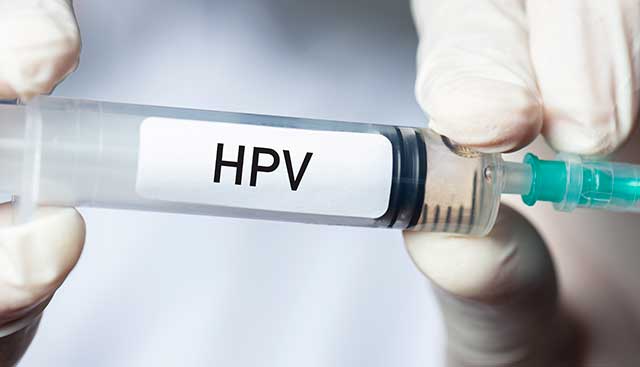
HPV Vaccination
The human papillomavirus vaccine is the most effective way to avoid contracting HPV, including the strains known to cause cancer. Vaccination is generally recommended for everyone through age 26, with routine doses typically given between ages 11 and 12. Individuals who were not vaccinated earlier can receive a catch-up vaccination up to age 26.For adults aged 27 to 45, vaccination may still be beneficial and is recommended on an individual basis after consulting with a healthcare provider.
Routine screenings
Periodic health screenings play a vital role in preventing HPV-related cancers. For women, Pap tests and HPV tests are essential tools for detecting abnormal or precancerous cervical cells before they progress into cancer. A Pap test can identify changes in cervical cells, while an HPV test can check for the presence of the high-risk HPV strains that may cause these changes. When performed at regular intervals—as determined by a physician based on the patient’s age and medical history—these screening tests can allow for early intervention and, in most cases, complete prevention of cervical cancer.
Individuals at higher risk for other HPV-related cancers, such as anal or oropharyngeal cancer, should talk with a physician about appropriate screening options. Depending on the patient’s personal risk factors and health history, this may include visual exams, anal Pap tests or specialized imaging or endoscopic procedures.
Routine screening and open communication with a physician are key steps in reducing the long-term risks associated with persistent HPV infection.
Healthy habits
While vaccination and routine screenings are the most effective ways to prevent HPV-related cancers, healthy lifestyle choices can further reduce risk and promote overall well-being. Simple habits can strengthen the immune system, lower the likelihood of persistent HPV infections and support long-term health.
Even small changes in daily routines can make a meaningful difference in the body’s ability to fight infection and repair cellular damage caused by human papillomavirus. Maintaining overall wellness can also improve the treatment outcome and recovery for those affected by cancer.
Healthy habits to help prevent HPV-related cancers include:
- Practice safe sex – Use protection every time and limit the number of sexual partners to reduce exposure to HPV and other sexually transmitted infections.
- Avoid tobacco and excessive alcohol use – Both smoking and drinking in excess can weaken the immune system and increase the risk of multiple cancers, including those linked to HPV.
- Support the immune system – Eat a balanced diet rich in fruits and vegetables, stay physically active, manage stress and get adequate sleep.
Awareness, prevention and proactive care are key to reducing the impact of HPV-related cancers. Although most human papillomavirus infections do not lead to cancer, early detection can be lifesaving. Staying current with vaccinations, screenings and regular medical checkups remains the most effective way to protect long-term health.
 The Only Florida-based NCI-designated Comprehensive Cancer Center
Recognized for its scientific excellence, Moffitt is the only National Cancer Institute-designated Comprehensive Cancer Center based in Florida.
Benefit from world-class care at Moffitt Cancer Center
If you have questions about HPV, cancer prevention or screening options, the experts at Moffitt are here to help. Our multispecialty team provides advanced diagnostic testing, individualized treatment and access to cutting-edge clinical trials for HPV-related cancers.
To learn more, you can request an appointment with a specialist at Moffitt by calling 1-888-663-3488 or completing our new patient registration form online. We do not require referrals. Early action and expert care can make all the difference in your health and well-being.