Who is a Good Candidate for Proton Therapy?
Proton therapy is an advanced form of radiation treatment that can target a tumor with unrivaled precision, effectively destroying cancerous cells while minimizing any radiation exposure to the surrounding healthy tissues. One of its most distinctive features is the ability to precisely “paint” a tumor, layer by layer, with a high-energy pencil beam, resulting in exceptional treatment accuracy with fewer side effects.
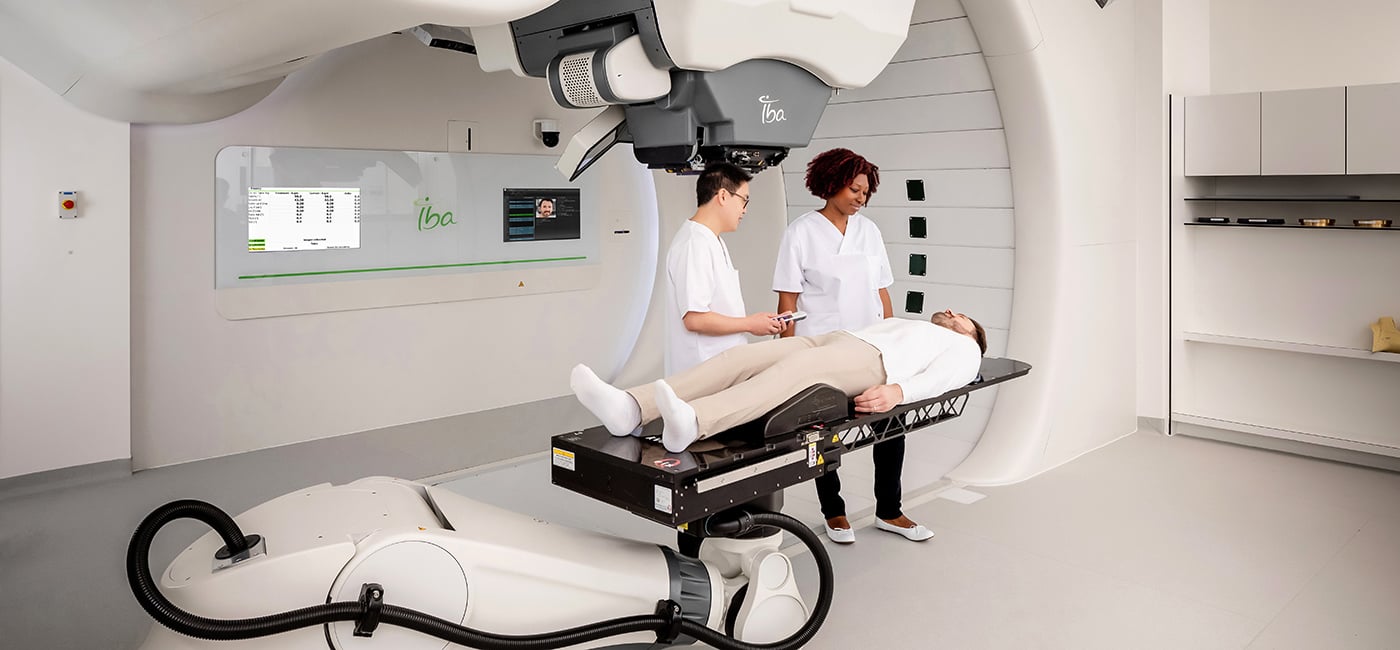
During proton therapy, a specialized team of physicians and physicists will carefully direct the proton beam to the treatment site, shaping it to match the exact size and contours of the tumor. The team continually adjusts the release of proton energy based on the depth of the tumor, delivering different amounts of radiation to different parts of the tumor as needed. The proton beam will deposit most of its energy at the end of its travel path within the tumor. Because the exit dose is eliminated, the risk of damage to nearby healthy tissues is greatly reduced.
When is proton therapy considered?
Proton therapy is beneficial for certain types of cancer where pinpoint accuracy is essential to reduce side effects and improve the patient’s outcome and quality of life. Although each patient is unique, this innovative therapy is sometimes recommended for tumors in delicate or difficult-to-treat areas of the body. It may also be a good option for a patient who is especially vulnerable to the side effects of traditional radiation therapy, such as difficulty swallowing, difficulty breathing, fatigue, nausea, or diarrhea.

In general, good candidates for proton therapy may include:
Patients with tumors near critical structures
Due to its accuracy, proton therapy can be especially beneficial for treating tumors located near vital organs and sensitive structures. These include:
- Brain tumors – Proton therapy can protect healthy brain tissues, reducing the risk of cognitive side effects.
- Head and neck cance – Proton therapy may be the preferred option for treating tumors near the spinal cord, eyes, mouth or salivary glands.
- Lung cancer – Proton therapy can spare neighboring structures, such as the heart, esophagus, spinal cord and brachial plexus, lowering the risk of radiation-induced toxicity, such as esophagitis, pneumonitis or cardiopulmonary impairment.
Patients with recurrent cancer
For patients who experience a cancer recurrence after receiving conventional radiation therapy, proton therapy may offer a second chance at treatment. Traditional radiation therapy can cause cumulative tissue damage, which may rule out or complicate the delivery of additional radiation due to the potential for severe side effects. On the other hand, proton therapy offers heightened precision, potentially allowing for effective treatment of a recurrent tumor while minimizing any exposure to the previously irradiated area.
Patients with certain types of breast, gastrointestinal, gynecological, or prostate cancer
Proton therapy is a highly precise radiation delivery technique that may be particularly well-suited for patients with:
- Breast cancer – Proton therapy may be a good option for a patient with an advanced or left-sided breast tumor, cardiovascular disease, permanent breast implants or breast reconstruction.
- Gastrointestinal cancer – Proton therapy is often used to treat esophageal cancer and primary liver tumors, as it can limit radiation exposure to vital digestive organs.
- Gynecological cancer – Proton therapy can match the precise shape and depth of a gynecological tumor, limiting the impact on the kidneys, bladder, bowel, pelvic bone marrow and other nearby tissues.
- Prostate cancer – Proton therapy can help preserve nearby structures, such as the bladder and rectum, reducing the likelihood of urinary and bowel complications.
Patients with bone or soft tissue sarcomas
Sarcoma often develops near major blood vessels, nerves and bones, making it challenging to treat with the necessary dose of radiation. Proton therapy allows for more focused and concentrated radiation delivery, which can effectively shrink a tumor while sparing important structures and minimizing any damage to the surrounding tissues. This can be crucial for maintaining mobility and function.
 Best Hospital in Tampa Bay
Voted "Best Hospital" in the Tampa Bay Times Best of the Best People's Choice Awards.
Benefit from world-class care at Moffitt Cancer Center
As a nationally recognized leader in cancer care, Moffitt is firmly positioned at the forefront of proton therapy, soon offering cutting-edge treatment to patients who may benefit from this advanced radiation approach. Our multispecialty team will develop a personalized treatment plan for each patient, tailored to their specific diagnosis and unique medical needs.
The experienced radiation oncologists at Moffitt will use the latest proton therapy technology to target tumors with unmatched precision, reducing side effects and improving long-term outcomes. With a commitment to research and innovation, Moffitt is also actively involved in clinical trials exploring new ways to enhance the effectiveness of proton therapy for a wide range of cancers.
 Medically reviewed by Lorraine Portelance, MD, Radiation Oncology Program.