
Chemotherapy for Breast Cancer
Breast cancer occurs when cells in the breast grow out of control and form a tumor. Most often, the abnormal cells develop in the milk ducts or lobules, but they can also spread into the surrounding breast tissues and, in some cases, to nearby lymph nodes or distant parts of the body. Breast cancer is not a single condition; rather, it includes multiple subtypes that behave differently and may respond to different therapies, which is why individualized treatment planning is so important.
In the United States, breast cancer is one of the most commonly diagnosed cancers. For 2026, the American Cancer Society estimates approximately 321,910 new cases of invasive breast cancer in women and about 60,730 new cases of ductal carcinoma in situ (DCIS), a noninvasive (in situ) form of the disease. Breast cancer also affects men, with an estimated 2,670 new cases of invasive breast cancer expected to be diagnosed in men in 2026.
While breast cancer can be serious, it is often treatable, and many patients can achieve long-term remission. For some, the cancer may be considered cured after appropriate treatment and follow-up, particularly when the tumor was diagnosed at an early stage and fully removed. For others, breast cancer can be managed for years using a combination of therapies designed to control tumor growth and preserve quality of life.
Treatment options for breast cancer may include:
- Surgery, such as lumpectomy or mastectomy
- Radiation therapy
- Chemotherapy
- Hormone therapy for hormone receptor-positive cancer
- Targeted therapy, such as HER2-directed drugs for HER2-positive cancer
- Immunotherapy in select cases, including some triple-negative cancers
- Clinical trials exploring emerging approaches
Chemotherapy is one of the most established drug-based treatments for breast cancer. It may be recommended before surgery, after surgery, or as the primary systemic treatment when breast cancer has spread or returned.

"Although we understood the severity of what I was dealing with, Dr. Susan Hoover promised and assured me that I was going to be on the other side of cancer in two years."
Tiffany, Breast Cancer Survivor
Request an AppointmentWhat is chemotherapy and how does it work?
Chemotherapy is a cancer treatment that uses powerful medications to destroy cancer cells or prevent them from reproducing. Because the drugs travel through the bloodstream, they can treat cancer cells that have spread beyond the breast to other parts of the body.
Chemotherapy works by targeting rapidly dividing cells and disrupting their growth. Cancer cells typically divide faster than normal cells, making them especially vulnerable to chemotherapy. However, some healthy cells also regenerate quickly, including those in the bone marrow, hair follicles and lining of the digestive tract. For this reason, chemotherapy often causes side effects, although most are temporary and manageable.
For breast cancer, chemotherapy usually involves a combination of drugs, such as anthracyclines, taxanes and platinum-based agents. The specific treatment regimen will be determined based on multiple factors, including the tumor stage and subtype, lymph node involvement and the patient’s genetics and overall health.
What are the goals of chemotherapy for breast cancer?
Chemotherapy can be used in several ways depending on the clinical situation and breast cancer subtype. The healthcare team will align the treatment plan with clear goals, such as controlling an advanced tumor or reducing the risk of recurrence.
Common goals of chemotherapy for breast cancer include:
- Shrinking the tumor before removal to improve the surgical outcome or increase the likelihood of successful breast-conserving surgery
- Eliminating microscopic cancer cells that remain after surgery to help prevent recurrence
- Treating cancer that has spread beyond the breast to nearby lymph nodes or other parts of the body
- Slowing or controlling metastatic breast cancer
- Reducing symptoms and improving daily function when breast cancer has advanced

Florida's Cancer Center of Excellence
Moffitt is a Cancer Center of Excellence by the state of Florida. The designation recognizes providers that exceed service standards and excel in providing quality, comprehensive and patient-coordinated care.
How is chemotherapy for breast cancer administered?
Usually, chemotherapy is given intravenously in an outpatient infusion clinic. While certain drugs can be taken by mouth, the most commonly used chemotherapy drugs for breast cancer are delivered through a vein.
Depending on the treatment plan, chemotherapy may be administered through:
- A standard IV line in the arm
- An implanted port placed under the skin for easier, more reliable access over multiple infusions
- A central venous catheter (in select cases)
Chemotherapy is typically delivered in cycles, which include active treatment days followed by rest days. The schedule will be established based on the drug combination, cancer type and patient’s response. Many patients receive chemotherapy once every one to three weeks for several months, but the timing can vary.
What to expect before, during and after chemotherapy for breast cancer
For some patients, chemotherapy may seem intimidating. Understanding the process ahead of time can reduce anxiety and help the patient feel more confident about the weeks ahead. Chemotherapy is usually coordinated by a multispecialty team that focuses on both treatment effectiveness and symptom management.
The breast cancer care team may include:
- A medical oncologist who directs systemic therapy
- Oncology nurses and infusion staff
- A breast surgeon and radiation oncologist, when indicated
- Radiologists and pathologists who help guide the diagnostic and staging processes
- Pharmacists who support safe drug management
- Supportive care specialists who can provide nutritional guidance, physical rehabilitation, pain management and mental health services as needed
Preparing for chemotherapy for breast cancer
Before chemotherapy begins, the healthcare team will confirm the treatment strategy and ensure the patient is fully prepared. Preparation often includes:
- A consultation to review the tumor characteristics and treatment goals
- Imaging studies and, in some cases, additional staging tests
- Blood work to evaluate liver and kidney function and measure blood cell counts
- A heart function evaluation, depending on the medications prescribed
- A discussion about fertility preservation, if chemotherapy may affect the patient’s reproductive health
- A review of the patient’s current medications and supplements to reduce the risk of drug interactions
- Port placement, if recommended for comfort and vein protection
- Education on anti-nausea medicines, infection precautions and symptom reporting
The healthcare team can also provide personalized guidance on nutrition, hydration and physical activity to support the patient’s strength before treatment begins.
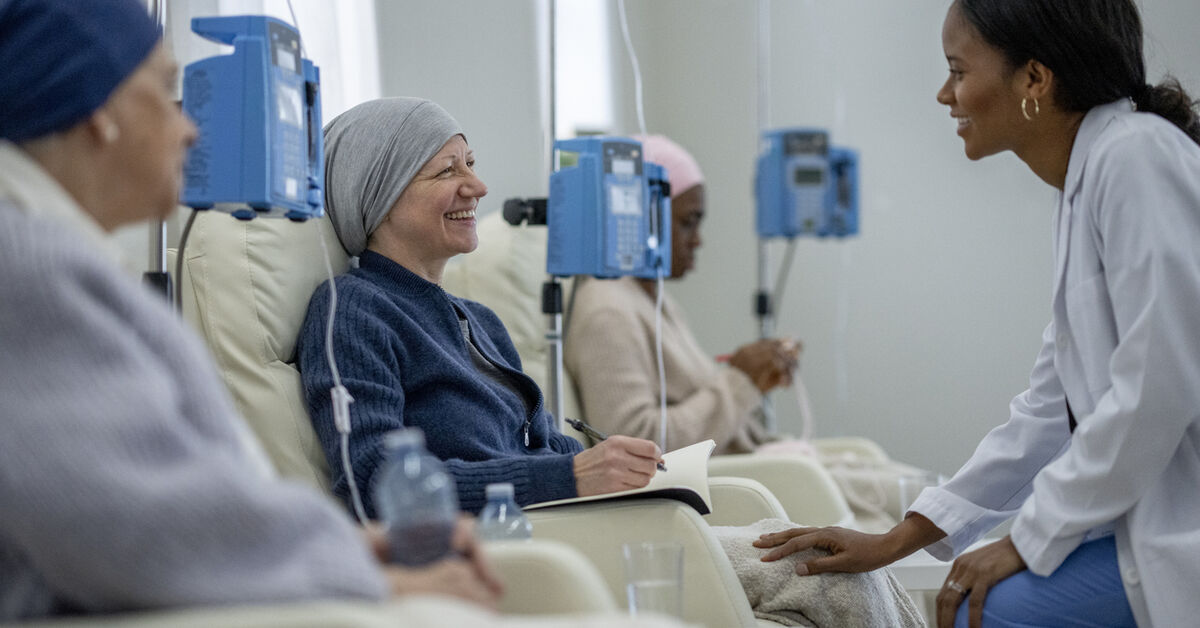
During chemotherapy for breast cancer
Chemotherapy is usually delivered in an outpatient setting, allowing most patients to go home on the same day. On treatment days, the patient can generally expect:
- Check-in and confirmation of the treatment plan
- Assessment of any symptoms that developed or worsened since the last cycle
- Review of vital signs and lab results, if needed, to confirm it is safe to proceed
- Premedications to help prevent nausea, allergic reactions and other infusion-related effects
- Chemotherapy infusion, which may take up to several hours, depending on the treatment regimen
- Observation and supportive care to ensure comfort and safety
Many patients find it helpful to bring some personal items, such as a sweater, water, snacks and something to occupy their time, such as a book, headphones or a tablet.
After chemotherapy for breast cancer
Typically, chemotherapy for breast cancer is structured as a series of cycles. Between cycles, the healthcare team will monitor the patient’s treatment tolerance and response while their body works to rebuild healthy cells.
At home between treatments, the patient may be instructed to:
- Maintain proper hydration and balanced nutrition, especially if their appetite is reduced
- Incorporate light exercise, such as walking, as tolerated
- Take prescribed medications for nausea, constipation or other symptoms
- Watch for fever, unusual bruising, severe fatigue or shortness of breath
- Take steps to prevent infection, especially if their white blood cell count is low
- Keep follow-up appointments for lab work and symptom checks
If the patient notices any side effects, they should contact the healthcare team right away instead of waiting for the next scheduled appointment. Early symptom reporting can help prevent complications and keep the treatment schedule on track.

#1 Cancer Hospital in Florida
Moffitt is the top-ranked cancer hospital in Florida and the Southeast and ranked No. 15 in the nation in Newsweek’s “America’s Best Cancer Hospitals."
What are the possible side effects of chemotherapy for breast cancer?
The side effects of chemotherapy can vary widely depending on the medications prescribed and the dosage, intensity and duration of treatment. A well-established and proven cancer treatment, chemotherapy works by targeting rapidly dividing cancer cells, but it can also affect healthy cells that naturally divide quickly. This impact on healthy cells is what causes many of the common side effects associated with the treatment.
Common side effects of chemotherapy for breast cancer
Many people experience at least some short-term side effects of chemotherapy, especially during the first few cycles as the body adjusts. Common symptoms include:
- Fatigue – A persistent low-energy feeling may not improve with rest.
- Nausea or vomiting – Some drug regimens may cause stomach upset, although preventive medications often help significantly.
- Hair thinning or hair loss – Depending on the medications used, hair may fall out gradually or more quickly, but typically regrows after treatment.
- Lowered white blood cell counts – Neutropenia can increase the risk of infection and may require additional monitoring or growth factor support.
- Anemia – Low red blood cell counts may cause weakness, dizziness or shortness of breath.
- Easy bleeding – Low platelet counts may lead to bruising or nosebleeds.
- Mouth sores – Tenderness, ulcers or sensitivity in the mouth can make eating and drinking uncomfortable.
- Changes in sense of taste – Some foods may taste metallic, bland or unusually strong, which can affect appetite.
- Digestive changes – Constipation or diarrhea may occur depending on the regimen and medications.
- Numbness or tingling – Some chemotherapy drugs can irritate nerves, causing unusual sensations in the hands and feet.
Possible long-term and late-onset side effects of chemotherapy for breast cancer
Some effects of chemotherapy may persist after treatment ends or appear months or even years later. Not every patient will experience long-term side effects, and the risk can vary depending on the specific drugs used.
Possible long-term or late-onset effects of chemotherapy include:
- Ongoing neuropathy – Nerve-related symptoms, such as tingling, burning or reduced sensation, may continue, especially with certain medications.
- Heart health changes – Some chemotherapy drugs can affect cardiac function, which is why monitoring may be recommended in certain cases.
- Infertility or early menopause – Chemotherapy can impact ovarian function and may lead to infertility or menopause-related symptoms in premenopausal patients.
- Cognitive changes – Some people report issues with concentration, memory or multitasking, sometimes referred to as “chemo brain.”
- Bone health concerns – Certain therapies can lead to early menopause or contribute to decreased bone density over time.
- Secondary cancers – Though rare, chemotherapy can slightly increase the risk of developing another cancer later in life.
The healthcare team will explain the patient’s individual risk profile, track key health indicators over time and recommend strategies to support long-term wellness.
How to manage daily life during chemotherapy for breast cancer
Although chemotherapy may impact day-to-day activities, many patients find that small adjustments can help them feel better and maintain their independence during treatment. Practical strategies include:
- Prioritizing protein and caloric intake – The patient should choose nutrient-dense foods and consider smaller, more frequent meals if their appetite is reduced.
- Staying active when possible – Light exercise can help reduce fatigue, improve mood and maintain strength.
- Preventing infection – Frequent handwashing, avoiding large crowds and monitoring for fever are especially important when white blood cell counts are low.
- Protecting energy – Many patients find it helpful to plan important tasks for their “best” times of day and accept help with meals, rides and household chores.
- Supporting sleep quality – The patient should try to maintain a consistent sleep schedule and talk with the healthcare team if discomfort, anxiety or medication effects interfere with rest.
- Attending follow-up visits – Periodic lab work and consultations can allow the healthcare team to adjust the treatment plan as needed and intervene early when issues arise.
- Maintaining open communication – Prompt reporting and management of any side effects can help keep the patient as comfortable and functional as possible.
Benefit from world-class care at Moffitt Cancer Center
Breast cancer is common, and its treatment is continually improving. The best results are often achieved with individualized care delivered by experienced specialists. At Moffitt, our patients benefit from a coordinated team approach, advanced diagnostic capabilities and access to investigational therapies through our robust portfolio of clinical trials. Moffitt’s Don & Erika Wallace Comprehensive Breast Program supports research-driven care, allowing our patients to explore emerging treatments that may not be available in other settings.
Moffitt is a National Cancer Institute (NCI)-Designated Comprehensive Cancer Center, a distinction we earned by meeting rigorous standards for cancer care, research and education. This designation reflects our commitment to innovation, multispecialty collaboration and comprehensive support services that address the full patient experience.
Chemotherapy for breast cancer is available at all Moffitt locations, and we do not require referrals. If you would like more information, you can request an appointment with a specialist at Moffitt by calling 1-888-663-3488 or submitting a new patient registration form online.