
Small Cell Lung Cancer Overview
There are two main types of lung cancer: small cell (SCLC) and non-small cell (NSCLC). Both are characterized by rapid and uncontrolled cell growth in the tissues of the lungs, the primary organs of the body’s respiratory system.
Accounting for approximately 15 to 20% of all lung cancer cases, SCLC is less common—and more aggressive—than NSCLC. Because SCLC cells exhibit features of both nerve cells and hormone-secreting (endocrine) cells, the condition is classified as a neuroendocrine carcinoma.
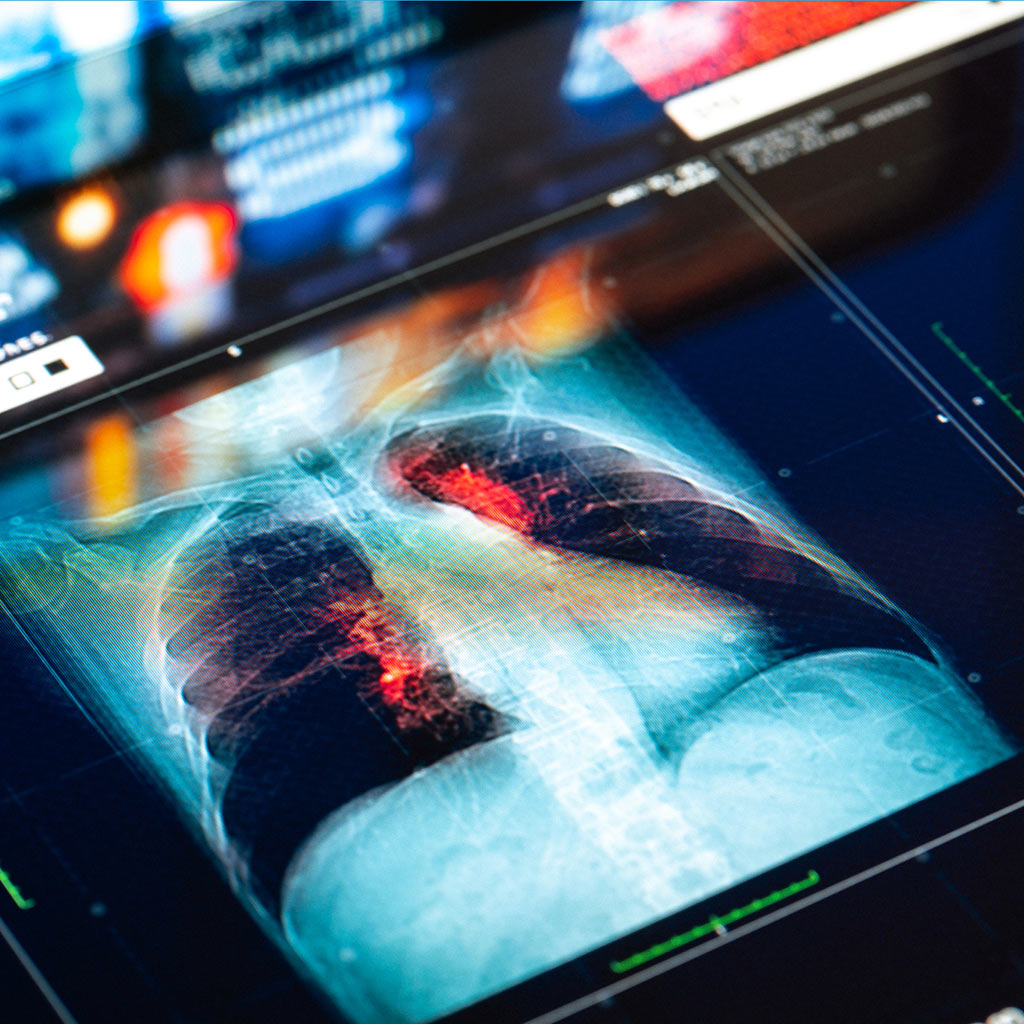
Get Expert Guidance for Lung Cancer
Get Expert Guidance for Lung CancerWhat are the types of small cell lung cancer?
Based on its extent and spread, SCLC can be categorized as one of two types:
- Limited-stage SCLC – The cancer is confined to one side of the chest. In addition to the lung where it originated, cancer may be found in the area between the lungs or in the lymph nodes above the collarbone.
- Extensive-stage SCLC – The cancer has spread beyond the side of the chest where it began to distant tissues or organs.
If SCLC comes back after treatment, it is known as recurrent small cell lung cancer. The cancer may recur in the chest, the central nervous system or another part of the body.
What causes small cell lung cancer?
The predominant cause of SCLC is exposure to the carcinogenic chemicals found in tobacco smoke. In fact, the vast majority of affected individuals are current or former heavy cigarette smokers or have a history of chronic exposure to secondhand smoke.

Although researchers have confirmed that carcinogens in tobacco smoke can directly damage cellular DNA, the exact sequence of events that transforms those DNA changes into cancer is not yet fully understood. Scientists believe the process involves an accumulation of genetic mutations over time that disrupts normal cell controls, allowing damaged cells to grow, divide and survive when they should not. As these abnormal cells continue multiplying, additional changes can occur that help them invade nearby tissues and, in some cases, spread to other parts of the body.
Tobacco-related DNA damage may affect genes that normally regulate cell growth, repair DNA errors or trigger cell death when damage is too severe. When these protective mechanisms fail, cells may begin to divide unchecked and form a tumor. Researchers are also studying how chronic inflammation, changes in the surrounding tissue environment and individual differences in genetic susceptibility may influence whether DNA damage progresses to cancer.
What are the risk factors for small cell lung cancer?
Tobacco use is the leading cause of SCLC, and the risk increases with:
- The number of cigarettes smoked per day
- The number of years the individual has smoked
- How young the individual was when they started smoking
Even after smoking for many years, quitting tobacco can significantly lower the risk of lung cancer over time. Smoking cessation can also support overall health and reduce the risk of many other types of cancer.
In addition to smoking, prolonged exposure to secondhand smoke at home, at work or in other shared environments can also raise the risk of lung cancer. While the risk is lower than with active smoking, repeated exposure over time can still be harmful because secondhand smoke contains many of the same cancer-causing chemicals as smoke inhaled directly into the lungs.
In addition to tobacco smoke, other exposures and health conditions can increase the risk of lung cancer. These include:
Radon
Radon is a naturally occurring radioactive gas that can accumulate indoors, particularly in the basement and lower levels of a home. Long-term exposure is a known risk factor for lung cancer, and the risk increases even more for people who also have exposure to tobacco smoke, since the combined effects can further damage lung tissues over time.
Certain occupational and environmental hazards
Harmful substances found in some workplaces can damage lung tissues at the cellular level. Examples include:
- Asbestos
- Diesel exhaust
- Arsenic, chromium, nickel, cadmium and other industrial metals
- Silica and coal dust
Individuals who work in construction, manufacturing, mining, shipbuilding and other industrial settings may be particularly susceptible. To reduce the risk, it is essential to adhere to workplace safety standards and use personal protective equipment (PPE) as appropriate.
Rated High Performing in Lung Cancer Surgery
Schedule an AppointmentPrior radiation therapy delivered to the chest
Patients who previously received radiation therapy to the chest for another cancer may face an increased risk of developing lung cancer later in life. The risk is even higher for those who also smoke.
Chronic lung disease
Certain long-term lung conditions, including chronic obstructive pulmonary disease (COPD) and pulmonary fibrosis, are associated with an increased risk of lung cancer. This may be due to chronic inflammation in the lungs and overlapping risk factors, such as smoking.
Genetics
A family history of lung cancer may elevate the risk of developing SCLC. Scientists believe this increased risk may be linked to inherited genetic factors, shared environmental exposures, such as smoking, or a combination of both.
What are the symptoms of small cell lung cancer?
The warning signs of SCLC can vary widely based on several factors, including the location and size of the tumor and whether the cancer has invaded nearby tissues or spread to distant parts of the body. In its early stages, small cell lung cancer is often completely asymptomatic or causes only very mild symptoms, such as occasional coughing. Typically, additional symptoms become apparent as the cancer progresses.
In many cases, the first noticeable sign of SCLC is a persistent cough, which may be accompanied by:
- Chest pain that worsens with coughing, laughing or deep breathing
- Shortness of breath
- Wheezing
- Coughing up blood
- Vocal hoarseness
- Difficulty swallowing
- Reduced appetite
- Unintended weight loss
- Unexplained fatigue
- Facial swelling
- Recurrent lung infections, such as pneumonia or bronchitis
The signs of metastatic small cell lung cancer can vary based on the specific tissues and organs affected, such as the:
- Lymph nodes – Small, painless lumps under the skin
- Brain – Headaches, dizziness, double vision, seizures and tingling sensations in the arms, hands, legs or feet
- Liver – Yellowing of the whites of the eyes and skin (jaundice)
- Bones and bone marrow – Bone and joint pain
Some patients also develop paraneoplastic syndromes, which can result from an abnormal immune system response to SCLC. This can occur if white blood cells, which normally protect the body against viruses, bacteria and other foreign invaders, inadvertently attack healthy tissues.
Paraneoplastic syndromes can also develop due to the elevated hormone production that often accompanies small cell lung cancer. One example is inappropriate antidiuretic hormone secretion, which is characterized by excessive production of a hormone that reduces urination. This can lead to water retention and low sodium levels and ultimately cause fatigue, lethargy and confusion. Paraneoplastic syndromes can also cause neurological issues, such as numbness, weakness and confusion.
How is small cell lung cancer diagnosed?
If SCLC is suspected based on the symptoms, the physician will typically perform a thorough clinical evaluation and order specialized testing. Often, the diagnostic process begins with a chest X-ray, which may reveal a suspicious mass in the lung. If so, the physician may order follow-up imaging—such as a computed tomography (CT) scan, a positron emission tomography (PET) scan, a magnetic resonance imaging (MRI) scan or a bone scan—for further detail.
The next step is to determine whether the mass is cancerous and, if so, identify its specific type. To do so, the physician will order a biopsy, which involves collecting a small sample of the suspicious tissue for microscopic examination by a pathologist. To obtain the sample, the physician may recommend a bronchoscopy or fine needle aspiration (FNA). During a bronchoscopy, the physician will insert a bronchoscope through the patient’s mouth and into the affected lung to remove a small amount of tissue. During an FNA, the physician will insert a thin, hollow needle directly into the tumor. Using a syringe attached to the needle, the physician will withdraw a small sample of tissue and fluid from the tumor.
The physician may also order a mediastinoscopy to determine whether the cancer has spread to the lymph nodes in the middle of the chest. After making a small incision near the top of the breastbone, the surgeon will pass a small, thin tube with a camera attached (mediastinoscope) behind the breastbone and along the windpipe to view and obtain tissue samples from the mediastinum, which is the area between the lungs in the central region of the chest.
How is small cell lung cancer treated?
The specific therapies used to treat SCLC can vary depending on multiple factors, including the size and stage of the tumor and the extent of its spread, as well as the patient’s age, symptoms and overall health.
Treatment options for limited-stage small cell lung cancer
If the cancer is limited to one small lung tumor, surgical removal may be considered. Usually, surgery is followed by chemotherapy to help reduce the risk of recurrence. In general, this treatment approach is appropriate only if the cancer has not spread beyond the lung where it originated. Because SCLC typically progresses very rapidly, the tumor has usually spread at least to the nearby lymph nodes or other areas of the chest by the time it is diagnosed.
More often, limited-stage SCLC is treated with chemoradiation, which involves the simultaneous administration of chemotherapy and radiation therapy. If this relatively aggressive treatment approach is ruled out due to the patient’s health, chemotherapy may be administered first, followed by radiation therapy to the chest.
Treatment options for extensive-stage small cell lung cancer
If SCLC has spread throughout the body, surgery and radiation therapy will generally be of limited benefit. Instead, the cancer may be treated systemically with chemotherapy, which may be followed by radiation therapy to the chest.
Benefit from world-class care at Moffitt Cancer Center
Moffitt is firmly positioned at the forefront of lung cancer treatment. We are proud to offer the latest surgical procedures, chemotherapy regimens and radiation delivery techniques, along with a robust portfolio of clinical trials. The multispecialty team in our Thoracic Oncology Program includes thoracic surgeons, medical oncologists, radiation oncologists and supportive care specialists who focus exclusively on lung cancer treatment, ensuring our patients benefit from highly specialized expertise. Working together, we develop an individualized treatment plan for each patient based on their specific needs and goals.
If you would like to learn more about small cell lung cancer, you can request an appointment with a specialist at Moffitt by calling 1-888-663-3488 or submitting a new patient registration form online. We do not require referrals.
Small Cell Lung Cancer