
Stomach Cancer Surgery
 Medically reviewed by Michael Wach, MD, and Jose Pimiento, MD, Gastrointestinal Oncology Program.
Stomach cancer surgery may be recommended in conjunction with other treatments, such as chemotherapy, radiation therapy or molecular targeted therapy, to address gastric cancer. To determine whether a patient is a surgical candidate, several key factors will be considered, including the type, size, location, grade and stage of the tumor, as well as the patient’s age and general health.
Surgical options for stomach cancer
If a tumor is determined to be removable (resectable), a surgeon may recommend one of the following types of stomach cancer surgery.
Endoscopic resection
Endoscopic resection is most commonly used for early-stage stomach cancers with a low chance of metastasis to the lymph nodes. This procedure is done using an endoscope – a long tube with a camera on the end – which is passed down the throat into the stomach. Small, intricate surgical tools can be passed through the endoscope to remove the tumor and surrounding tissue.
Partial gastrectomy
This procedure is used when the cancer is located in only part of the stomach. Only part of the stomach is removed during a partial gastrectomy, leaving the unaffected portion of the stomach to be reattached to make eating easier following surgery. Sometimes part of the esophagus or small intestine may be removed, as well as nearby lymph nodes and possibly other organs.
Total gastrectomy
This procedure is recommended if the cancer has spread throughout the stomach (it is sometimes necessary if the cancer is in just part of the stomach, such as when it is in the upper part of the stomach near the esophagus). The difference between a total gastrectomy and a partial gastrectomy is that this procedure involves the removal of the entire stomach. The end of the esophagus is connected to the small intestine to allow for food passage.
Proximal gastrectomy
This procedure is used for very small/early tumors at the top of the stomach near the junction between the esophagus and stomach. A small portion of the lower stomach is preserved to help maintain some of the functions of the stomach. Significant acid reflux could be a side effect of this operation.
Robotic surgery
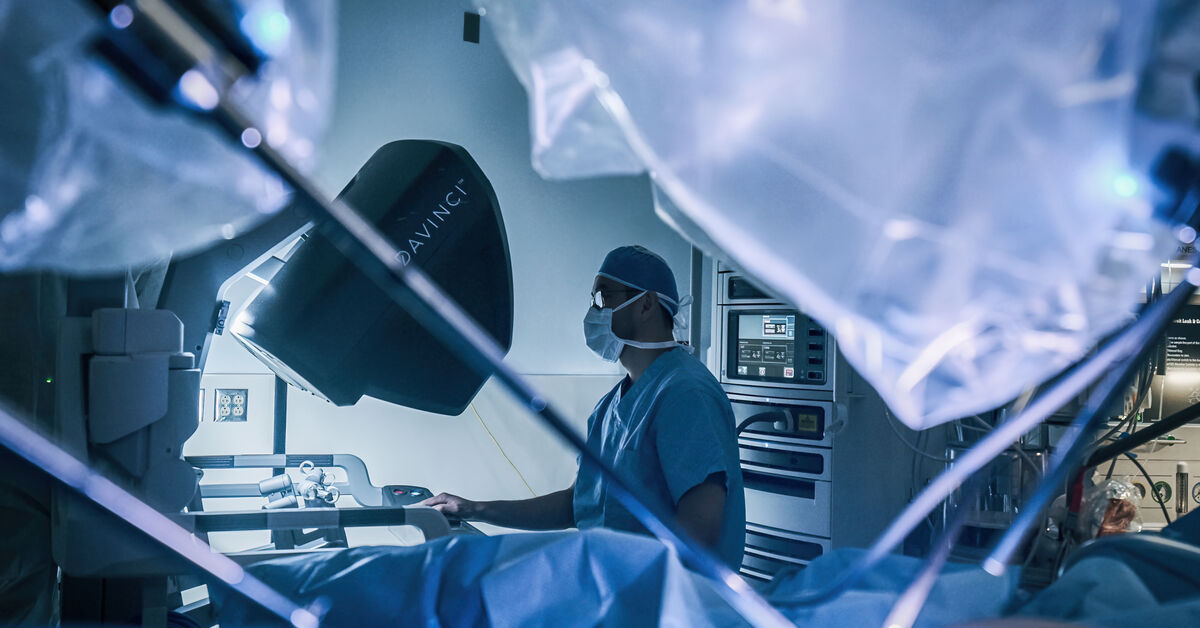
Minimally invasive techniques are routinely used to treat gastroesophageal cancers. Robotic surgery allows surgeons to effectively remove the cancer while minimizing scarring, reducing pain and helping patients recover more quickly. A surgical oncologist may also recommend a prophylactic robotic gastrectomy, the removal of the entire stomach before cancer develops, for patients at very high risk of developing stomach cancer.
ACS Surgical Quality Partner for 30+ Years
Continuously Accredited by the American College of Surgeons Commission on Cancer since 1989 for our commitment to providing comprehensive, high-quality and multispecialty patient-centered care.
Hyperthermic (heated) intraperitoneal chemotherapy (HIPEC)
A surgical approach that can be used for select patients to treat tumors that have spread inside the abdominal cavity, known as peritoneal disease. HIPEC is administered in a single session that takes place immediately after the surgical procedure is completed and allows for a higher concentration of the drug to reach the tumor. At times, when the amount of peritoneal disease is small, our team may perform minimally invasive HIPEC before gastrectomy.

Stomach Cancer Outcomes
The primary aim of cancer treatment is to attain the best possible outcome with minimal side effects, ensuring the highest quality of life for the patient. On average, Moffitt's stomach cancer treatment survival rates exceed 1.5 times the national average.
Surgical options for unresectable stomach cancer
Alternatively, if a nonremovable tumor is causing symptoms of blocking the stomach and inhibiting digestion, a surgeon may recommend one of the following types of stomach cancer surgery.
Stent placement
With this procedure, a stent is placed between the stomach and small intestine, or between the stomach and the esophagus. A stent is a thin, hollow tube that is used to keep the passageway to the stomach open to allow the passage of food.
Endoscopic tumor ablation
A surgeon can use an endoscope (a long tube with a camera on the end) to vaporize part of a stomach tumor using a focused laser beam. For gastric cancers, tumor ablation alone rarely provides long-term improvement.
Endoscopic or surgical bypass
In some cases, when the stomach is blocked by a tumor, a bypass can help. A bypass works by sending food around the blockage to another part of the intestines. Sometimes this can be done using an endoscope (a flexible tube with a camera) in a minimally invasive fashion without external cuts, but in other cases, surgery is needed to rearrange the intestines and help food pass through. Even when surgery is not expected to cure the cancer, a bypass procedure can help relieve nausea and vomiting, allow patients to eat again, and make it possible to receive additional treatments.

Top 1% of Cancer Hospitals
Schedule an AppointmentWhat to Expect During Stomach Cancer Surgery Recovery
If you are feeling anxious about your upcoming surgery, knowing exactly what your recovery will look like is one of the best ways to put your mind at ease. Recovering from stomach cancer surgery generally takes a few weeks because your digestive system needs time to heal. Depending on whether you have a partial or total gastrectomy, you can expect a hospital stay of several days to about a week. Having your procedure performed by an experienced surgical team at a high-volume cancer center gives you the best chance at minimizing complications and achieving a successful outcome.
As with any major operation, stomach cancer surgery carries potential side effects. In the days and weeks following your procedure, it is common to experience temporary pain, nausea, heartburn, diarrhea, and fatigue. For most patients, these issues are not serious and will gradually fade. Your care team can prescribe medications to keep you as comfortable as possible while you heal. Be sure to let your physician know if your symptoms are not improving.
Because your digestive system is fundamentally altered, your body will need time to adjust. Some patients experience weight loss during this period. While you will eventually be able to eat a variety of foods, it may take a few months to fully understand which foods agree with you. Depending on your specific procedure, you will also need to make lifestyle adjustments, such as adopting a modified diet and taking daily vitamin supplements to ensure your nutritional needs are consistently met.
Why Choose Moffitt for Stomach Cancer Surgery?
Patients who undergo stomach cancer surgery at Moffitt Cancer Center are the focus of a multispecialty team of world-class surgeons and other cancer experts. Our talented tumor board collaboratively discusses the patient’s case on a weekly basis and refines treatment as necessary to ensure the highest level of individualized care. We understand that gastric cancer can have a significant impact on every aspect of a patient’s life, and we are committed to doing everything possible to help our patients cope and adjust.
Additionally, because stomach cancer surgery is highly complex and specialized, a patient’s greatest chance for a successful outcome is with a surgeon who has extensive experience and refined skills. The data is clear that higher volumes of cases by a surgeon are associated with better outcomes. Moffitt treats a high number of gastric cancer patients. As a result, our surgeons perform many intricate procedures each year and achieve better outcomes than most other cancer centers. Moffitt’s scientists and clinicians have pioneered many improvements in stomach cancer treatment, and every day we gain ground in finding a cure.
For more information about stomach cancer surgery and other treatment options, call 1-888-663-3488 or complete a new patient registration form. We accept patients with and without referrals.
Helpful links:

Services and features at Moffitt McKinley Hospital include:
- Surgery operating and recovery rooms
- Radiology/diagnostic imaging
- Pathology and laboratory
- Publix Pharmacy
- Ancillary clinical services
- Patient and Family Center
- Café and cafeteria
- Gift shop