


Follow us on X for the latest news from the Hematology/Oncology Fellowship Program.
Hematology/Oncology Fellowship

Moffitt's Hematology and Medical Oncology Fellowship Program has two primary goals:
- Train fellows who have a strong desire and aptitude for an academic career involving basic science or clinical/translational research, teaching and patient care
- Train outstanding hematologists and medical oncologists who will contribute to future knowledge about the prevention, diagnosis and treatment of cancers and blood diseases.
For those trainees who have an interest in an academic career, the training program will provide comprehensive training in a broad spectrum of areas of basic laboratory and clinical research designed to provide the fellows with an opportunity for a successful career as a medical educator and researcher.
Program Philosophy
Medical oncology and hematology subspecialty practitioners and consultants must have a strong background in the scientific basis of the subspecialty. Thus, all trainees must have substantive exposure to the methods and conduct of clinical and/or basic research.
Fellows are educated and counseled in a manner designed to promote a continuing, life-long commitment to reinforcing and updating their knowledge of basic pathophysiology and recent diagnostic and therapeutic advances.
Fellows also must participate in fostering advances in knowledge about diagnosis, prevention and treatment of neoplastic and hematologic disorders by conducting and supporting clinical investigation.
Message from the Director
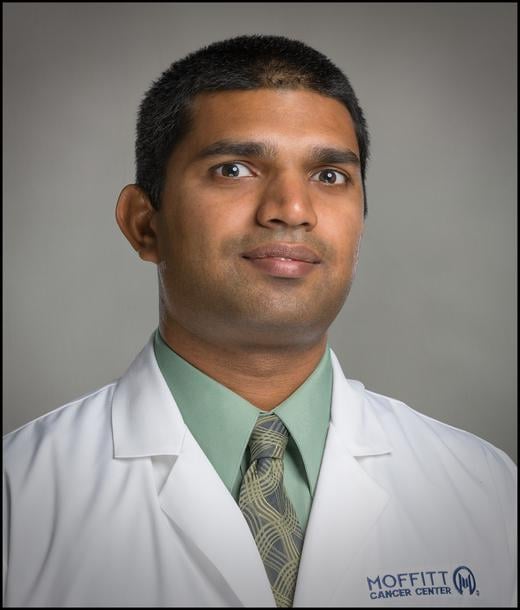 Our program offers an extraordinary and dynamic tri-institutional training experience, uniting the strengths of Moffitt Cancer Center, Tampa General Hospital and James A. Haley Veterans’ Hospital. Through this unique collaboration, fellows gain exposure to a wide spectrum of hematologic and oncologic diseases across diverse patient populations and care settings, from cutting-edge academic cancer research to high-acuity inpatient care and comprehensive hematology/oncology veteran services.
Fellows benefit from a thoughtfully designed curriculum that includes specialized rotations in areas such as bone marrow transplantation, CAR-T cell therapy, personalized medicine, transfusion medicine, phase I clinical research and molecular pathology, broadening clinical acumen and deepening expertise in complex, multidisciplinary care.
The program emphasizes early, individualized mentorship and guided project selection. This strong foundation in academic development is supported by a rich research environment, enabling fellows to contribute meaningful scholarship, publish in high-impact journals and showcase their work at leading national and international conferences.
To further support career customization, our program offers four distinct training tracks: BMT & Cellular Immunotherapy, Clinical Educator, Clinical Investigator and Laboratory Investigator, each designed to nurture the skills and experiences necessary for success in a variety of academic, clinical and research-focused career paths.
We invite you to join a collaborative, intellectually vibrant and patient-centered fellowship that will prepare you to become a future leader in hematology and oncology.
- Michael Jaglal, MD, MS
Meet Our Program Leaders
 Program Director
Michael Jaglal, MD, MS
Senior Member, Moffitt Cancer Center
Professor of Medicine
Morsani College of Medicine, University of South Florida
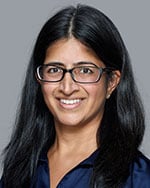 Site Director, James A. Haley Veterans Hospital
Gopi Prithviraj, MD
Assistant Professor of Medicine, University of South Florida Morsani College of Medicine
GME Program Administrator
Kaitlin Bressler
12902 USF Magnolia Drive, CSB2-GME
Tampa, FL 33612
Kaitlin.Bressler@Moffitt.org
Associate Program Directors
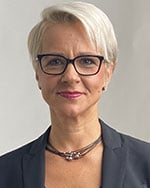 Mihaela Druta MD
Vice Chair, Sarcoma Department
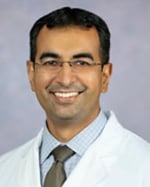
Noman Ashraf, MD
Associate Professor of Medicine
Department of Hematology Oncology
University of South Florida and Fellowship Site Director, Tampa General Hospital
Research Program Resources
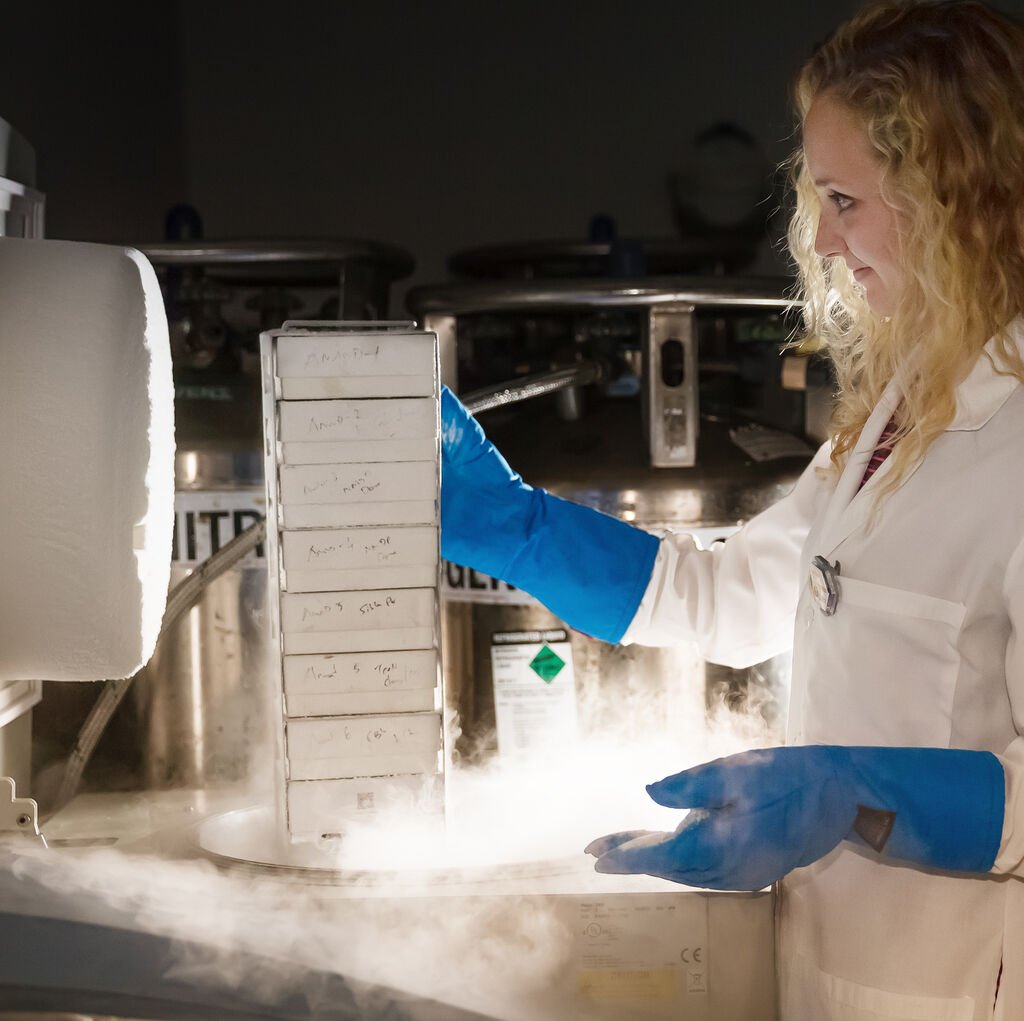
We strongly promote academic research tracks for our Hematology/Medical Oncology fellows. Our academic basic and clinical/translational research career training tracks are flexible, but they often may require a commitment of at least one year beyond the time required for board certification, although trainees still will be eligible to take their ABIM subspecialty board exams after two years (for only Hem or only Onc eligibility) or three years (for both Hem and Onc eligibility).
Sometimes, the additional years of training can be accomplished with faculty appointments, first at the Instructor level and subsequently at the Assistant Professor level, as long as there is sufficient protected time provided for the trainee's research career development. We also provide opportunities for fellows on the ABIM Research Track to have four to five years of fellowship training.
Learn About Research ResourcesMore About Our Fellowship Program
Discover more about our outstanding fellowship program at Moffitt Cancer Center, the first NCI-designated comprehensive cancer center in Florida.
Note: While our program prepares fellows to become board-certified in both Hematology and Oncology, it is not mandatory for graduates to become board-certified in both Hematology and Oncology. Single board in either Hematology or Oncology is acceptable.