
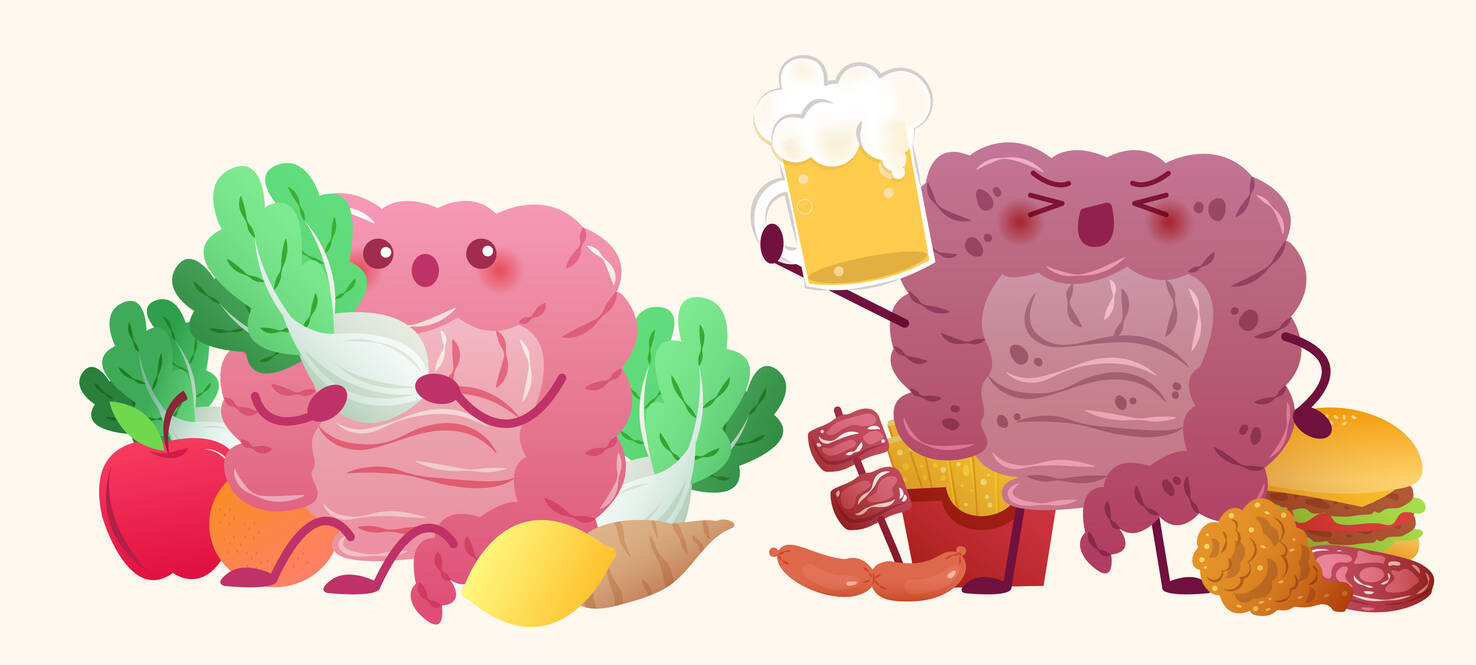
How Diet Can Help Lower Your Risk of Colorectal Cancer
What we eat each day does more than fuel our bodies. It can also influence our risk of developing colorectal cancer. Researchers have spent decades studying the connection between diet and cancer. Their findings consistently show that certain dietary patterns increase risk, while others appear to offer protection.
“The most compelling evidence comes from large, long-term epidemiological studies and meta-analyses showing consistent associations between certain dietary patterns and colorectal cancer risk,” said Sylvia Crowder, PhD, a diet and nutrition researcher in the Department of Health Outcomes and Behavior at Moffitt Cancer Center. “The link between high consumption of processed and red meats and increased colorectal cancer risk is one of the most robust findings in cancer epidemiology.”

Diets low in fiber, particularly from whole grains, fruits and vegetables, are also repeatedly associated with higher colorectal cancer risk.
Why Diet Matters
Researchers say the digestive system’s direct exposure to food helps explain why diet plays such a large role in colorectal cancer risk.
“Colorectal cancer is uniquely influenced by diet because the digestive tract is in constant, direct contact with the foods we eat and the metabolites produced during digestion,” Crowder said. “The colon is also home to trillions of microbes that interact with dietary components, shaping inflammation, immune responses and the production of potentially harmful or protective compounds.”
This interaction between food, digestion and the gut microbiome means dietary choices can influence colon health over time.
Foods That Raise and Lower Risk
According to Nagi Kumar, PhD, a cancer prevention researcher in the Cancer Epidemiology Department at Moffitt, several lifestyle factors contribute to colorectal cancer risk.
“Most colorectal cancers, including early-onset cases, are associated with modifiable risk factors,” Kumar said. “Research over the past decades has consistently shown that factors such as obesity, poor-quality diets, sedentary lifestyle, cigarette smoking and alcohol consumption increase colorectal cancer risk.”

Many studies, including a 2021 report published in Cancer Discovery, have found that diets high in red meats such as beef, pork and lamb, as well as processed meats like bacon, hot dogs and deli meats, is linked to higher colorectal cancer risk. Heavy alcohol consumption also increases risk.
On the other hand, Kumar says, diets rich in dietary fiber, calcium and fermented foods such as yogurt have been associated with lower colorectal cancer incidence. Plant-forward eating patterns such as Mediterranean, pesco-vegetarian or semivegetarian diets are also linked to lower risk.
“These dietary patterns emphasize whole grains, legumes, fruits, vegetables and other foods that contain fiber and phytochemicals that support digestive health,” Kumar said.
The Role of Fiber and Gut Health
Fiber plays a particularly important role in protecting colon health.
Dietary fiber helps feed beneficial gut bacteria, sometimes called commensal bacteria, which help maintain balance in the microbiome. When these bacteria break down fiber, they produce metabolites that can reduce inflammation and support immune function.
Fermented foods such as yogurt may provide additional benefits by introducing beneficial microbes into the digestive system.
“These commensal bacteria help maintain the balance between good and harmful microbes,” Kumar said. “Which can reduce inflammation and create a more protective environment in the colon.”
Small Changes Can Make a Difference
While no single food guarantees protection from cancer, experts say overall dietary patterns can significantly influence risk.
One common misconception, Crowder says, is that only fiber matters.
“While fiber is important, your overall dietary pattern, including limiting alcohol, reducing processed meats and emphasizing plant-forward eating, collectively influences risk.”
Simple steps can help people move toward healthier eating patterns. Crowder recommends adding more whole grains, fruits, vegetables and legumes to meals while reducing processed foods and alcohol consumption.
Regular colorectal cancer screening also remains one of the most effective ways to prevent the disease by detecting precancerous changes early.
By combining healthy dietary habits with screening and other lifestyle changes such as physical activity and maintaining a healthy weight, people can take meaningful steps to reduce their colorectal cancer risk.