Moffitt Study Uncovers a Way To Boost Treatment for Aggressive Melanoma
A new study from researchers at Moffitt Cancer Center shows that blocking a chemical process called nitrosylation could make one of the most aggressive forms of melanoma more treatable. Results of the study were presented at the American Association for Cancer Research annual meeting and published in Cancer Reseach.
Researchers focused on NRAS-mutant melanoma, a subtype that makes up about 25% of all melanoma cases. These cancers are difficult to treat and often resist current therapies, including immunotherapy and targeted drugs.
Nitrosylation is a chemical process where nitric oxide can modify proteins by sticking to them. This changes how the protein behaves. It can turn the protein on or off, change its location or change how it interacts with other proteins. Nitrosylation helps cancer cells survive by activating pathways that promote cell growth and resist drugs.
Researchers found that when nitrosylation is blocked, cancer cells become more sensitive to MEK inhibitors, a type of targeted cancer drug that blocks a specific protein pathway that helps control how cells grow, divide and survive. The combination of nitrosylation inhibitors and MEK inhibitors led to slower tumor growth in lab experiments and animal models.

Sanjay Premi, PhD
“Our research shows that nitrosylation helps cancer cells survive treatment and evade the immune system,” said Sanjay Premi, PhD, an assistant member in the Tumor Microenvironment and Metastasis Department at Moffitt and co-lead author on the study. “When we block it, we weaken the cancer’s defenses, kill the cancer cells and help the immune system attack the tumor.”
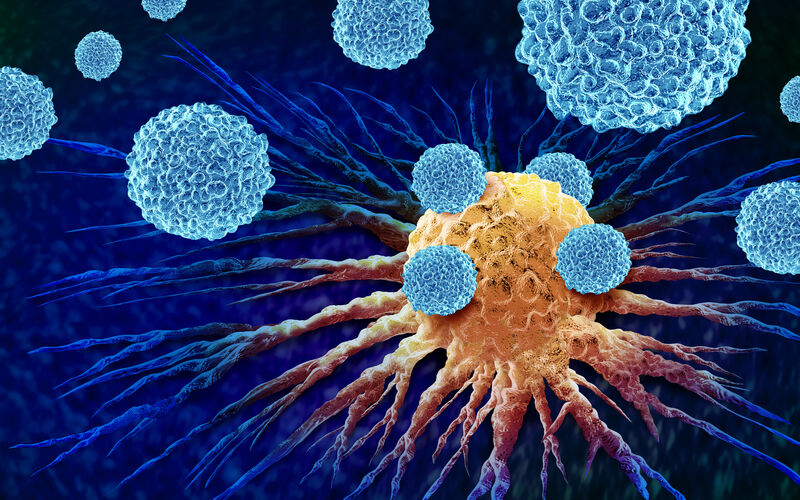
The study also found that blocking nitrosylation triggered immunogenic cell death, a process that causes tumor cells to release distress signals. These signals attracted immune cells such as CD8-positive T cells and dendritic cells, which can help destroy the cancer.
“This approach not only restrict the tumor growth but also enhances the body’s own anti-cancer immune response,” said Jyoti Srivastava, PhD, co-lead author and senior research scientist at Moffitt. “It could lead to more durable responses for patients who currently have limited options.”
The findings may offer a new path forward for patients with NRAS-mutant melanoma, which has few effective treatments. Researchers say the results support further study of nitrosylation inhibitors as part of combination therapy for melanoma and potentially other cancers.