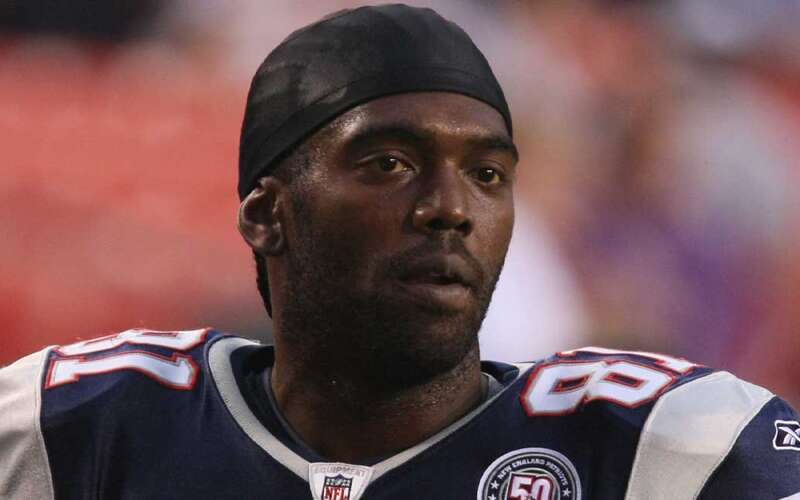
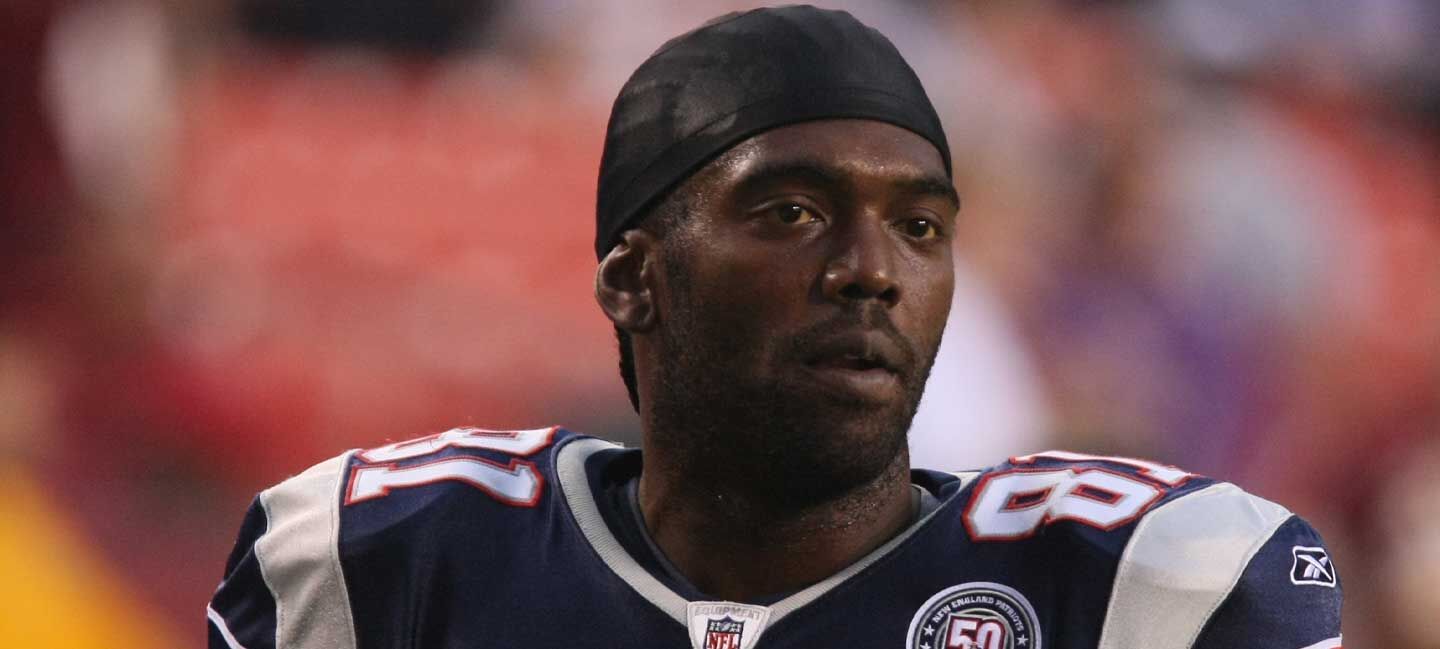
Randy Moss Undergoes Surgery To Remove Cancer
NFL analyst and retired wide receiver Randy Moss announced last week that he is being treated for cancer. The 47-year-old said in a video posted on Instagram Live that he underwent surgery and spent six days in the hospital recovering.
Moss said that doctors found a cancerous mass in his bile duct, between his pancreas and liver. He added that he still has to undergo chemotherapy and radiation treatments.
“Your boy is a cancer survivor,” Moss said in the Instagram video. “Some trying times of course. But you know, we made it through and for that — I thank you all.”
Moss was a first-round draft pick of the Minnesota Vikings in 1998. He also played for the Oakland Raiders, New England Patriots, Tennessee Titans and San Francisco 49ers. He was inducted into the Pro Football Hall of Fame in 2018.
Biliary cancers are rare malignancies that form in the bile ducts, a network of tubes that connect the liver, gallbladder and small intestine. About 10,000 people in the United States are diagnosed with these cancers each year. While it can occur at a younger age, it is more common in the elderly.
Some chronic conditions can cause bile duct inflammation and increase the risk of developing biliary cancers. Other risk factors include obesity, diabetes, cirrhosis and nonalcoholic fatty liver disease.
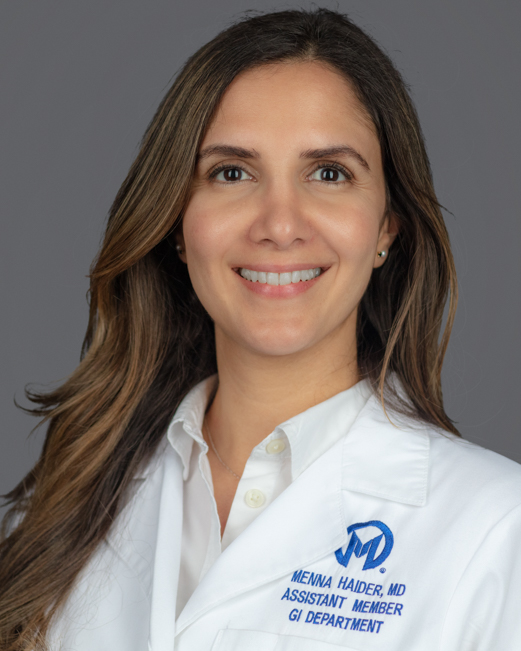
Mintallah Haider, MD
“Cancer that comes from the biliary ducts is on the rise,” said Mintallah Haider, MD, a medical oncologist in the Gastrointestinal Oncology Department at Moffitt Cancer Center. “This could be because of increased incidence of fatty liver disease or because the pathology to diagnose the disease has become more accurate.”
Only a small percentage of bile duct cancer patients are eligible for surgery. Other treatments include chemotherapy, radiation, targeted therapy and immunotherapy. For some with early stage unresectable disease, a liver transplant may be an option.
Moss said he underwent a type of surgery known as a Whipple procedure, which involves the removal of the head of the pancreas, segment of proximal small bowel, gallbladder, distal bile duct and sometimes the distal one-third of the stomach.
The stomach, remaining pancreas and proximal bile duct are then sewn to a new piece of intestine. The upper gastrointestinal tract gets rerouted. Sometimes after surgery this is difficult to adapt to for the first few weeks.
Whipple procedures can be performed robotically or with open surgery depending on the involvement of vessels.
“One of the most important resources for patients with biliary cancers is access to a multidisciplinary team like we have at Moffitt,” Haider said. “This allows for a comprehensive review of all options to each individual patient.”
Earlier this month, Moss said he would be taking some extended time off from his on-air duties on ESPN’s “Sunday NFL Countdown” due to a personal health challenge. In Friday’s video, Moss thanked doctors and medical staff, his family and his ESPN colleagues.
“All the prayers, the well wishes, I really felt that,” he said. “My family felt that."