

"State of Lung Cancer" Report Shows Need for Increased Screening Leading to Early Detection
The American Lung Association’s 2024 “State of Lung Cancer” report ranks Florida 17 out of 47 surveyed states for survival of lung cancer at 29.1%. The report also shows a 25.3% early diagnoses rate in the state.

Lary Robinson, MD
Specialists at Moffitt Cancer Center continue to emphasize the importance of screening for those at risk. “Despite the remarkable advances we have made in treating advanced-stage lung cancer with immunotherapy, targeted agents, tumor-infiltrating lymphocyte therapy and other innovative approaches, the most effective way of significantly increasing the cure rate of lung cancer is finding it early, when it is confined to the lung and potentially curable,” Lary Robinson, MD, director of Moffitt’s Lung Cancer Early Detection Center said.
The U.S. Preventive Services Task Force recommends annual screening for adults age 50 and older who have smoked a pack of cigarettes a day for the last 20 years or two packs a day for the past 10 years and currently smoke or have quit within the past 15 years.
To calculate lung cancer screening rates, this year’s report uses a new data source, the Centers for Disease Control and Prevention 2022 Behavioral Risk Factor Surveillance System. The report lists Florida 29 out of 51 in the nation for lung cancer screening at 15.8%.
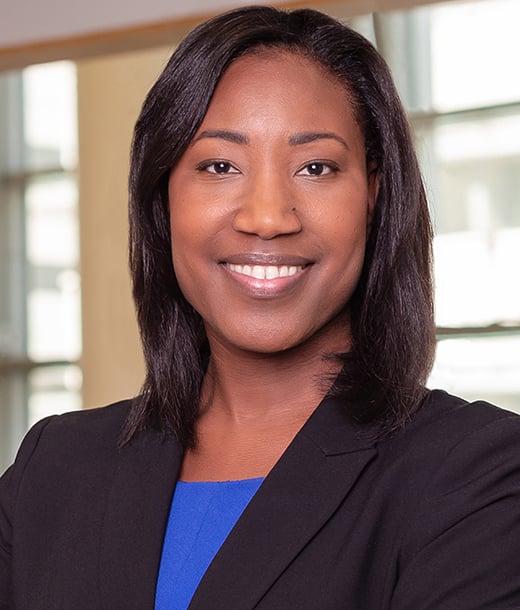
“Early detection can be lifesaving,” Jhanelle Gray, MD, chair of the Thoracic Oncology Department said. “When lung cancer is found at an earlier stage, it’s more likely to be treated successfully."
Furthermore, the American Lung Association shared they are calling for the state to implement policies to require insurance coverage of comprehensive biomarker testing. The organization is also pushing for Congress to pass the Increasing Access to Lung Cancer Screening Act (H.R. 4286). “To address the burden of lung cancer and to help improve the lives of people it impacts, we must continue to evaluate the greatest needs,” Ashley Lyerly, senior director of advocacy for the American Lung Association in Florida said. “This report helps us prioritize which areas to focus on to truly make an impact.”
Additional details about the report’s new methodology and data collection can be found on page 14 of the report.