Study Provides More Evidence Linking Food Preservatives to Cancer Risk
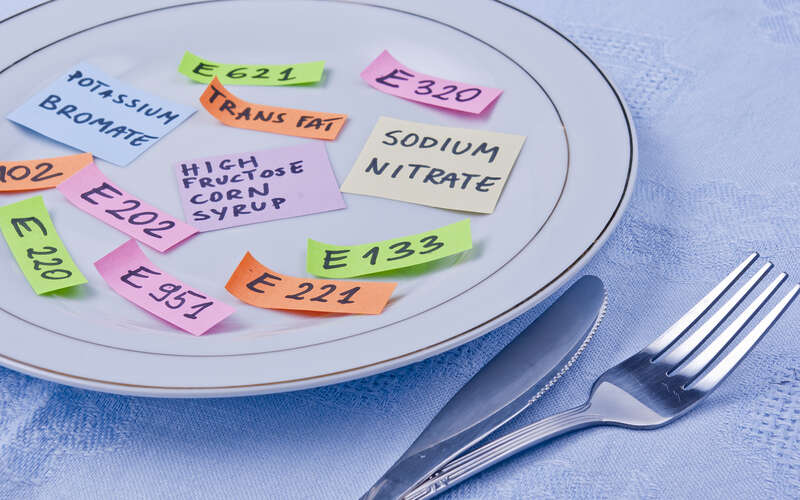
A new study published in The BMJ adds to growing evidence that certain food preservatives may be linked to increased cancer risk, supporting decades of research on the health effects of highly processed diets.
The observational study found that higher amounts of some commonly used food additives was associated with a modestly increased risk of overall cancer, as well as breast and prostate cancers.
“This study is not groundbreaking on its own, but it meaningfully adds to a large and consistent body of evidence,” said Nagi Kumar, PhD, a cancer prevention researcher in the Cancer Epidemiology Department at Moffitt Cancer Center. “Over the past three decades, research has repeatedly shown that diets built around whole, minimally processed foods are associated with better health outcomes than diets high in processed foods and additives.”
New BMJ Research: Intake of food additive preservatives and incidence of cancerhttps://t.co/EGrCh2QY1r
— The BMJ (@bmj_latest) January 11, 2026
Linked Editorial says potential carcinogenic effects of preservative food additives require further validationhttps://t.co/dyaWIYcFan pic.twitter.com/2LGhHsbNK6
How Preservatives May Influence Cancer Risk
Researchers have long studied how food additives interact with biological processes related to cancer. Some preservatives are already classified as carcinogenic while others may increase cancer risk indirectly by promoting chronic inflammation or contributing to metabolic conditions linked to cancer.
Highly processed diets are often associated with obesity, nutritional deficiencies and reduced intake of protective foods such as fruits, vegetables, whole grains and healthy fats. These dietary patterns may be especially common in populations with limited access to fresh foods.
“Because processed foods are often cheaper, more convenient and highly palatable, they can disproportionately affect economically underserved communities,” Kumar said. “That makes diet quality an important equity issue as well as a cancer prevention concern.”
Putting Risk Into Perspective

Nagi Kumar, PhD
The increases in cancer risk reported in the study were relatively small, but Kumar cautions that modest risks can have significant population-level effects when exposure is widespread.
“Nutrition research always comes with challenges related to measurement and causation,” Kumar said. “Still, the consistency of these findings across many studies suggests they should be taken seriously.”
Previous research has linked eating high amounts of foods containing additives to obesity, type 2 diabetes, cardiovascular disease, liver and kidney disease and increased overall mortality, conditions that are themselves associated with higher cancer risk.
What This Means for Public Health
Current U.S. dietary guidelines already emphasize limiting highly processed foods and prioritizing whole, nutrient-dense ingredients. Kumar says the new findings support those recommendations rather than introducing new or alarming advice.
“To improve long-term health outcomes, we need to return to the basics,” she said. “Diets centered on whole foods, paired with healthy lifestyle behaviors like regular physical activity and smoking cessation, remain some of the most powerful tools we have for cancer prevention.”