Reduce Your Risk of Lung Cancer - Quit Smoking for World No Tobacco Day
World No Tobacco Day is a call to action to address the persistent toll tobacco takes on populations already burdened by health disparities. Tobacco use remains a leading cause of preventable cancer, and its impact is disproportionately felt in low-income, rural, and racial and ethnic minority communities.
Research shows that smoking causes around 20% of cancer diagnoses and 80% of lung cancer cases are a result of smoking.
According to Vani Simmons, PhD, Moffitt Cancer Center’s Director of the Tobacco Research and Intervention Program, there are several reasons why it can be difficult for someone to quit smoking, even after a cancer diagnosis.
“Many of our patients have smoked for many years, making the behavior deeply ingrained in their everyday routines, and smoking is often used a coping mechanism,” Simmons said. “If you add to that the stress and fear of cancer treatment, quitting can feel very overwhelming.”
Quit smoking with the help of Moffitt specialists
Moffitt tobacco treatment specialists offer support to patients looking to quit smoking, both in person and virtually. They provide patients with additional resources such as group counseling, nicotine replacement therapy and prescription medications.
“Many of these resources are available at no cost from Tobacco Free Florida,” Simmons said. “We really try to meet patients where they are and provide the resources they may need at the time.”
Continuing to smoke can make treatments like chemotherapy and radiation less effective.
In addition, Lary Robinson, MD, a thoracic surgical oncologist at Moffitt, says smokers often experience more negative side effects from cancer treatment, including lung infections.
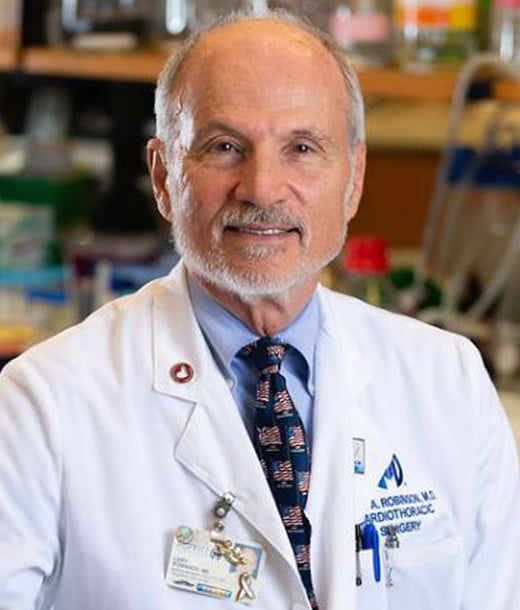
Lary Robinson, MD“During a Moffitt study, researchers took lung cancer cells growing in a Petri dish and applied a chemotherapy agent (cisplatin), and it killed the lung cancer cells,” Robinson said. “When they added nicotine to the Petri dish containing the lung cancer cells and then subsequently added cisplatin, there was minimal, if any, response to the chemotherapy agent. This is likely what happens in the human body as well with patients who smoke during treatment.”
Studies show that more than 70% of tobacco users want to quit, and many make a serious attempt but fail to do so.
“I want people to know that quitting smoking is possible even after a cancer diagnosis and it is never too late,” Simmons said. “People who quit after being diagnosed with cancer have a better quality of life, heal faster and importantly, they reclaim a sense of control at a time when so much feels out of control.”