Expanding Access: Cellular Therapies and Autologous Stem Cell Transplants for Treatment-Resistant Autoimmune Disease
Autoimmune diseases, such as multiple sclerosis (MS) and systemic sclerosis (SSc), occur when the body’s immune system attacks and destroys healthy organ systems, and unfortunately, there is currently no cure. With more than 80 different autoimmune disorders affecting millions of patients, the clinical challenges are substantial.
Current treatment approaches focus on reducing symptoms and slowing disease progression through lifestyle changes and immunosuppressive medications that lower the immune system's abnormal response against the body. While these therapies may control the autoimmune system and maintain the body's ability to fight other diseases, they primarily address the symptoms of the disease, not the underlying cause or root of the disease.
A New Treatment Approach at Moffitt
Moffitt Cancer Center has launched a new service specifically for non-cancer patients with autoimmune diseases like MS and SSc or Scleroderma who have relapsed first- or second-line conventional treatments.
Autologous Stem Cell Transplantation (ASCT) is an opportunity for patients with aggressive treatment-refractory disease to have an immune system reset, essentially rebooting the immune system to halt further autoimmune activity. It starts with collecting a patient’s own healthy hematopoietic stem cells, which circulate in their veins, then delivering high-dose immunosuppressive chemotherapy to remove the current immune system and finally reinfusing the stem cells to help boost recovery after the chemotherapy.
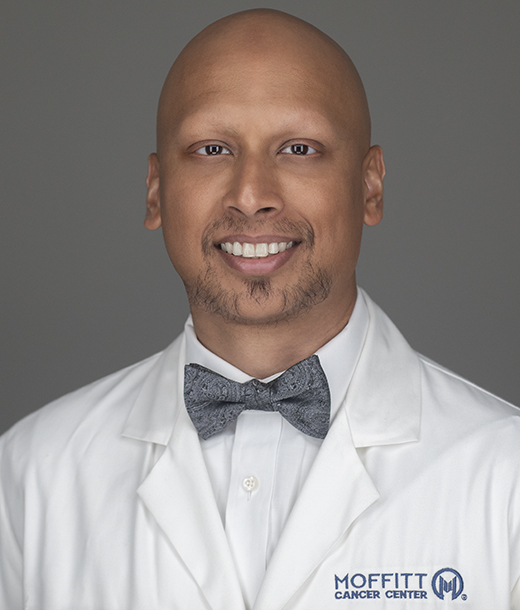
“This treatment is for patients who are not responding to currently available disease-modifying therapies. It can offer long-term remission and reduction in disease activity," explains Dr. Sayeef Mirza, hematologist and one of the faculty members in the Blood and Marrow Transplant and Cellular Immunotherapy (BMT- CI) Program at Moffitt, offering this treatment.
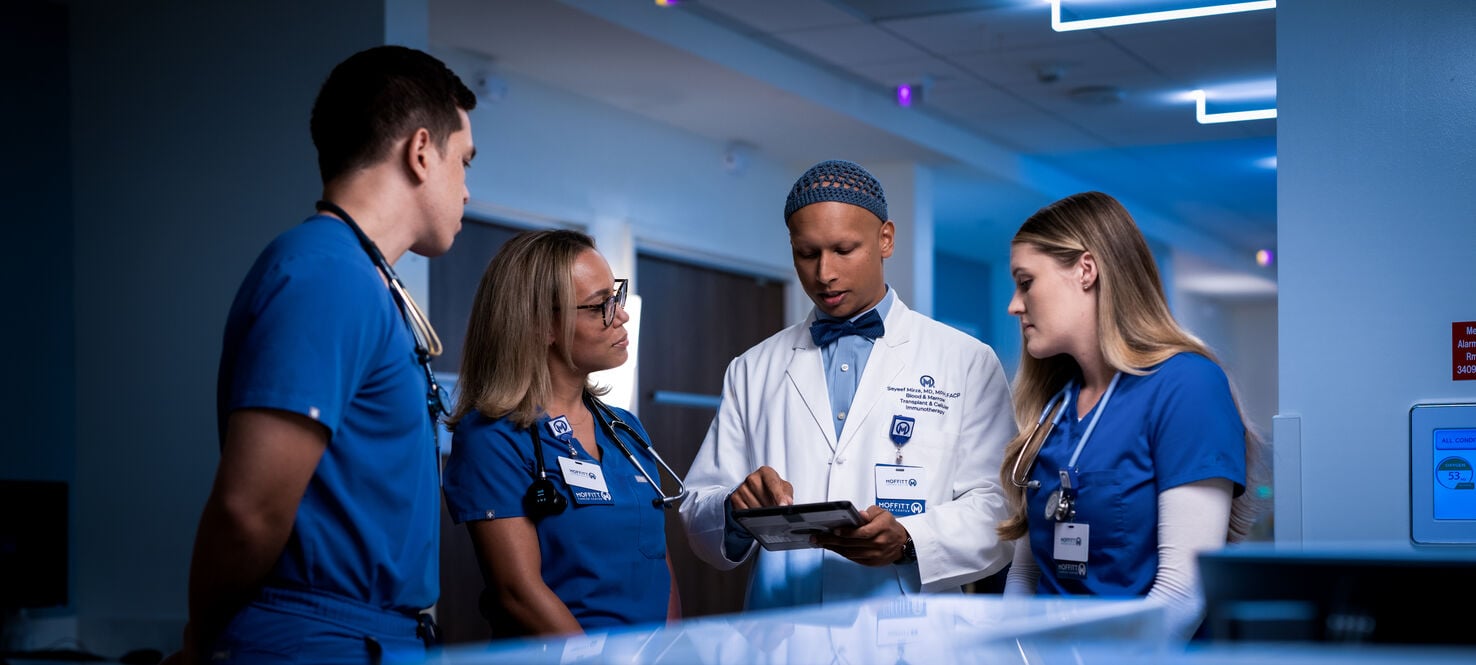
When providing this treatment, Moffitt serves as a hub for cellular therapy, collaborating with community neurology and rheumatology teams, not replacing them. Our cellular therapy treatment experts partner with local neurologists or rheumatologists, who are the disease experts, both before and after ASCT scans. This allows patients to continue their trusted, long-term care team relationships.
While very few centers across the country offer this treatment, with Moffitt being only the second in Florida, it is considered a standard of care and is typically covered by insurance.
More treatment options for autoimmune patients will become available in early 2026. Moffitt is opening CAR T clinical trials for patients with Lupus (Systemic Lupus Erythematosus) and myasthenia gravis, targeting specific markers on the cells that drive the autoimmune disease. The treatment involves temporarily stopping immunosuppressive therapy, followed by lymphodepleting chemotherapy and infusion of CAR T cells. Moffitt is the first cancer center worldwide to treat over 2,000 patients, and counting, with CAR T therapy.
Sayeef Mirza, MD, discusses how CD19-directed CAR T-cell therapy is being applied to autoimmune diseases such as lupus (SLE) and highlights the launch of a new autoimmune program at Moffitt.
Patient Eligibility and Benefits
ASCT is an appropriate treatment for younger, otherwise healthy patients with aggressive autoimmune disease, especially those with relapsing MS or refractory systemic sclerosis who are not responding to conventional disease-modifying therapies.
The benefits are significant and founded in clinical evidence. Clinical trials have demonstrated durable remission for aggressive, refractory MS and other autoimmune conditions. Patients may experience long-term remission and a substantial reduction in relapses or disease activity.
Unlike lifelong therapies that require ongoing management, ASCT is a one-time treatment. The ASCT approach utilizes a collaborative care model. Post-transplant, patients can return to their referring provider for ongoing disease management, maintaining continuity of care while accessing Moffitt’s innovative treatments when needed.
Partnering in Patient Care
This is an emerging but promising option for select patients, and successful outcomes depend on close collaboration between referring providers and our specialized team. We are grateful for the continued trust and referrals from our community partners.
Moffitt has the necessary infrastructure to safely deliver high-dose chemotherapy and stem cell rescue or cell therapy, including our established BMT program and FACT (Foundation for the Accreditation of Cellular Therapy) accreditation.
We welcome referrals from community neurologists, rheumatologists and general practitioners who recognize patients with uncontrolled autoimmune disease despite standard therapies.
Moffitt looks forward to collaborating with community teams to help those needing specialized care. Through this partnership approach, we can ensure patients can access all available options while holding onto the trusted relationships they've established.
To refer a patient to Moffitt, complete our online form or contact a physician liaison for assistance. As part of our efforts to shorten referral times as much as possible, online referrals are typically responded to within 24 - 48 hours.