
The Critical Role of Surgeon Selection in Cancer Outcomes
When a patient receives a solid tumor cancer diagnosis, the urgency to act is understandable. For most solid tumors, surgery offers the best chance for cure. While prompt action is important, the most critical decision early on is choosing the right surgeon who is trained on treating that particular cancer type and at the right cancer center, where expertise and resources align to ensure the first surgical intervention is done right.
Here at Moffitt Cancer Center, we have entire departments of surgical and medical experts for every cancer type. As a high-volume surgical center, our surgical teams have unparalleled skills and are familiar with treating and studying even the rarest cancers.
As a referring provider, you’re in a unique position of influence during this vulnerable time. The guidance you provide in those initial conversations following diagnosis can fundamentally alter the trajectory of care or outcome.
ACS Surgical Quality Partner for 30+ Years
Continuously Accredited by the American College of Surgeons Commission on Cancer since 1989 for our commitment to providing comprehensive, high-quality and multispecialty patient-centered care.
Helping Patients Make the Best Decision for Themselves
Various factors can influence a patient’s decision about where to receive cancer surgery, including personal experience, insurance and travel distance. However, in certain scenarios, it’s crucial that patients strongly consider an NCI-Designated Comprehensive Cancer Center, such as Moffitt, to ensure the best possible outcomes:
- When surgery is a key component of the treatment plan - Surgical outcomes at top-ranked NCI-Designated Comprehensive Cancer Centers are shown to be higher, with significantly lower 90-day and 3-year mortality rates. Moffitt’s survival rates are up to four times higher than the national average.
- A family history of cancer mortality - If a first-degree relative did not survive their cancer, it could indicate a failure to respond to conventional treatment pathways due to genetic mutations. If a patient has the same genetic mutations, they may require a more individualized treatment.
- Aggressive, advanced, or rare cancer - Cancer that has metastasized or an initial diagnosis of an aggressive or rare form of cancer is best treated at a high-volume facility, staffed by sub-specialty doctors with deep expertise in their cancer type. Moffitt uses multidisciplinary teams to collaborate on the best care for each patient and our researchers develop new treatments for rare and aggressive cases.
- Diagnosis at a young age - Specialty cancer centers like Moffitt often have programs for young adults, including unique resources such as fertility preservation options and flexible services to support a patient’s active life while undergoing cancer treatment.
Patients can always request a surgical consult with a Moffitt expert through their community provider or directly as a self-referral.
Surgery as the Cornerstone of Treatment
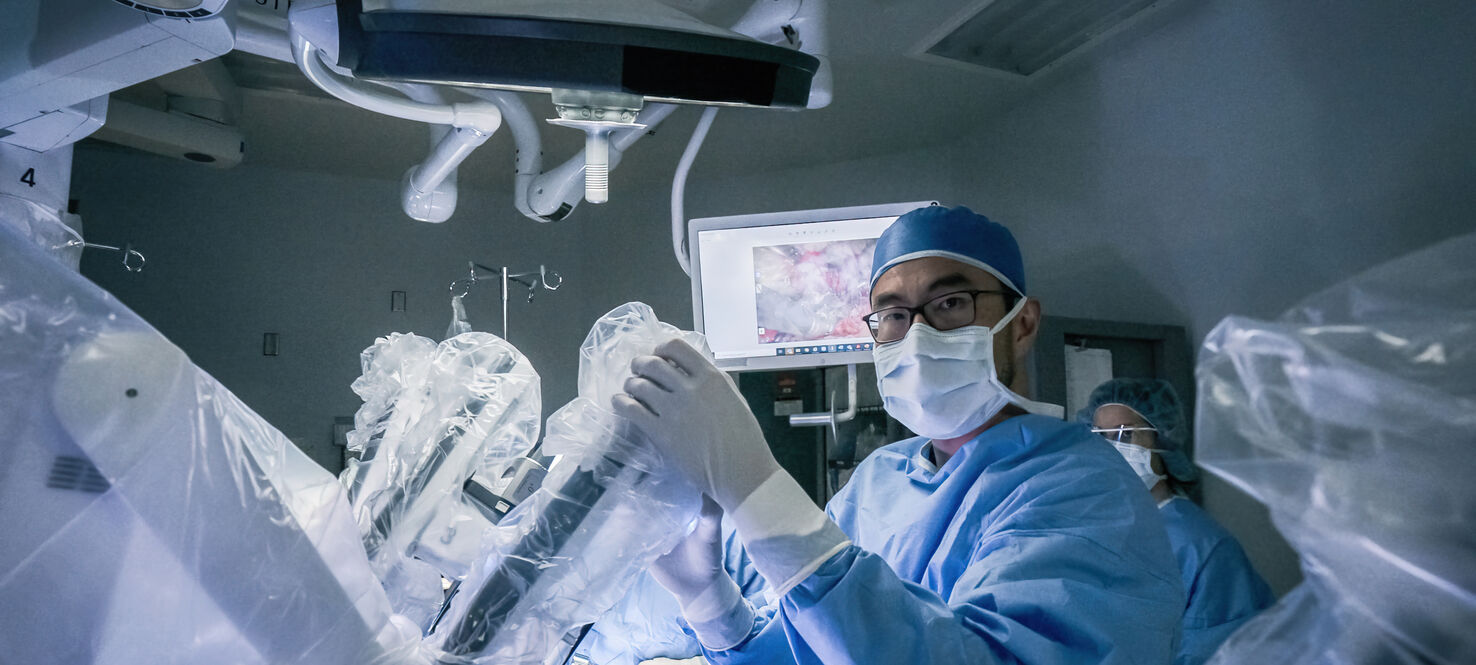
In solid tumor oncology, surgery is the starting point for most treatment plans. A meticulously planned and expertly executed operation is the foundation for all subsequent therapy. Yet surgical decisions are frequently made under time pressure, sometimes constrained by existing referral patterns or geographic convenience.
Cancer surgery demands tumor-specific expertise, not just general surgical skills. Community surgeons may possess excellent technical skills, but oncologic surgery requires a specialized understanding of tumor biology, nuanced staging protocols, and disease-specific techniques refined through concentrated, high-volume surgery experience.
Moffitt’s Subspecialty Focus and Unique Procedures
Moffitt Cancer Center performs 850-900 cancer surgeries monthly. This case volume supports genuine subspecialization, where surgeons focus exclusively on specific tumor types within fully integrated multidisciplinary teams. Each case undergoes collaborative review before proceeding to the operating room.
Some of our unique surgical capabilities and specialty clinics include:
Breast Cancer
Our High-Risk Breast Cancer Clinic’s oncoplastic approaches achieve treatment goals while optimizing cosmetic breast preservation. Lymphovenous bypass surgery has significantly reduced lymphedema incidence in patients, addressing a complication that substantially impacts long-term quality of life.
Gastrointestinal Malignancies
Moffitt is recognized as a National Pancreas Foundation Center of Excellence, reflecting our multispecialty treatment of pancreatic cancer. Our GI cancer team has performed over 2,000 Whipple surgeries alone. Our YOGI program addresses the distinct needs of young-onset GI malignancy patients, while the Prehabilitation Program prepares patients for major abdominal surgery to improve postoperative recovery.
Gynecologic Oncology
Moffitt’s GYN Cancer Genetics and Molecular Medicine Tumor Board is a collaborative, multidisciplinary board of healthcare professionals that develops customized recommendations for each patient. Some of the complex procedures we provide include Cytalux™ fluorescence-guided surgery for ovarian cancer, uterine sentinel lymph node mapping, complex endometrial and uterine minimally invasive surgery (MIS), and fertility preservation through ovarian transposition.
Neurological Tumors
Neurological tumors demand delicate and specialized approaches to protect vital brain structures. Moffitt’s neurosurgeons often use an Endonasal Endoscopic Approach (EEA) to treat skull base lesions, a far medial skull base approach for tumors in the clivus region, and MIS techniques to restore spinal stability. We also leverage cutting-edge technology through clinical trials to transform how drugs are delivered to the brain and improve outcomes.
Genitourinary Cancers
GU cancer therapies unique to Moffitt include segmental cystectomy, radical cystectomy, transurethral resection (TUR) with fulguration, and bladder preservation therapy, which combines tumor removal surgery followed by chemotherapy and radiation.

Why Expertise Matters
Surgery performed outside dedicated cancer centers can inadvertently compromise future treatment options. Suboptimal initial surgery may disqualify patients from specific clinical trials, and revision surgery is technically more challenging and statistically less likely to achieve optimal oncologic outcomes.
Expert surgeons at comprehensive cancer centers, such as Moffitt, focus solely on cancer cases, operate within multidisciplinary teams, and bring volume-based expertise that improves outcomes. Our experts are sub-specialty trained in their specific cancer types and often lead or participate in clinical trials. Moffitt offers more surgical clinical trials than any other hospital in the region.
Through our investigational work, Moffitt surgeons have been involved in several cancer breakthroughs, leading to groundbreaking FDA approvals such as Percutaneous Hepatic Perfusion (PHP) with the HEPZATO KIT, a first-line treatment for rare but aggressive metastatic uveal melanoma.
The Role of Referring Providers in Optimizing Surgical Outcomes
PCPs, APPs, and internists are the first advisors in a patient’s cancer journey. Your recommendation carries substantial weight during the vulnerable period immediately following cancer diagnosis.
Referring patients to an expert cancer surgeon at a comprehensive cancer center early on can make all the difference. It ensures the best outcomes and preserves their access to the advanced therapies and clinical trials. It also avoids the irreversible consequences of suboptimal surgery performed elsewhere.
You can meaningfully influence patient outcomes by normalizing second opinions at comprehensive cancer centers and helping patients understand that appropriate preparation always outweighs rapid intervention.
When seeking more than one opinion, encourage patients to ask their prospective surgeons a series of questions to understand their experience, specific expertise in their particular cause, and the resources available to manage complications. Patients should also feel comfortable asking surgeons about their hospital’s outcomes data, especially data specific to their cancer type, so they can compare the statistics across the board and make an informed decision.
Relevant questions could include:
- How many patients with my specific type and stage of cancer do you treat each year?
- How many years have you been performing this surgery/procedure?
- What percentage of your practice is dedicated to my type of cancer?
- What are your typical outcomes for cases like mine, and how do they compare to national averages or other institutions?
- Where can I find published data or resources on the hospital's outcomes for this procedure?
- If complications arise during surgery, what resources (e.g., specialized team, specific equipment, ICU) are immediately available?
Early Referral Preserves Options
Referring patients to Moffitt early in their diagnostic workup ensures access to surgeons who practice exclusively within oncology, who function within true multidisciplinary teams, and whose concentrated case volumes translate to measurably better outcomes.
Most significantly, it is their best chance for a cure. When done right, the first time, surgery can drastically alter the entire course of their disease for the better.
Your early referral to subspecialty surgical oncology can be the decisive factor in your patient's outcome. When you refer patients to Moffitt soon after a diagnosis, they benefit from our comprehensive evaluation, surgical expertise, and access to leading-edge therapies and clinical trials.
To refer a patient for surgical procedurees at Moffitt, complete our online form or contact a physician liaison for assistance. As part of our efforts to shorten referral times as much as possible, online referrals are typically responded to within 24 - 48 hours.