
Vondalyn's Story
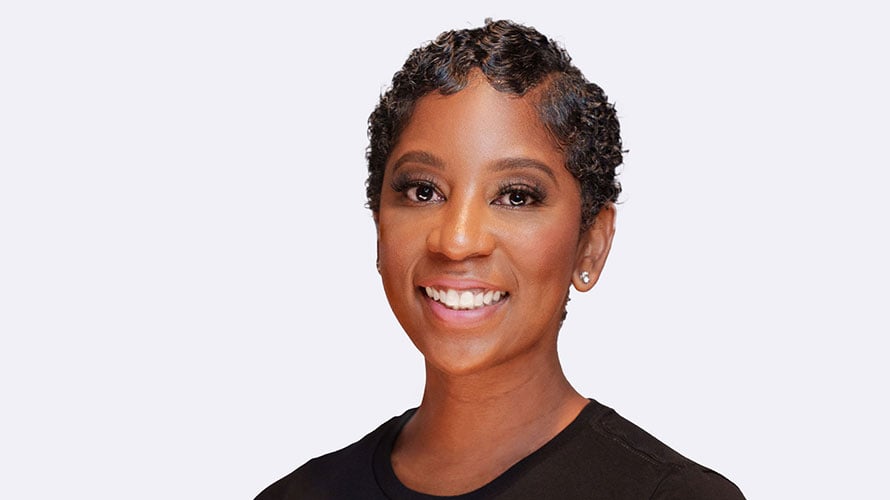
Meet Vodalyn
Breast Cancer Patient; Patient Advisor
"I wanted to use my voice to address these disparities."
Growing up in Tampa, I didn't have the easiest childhood. My parents struggled with substance abuse. I became a teen mom, and by the time I had my second son, my parents and the fathers of my children were all in prison. I knew I needed to change for my sons, so I started pharmacy school and eventually opened my own pharmacy.
At the end of 2020, I felt a lump in my breast, but I ignored it. Eventually, I went for a mammogram and was told I had a “calcification.” Since I had no other symptoms besides mild pain, I didn't assume the worst. But after more testing, the diagnosis was clear — I had breast cancer.
The news was devastating, and I struggled to believe it. I felt hopeless. I’ve always been resilient, but this was one thing I couldn't control. I had family who had passed from cancer, and I always believed the word meant death. I was grateful when I found out they caught it early.
I had chemotherapy, a double mastectomy and radiation therapy. At 40, I felt like I was 80 — battling fatigue, hair loss and the overwhelming weight of it all. Years later, I still take medication and a hormone blocker, but my energy is back, my hair is back and my enthusiasm is back.
After treatment, I wanted to give back.
Did you know that the American Cancer Society found in 2025 that African American women are 40% more likely to die of breast cancer than white women? I recognized and saw the impacts of implicit bias and health disparities. I personally knew people who couldn’t access care or who didn’t fully understand their treatment plan.
I wanted to use my voice to address these disparities. I opened a wellness hub in East Tampa and arranged to have a mobile mammogram unit visit. Some people received mammograms for the first time in their lives.
I also began volunteering with Moffitt’s Patient and Family Advisory Council and started my own foundation to educate the community on health disparities. I’m happy to say that since I started volunteering in 2021, I have seen Moffitt make improvements to improve access to care and address health disparities.
When I was diagnosed, I couldn’t understand why cancer chose me. Now, I feel my voice can save lives. So, I urge you: be your own advocate. Do your research. If a doctor dismisses your concerns, find another one. Listen to your body and stay on top of your health. Most of the time, a lump is benign, but you still need to check it out.
Cancer is a tough word to hear, but it doesn’t have to be a death sentence. With early detection and the right treatment plan, a great life after cancer is possible.
To learn more about the Patient and Family Advisory Council or share your lived experience as a patient or caregiver to make a difference, email PatientAdvisors@Moffitt.org or call 813-745-3753.
This story was originally published in the PARTNERS newsletter. Visit Moffitt.org/PARTNERS for more stories and to learn more.