
Digital Pathology in Cancer Care for Rural Communities
Digital pathology is changing the landscape of cancer care, especially for those living in rural areas where access to specialized medical services is often limited. Utilizing advanced imaging and digital pathology, Moffitt is working to improve the speed and accuracy of cancer diagnosis—regardless of a patient’s location. This technology allows our expert pathologists to extend their insights to rural and underserved communities, where access to top-tier cancer care is often limited.
With approximately 10% of initial diagnoses corrected upon review at Moffitt, expanding this level of expertise through digital platforms can lead to more accurate diagnoses, more effective treatment plans, and ultimately better outcomes. By fostering real-time collaboration with local healthcare providers, digital pathology helps close care gaps and bring timely, expert-driven answers to patients.
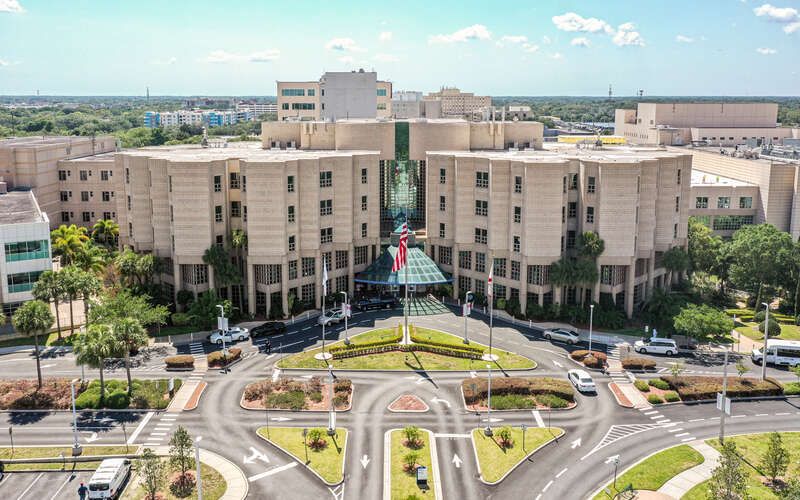
#1 Cancer Hospital in Tampa
Moffitt is the top-ranked cancer hospital in Tampa and central Florida and ranked No. 16 in the nation in Newsweek’s “America’s Best Cancer Hospitals."
Understanding Digital Pathology
The ability to examine cells and tissues under a microscope has been the scientific backbone of modern medicine. Pathologists—physician-scientists trained to diagnose disease by studying tissue—have traditionally relied on glass slides and microscopes to render critical diagnoses. Today, digital pathology is transforming that process by converting glass slides into high-resolution digital images, allowing pathologists to examine, share, and analyze samples on a computer.
The processes of traditional pathology can be both time-consuming and costly due to the need for careful handling, specialized equipment, and the logistical delays involved in physically moving samples between facilities.
In contrast, digital pathology enables remote cancer care by allowing pathologists to access and review images from a distance, facilitating collaboration and consultation with experts in different locations. This shift not only streamlines diagnosis but bridges gaps in care for rural communities that have often been limited by lack of access to specialized cancer care.
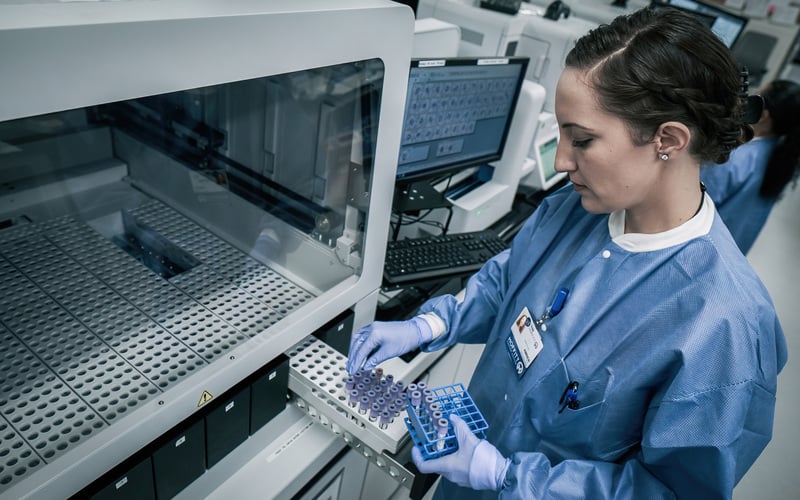
Artificial intelligence and digital pathology
Advancements in technology support the success of digital pathology through high-resolution scanning devices, cloud-based storage solutions, and sophisticated image analysis software. These tools enhance diagnostic precision and streamline workflows, allowing for faster turnaround times in pathology reports.
While artificial intelligence plays a growing role in digital pathology, it serves as a supportive tool—helping pathologists quickly highlight areas of concern or prioritize slides for review. Importantly, it is always a highly trained, board-certified pathologist who interprets the images and makes the final diagnosis. As digital pathology continues to evolve, it holds the promise of making high-quality cancer care more accessible to rural communities, ultimately improving patient outcomes.
How can digital pathology improve rural cancer care?
Digital pathology plays a crucial role in addressing healthcare disparities faced by rural communities. Many patients in these areas encounter significant barriers when seeking specialized cancer care, including limited access to expert pathologists and diagnostic facilities. By leveraging digital pathology, healthcare providers can overcome geographical limitations, enabling remote consultations and expert analyses without the need for patients to travel long distances.
Enhancing access to cancer care in rural communities is one of the most significant advantages of digital pathology. Through digital imaging and telepathology, rural healthcare facilities can connect with leading pathologists who review and interpret slides in real-time. This facilitates timely diagnosis and ensures that patients receive accurate evaluations of their conditions, which is essential for determining the best treatment options.
The impact of digital pathology on patient outcomes and treatment timelines cannot be overstated.
- Faster, more accurate diagnoses lead to earlier interventions
- Digital pathology reduces the waiting time for patients
A proactive approach can significantly improve survival rates and enhance the overall quality of life for cancer patients in rural settings.
The journey has not been without challenges. Lessons learned from various rural cancer care initiatives reveal the importance of:
- Training and support for healthcare professionals in adopting new technologies
- Ensuring that staff are well-equipped to use digital pathology tools
- Establishing robust communication networks between rural and urban facilities
These insights are invaluable as we continue to refine our approaches to cancer care in rural settings.
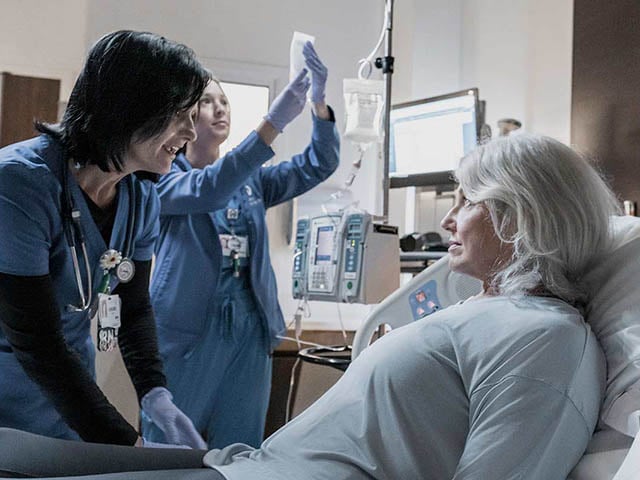
Nationally Ranked. Florida's Best.
Choose Moffitt FirstThe Future of Digital Pathology for Rural Areas
As digital pathology continues to evolve, emerging technologies and innovations hold significant promise for enhancing cancer care in rural communities. High-resolution imaging, artificial intelligence (AI) algorithms, and machine learning are transforming the way pathologists analyze tissue samples, allowing for quicker and more accurate diagnoses. These advancements can drastically improve the quality of care available in underserved areas, where access to specialized medical professionals may be limited.
One of the most exciting prospects for rural healthcare is the potential for telepathology and remote consultations. By enabling pathologists to review cases from afar, telepathology can bridge the gap between rural practitioners and expert resources located in urban centers. This technology facilitates timely consultations, ensuring that patients receive optimal treatment plans without the burden of travel. Remote diagnosis can also play a pivotal role in education and training for local healthcare providers, enhancing their skills and capabilities.
Moffitt is using this technology to enhance the world-class pathology expertise found at our cancer center to patients across the state. Our pathologists regularly correct about 10% of initial diagnoses, and now that insight can reach more people, no matter where they live. If you or a loved one is facing a cancer diagnosis, visit Moffitt.org to learn how to access expert opinions and specialized care.