
Autologous Stem Cell Transplants and Emerging Cell Therapies for Treatment-Resistant Autoimmune Diseases
 Medically reviewed by Taiga Nishihori, MD, Blood and Marrow Transplant and Cellular Immunotherapy Program
An autoimmune disorder occurs when the body's immune system—its first line of defense against infection—mistakenly attacks its own healthy cells, tissues or organs. Instead of recognizing the body’s own components as “self,” the immune system identifies them as harmful foreign invaders, triggering a cascade of inflammation and tissue damage. While the exact causes remain unclear, most cases stem from a mix of genetic, environmental and immune factors.
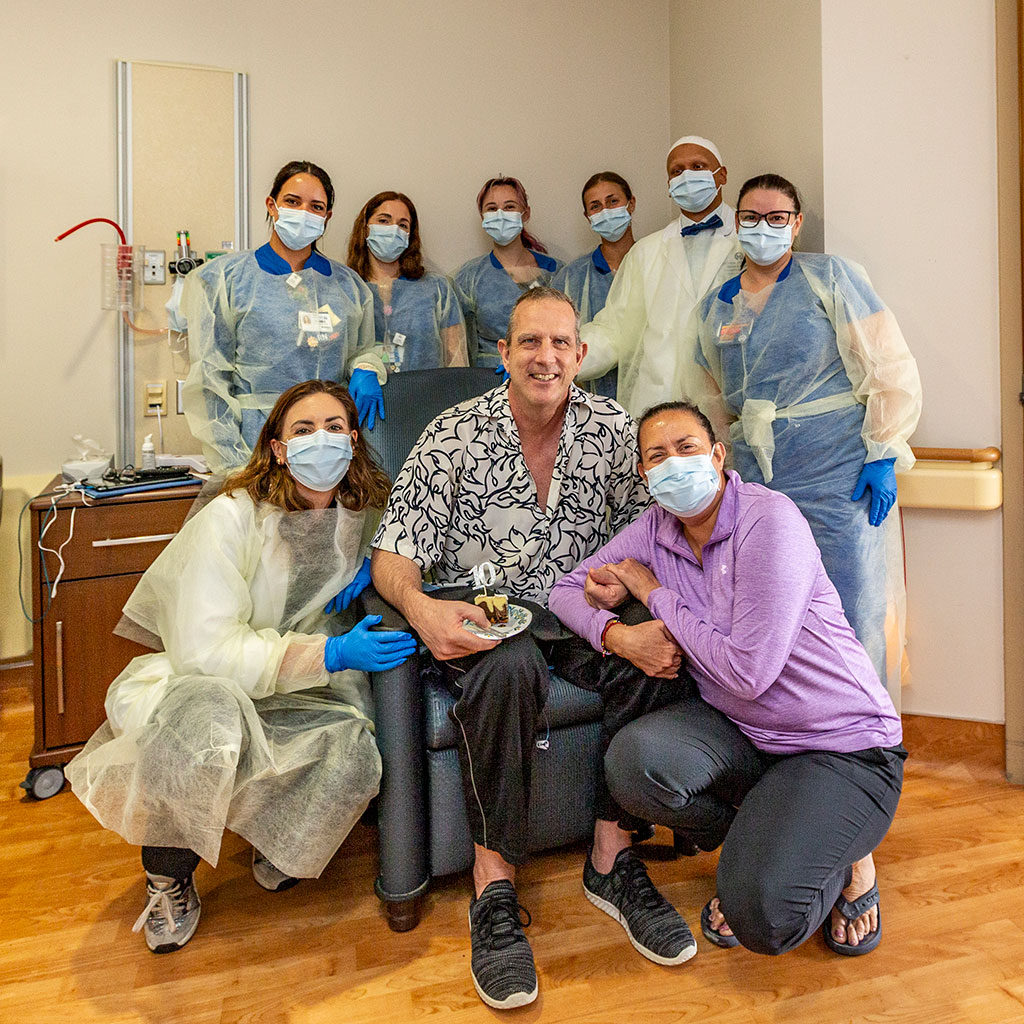
Moffitt Performs 10,000th Transplant
Moffitt's BMT and Cellular Immunotherapy Program is the largest and most active program in Florida, recognized for delivering the best outcomes for our patients.
With millions of people affected by autoimmune disease worldwide, the clinical challenges are significant. In the past, conventional treatments focused on relieving symptoms and slowing disease progression, but they did not offer a cure.
However, Moffitt Cancer Center, an internationally recognized leader in cancer care, research and innovation, now offers autologous stem cell transplants (ASCT) for noncancer patients with certain autoimmune conditions, including multiple sclerosis (MS) and systemic sclerosis (SSc or scleroderma). Emerging CAR T cell therapy clinical trials are planned to open in January 2026 for systemic lupus erythematosus (lupus) and myasthenia gravis (gMG).
Autologous stem cell transplants and innovative cellular therapy clinical trials will provide a breakthrough in care for certain patients whose autoimmune disease has not responded to other treatments.
What are autologous stem cell transplants and cellular therapies?
Autologous stem cell transplants and cellular therapies are part of a new frontier in addressing treatment-resistant autoimmune disease. These novel therapies aim to reset the immune system and disrupt the destructive autoimmune process.
Autologous hematopoietic stem cell transplantation
ASCT is an advanced medical procedure that uses the patient’s own blood-forming (hematopoietic) stem cells to help rebuild the immune system after it has been intentionally suppressed or “reset.” The treatment process involves:
- Cell collection – The patient’s own hematopoietic stem cells, which are responsible for producing all other blood and immune cells, will be collected from the bloodstream, frozen and stored.
- Conditioning therapy – The patient will receive a course of high-dose chemotherapy, possibly combined with other immunosuppressive drugs, to erase (ablate) the malfunctioning immune cells that are inadvertently attacking the body’s own tissues.
- Cell reinfusion – The stored stem cells will be thawed and reinfused into the patient’s bloodstream, where they will travel to the bone marrow and begin producing new, healthy blood and immune cells.
By effectively “rebooting” the immune system to halt further autoimmune activity, autologous stem cell transplantation offers a chance for long-term remission, fewer relapses and significantly reduced disease activity in certain patients with aggressive autoimmune conditions. Additionally, because ASCT uses the patient’s own cells, it avoids the risk of rejection or graft-versus-host disease (GVHD), which can occur with a donor (allogeneic) transplant.
Emerging CAR-T cell therapies
In addition to ASCT, Moffitt is expanding access in January 2026 to CAR T cell clinical trials for patients with autoimmune disease, with early programs planned for certain conditions, including lupus and myasthenia gravis. These unique treatments target the specific immune-cell markers driving the disease, representing cutting-edge translational research at the intersection of immunology and cellular therapy.
Who might be a candidate for autologous stem cell transplantation or CAR-T cell therapy?
At Moffitt, ASCT and other cellular therapies are offered to carefully evaluated patients through a collaborative care model that integrates the expertise of both transplant specialists and the patient’s referring physician. This approach helps ensure that treatment-resistant autoimmune and immune-mediated conditions are managed safely and effectively while maintaining continuity of care.
In general, a good candidate has an autoimmune disorder that has not responded to traditional disease-modifying treatments and is healthy enough to undergo a physically demanding medical procedure. While eligibility can vary based on the specific condition being treated, most candidates share several key characteristics:
Treatment-resistant or aggressive autoimmune disease
The patient’s autoimmune disorder has not improved with first- or second-line therapies, such as immunosuppressive drugs or disease-modifying agents. The disease may also be rapidly progressing or causing serious organ or tissue damage. Currently, common autoimmune indications include multiple sclerosis and scleroderma, while research is expanding into other conditions, such as lupus and myasthenia gravis.
Good overall health
The candidate must be healthy enough to tolerate high-dose chemotherapy and temporary immune suppression. Additionally, adequate heart, lung, liver and kidney function are essential to ensure a safe and full recovery. While age is a consideration, there is no strict cutoff; the patient’s biological fitness matters more than their chronological age.
No active infections or cancer
Because the immune system will be intentionally suppressed during treatment, the patient must be free of active infections, cancer and other uncontrolled health issues. This is essential to reduce the risk of serious complications, allowing the patient’s body to recover and rebuild a healthy immune system more effectively.
Strong support system
The patient should have access to trusted caregivers, reliable transportation and the ability to follow strict medical guidance before, during and after treatment. Frequent monitoring will be required during recovery, especially in the first few months after a transplant.
Comprehensive evaluation and multispecialty review
Each potential candidate must undergo a thorough evaluation by a multispecialty team—including hematologists, immunologists, neurologists and rheumatologists—to fully assess the risks and benefits of treatment. The decision on whether to proceed will be made collaboratively with the patient and their referring physician to ensure the treatment aligns with the patient’s individual goals and medical needs.
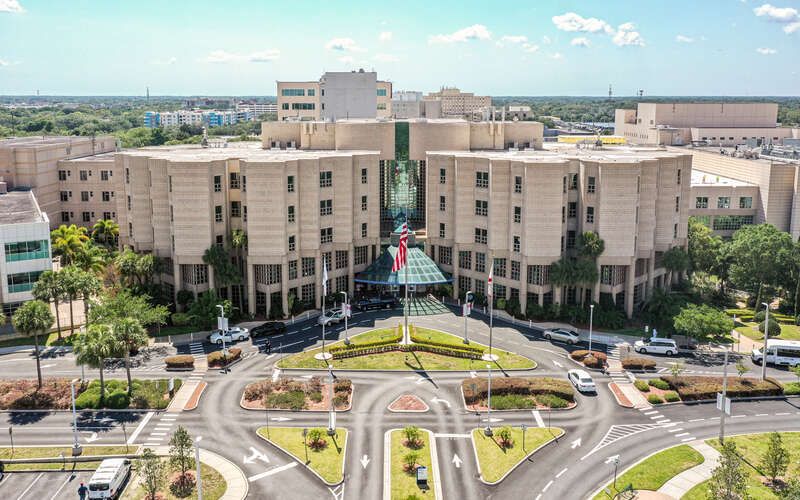
#1 Cancer Hospital in Tampa
Moffitt is the top-ranked cancer hospital in Tampa and central Florida and ranked No. 16 in the nation in Newsweek’s “America’s Best Cancer Hospitals."
What are the benefits and outcomes of autologous stem cell transplantation and other cellular therapies?
Clinical evidence supports ASCT and other emerging cellular therapies for select autoimmune conditions. Some patients achieve durable remission, even after other treatments have failed. Additionally, because autologous stem cell transplantation is a one-time procedure rather than ongoing medication-based therapy, it offers the possibility of reducing or eliminating the need for lifelong treatment.
What are the risks and considerations of autologous stem cell transplantation and other cellular therapies?
ASCT and other emerging cellular therapies represent a promising new approach for people with treatment-resistant autoimmune disease. However, because these high-intensity therapies work by altering or resetting the immune system, they also carry certain risks that require careful consideration.

Cell Therapy Experts
Moffitt's Blood & Marrow Transplant and Cellular Immunotherapy Program is recognized by FACT for meeting the highest standards for high-quality medical and laboratory practice in cellular therapies.
Key risks and considerations include:
Temporary immune suppression
Before the harvested stem cells are reinfused into the bloodstream, the patient will receive high-dose chemotherapy or another rigorous conditioning treatment to destroy the malfunctioning immune cells. While this step is essential for the therapy’s success, it will also leave the patient temporarily immunocompromised, increasing the risk of serious infections until the immune system is fully reestablished.
Short-term side effects
The chemotherapy used to prepare the patient for the transplant may cause:
- Fatigue and weakness
- Nausea, vomiting or loss of appetite
- Mouth sores
- Hair loss
- Low blood cell counts, which can lead to anemia, excessive bleeding or infection
These side effects are usually temporary but may be severe in some cases.
Organ and tissue complications
High-dose chemotherapy can potentially affect the function of vital organs, such as the heart, lungs, liver and kidneys. Careful pretransplant testing and continual monitoring can help reduce this risk.
Hospitalization and recovery
Most patients remain hospitalized for several weeks during the transplant process. After discharge, frequent follow-up appointments will be necessary to monitor blood cell counts, immune recovery and organ function. The recovery time can vary but usually takes several months.
Uncertain long-term effects
While many patients achieve long-lasting remission, not all respond to treatment the same way, and some autoimmune conditions may return over time. Through ongoing research, scientists continue to study the long-term safety and durability of cellular therapies, including CAR-T cell–based approaches.
Emotional and financial considerations
ASCT is an intensive, life-changing procedure that can be both physically and emotionally demanding. To help ensure full preparation and peace of mind, the patient should review their insurance coverage, understand the potential out-of-pocket costs and plan for any logistical needs, such as time away from work and travel to the treatment center.
Getting started: What to ask your provider about ASCT and cellular therapy
If you and your neurologist or rheumatologist believe you might be a candidate for advanced cellular therapy at Moffitt, here are some questions you might want to ask:
- Which treatment options are appropriate for me, and what outcome can I expect?
- Can you explain the ASCT process, including the potential benefits and risks?
- What does the pretransplant evaluation involve?
- What will the hospital stay be like?
- What follow-up care will be required?
- Will I continue with my original healthcare team after the procedure?
Moffitt is proud to serve as a hub for cellular therapy. By collaborating with community neurology and rheumatology teams during pre-transplant and post transplant, we allow our patients to benefit from groundbreaking treatment opportunities while continuing their trusted, long-term healthcare team relationships.
Benefit from world-class care at Moffitt Cancer Center
If you are living with a treatment-resistant autoimmune condition, a comprehensive evaluation and expert care may open up new possibilities. Very few treatment centers in the United States offer autologous stem cell transplantation and other emerging cellular therapies, with Moffitt being only the second in Florida.
If you would like to learn more, you can request an appointment with an expert in the Blood and Marrow Transplant and Cellular Immunotherapy (BMT- CI) at Moffitt by calling 1-888-663-3488 or completing our new patient registration form online. We do not require referrals. At Moffitt, you will be fully supported by a dedicated healthcare team that will provide comprehensive care, including education, medical guidance and coordinated follow-up care to ensure the safest and most effective treatment experience possible.