
Radiation Therapy for Esophageal Cancer
Esophageal cancer forms in the tissues of the esophagus, a muscular tube that carries food and liquids from the throat to the stomach. The two main types are squamous cell carcinoma, which begins in the upper or middle part of the esophagus, and adenocarcinoma, which affects the lower section. Usually, the cancer develops slowly over time and is most often diagnosed in adults older than 55. Risk factors include long-term tobacco use, heavy alcohol consumption, gastroesophageal reflux disease (GERD) and Barrett’s esophagus.
Because early-stage esophageal cancer usually does not cause noticeable symptoms, the condition often goes undetected until it has progressed. Warning signs include difficulty swallowing, unintentional weight loss, chest discomfort and persistent heartburn. The diagnostic process may involve a physical examination, imaging tests, endoscopy and biopsy to confirm the presence of cancer.
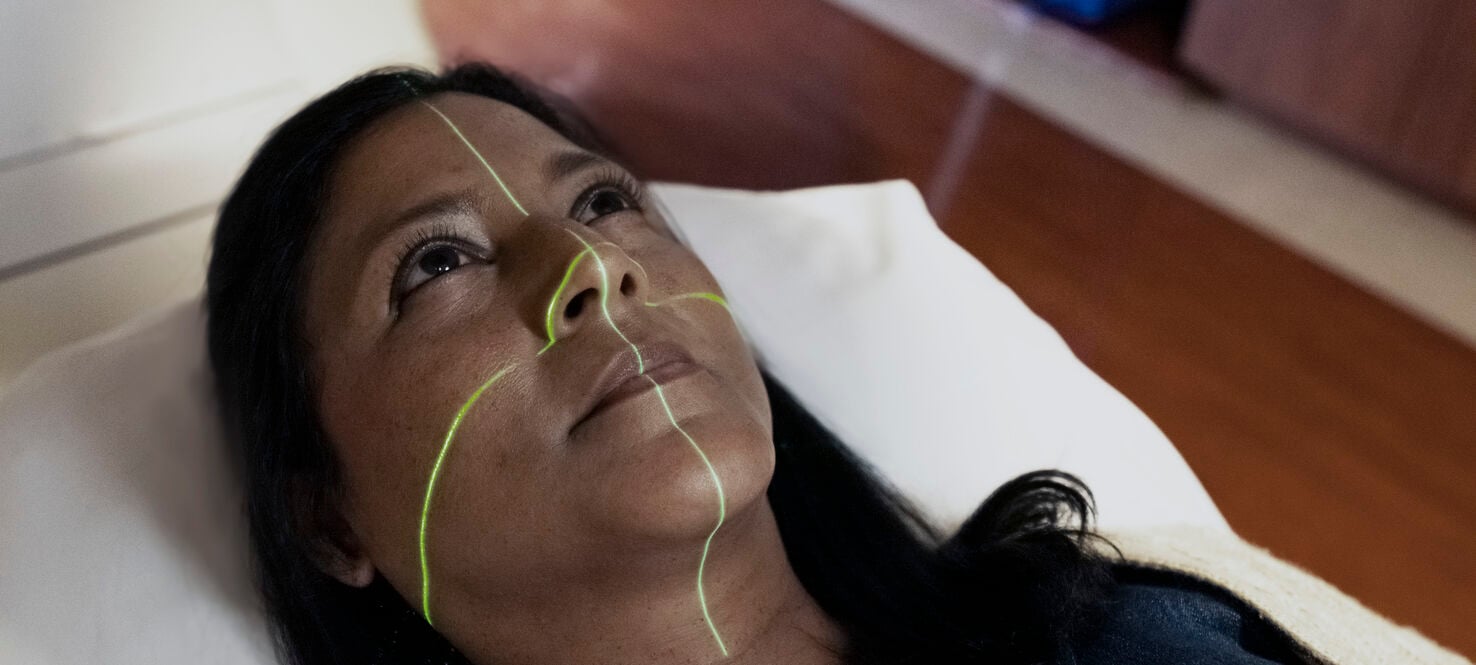
Esophageal cancer treatment is precisely tailored to the patient’s needs and goals, often including surgery, chemotherapy and radiation therapy. Radiation therapy plays a key role in both curative and supportive treatment, helping to shrink tumors, relieve symptoms and support other interventions as part of a comprehensive care plan.
When is radiation therapy used for esophageal cancer?
Radiation therapy for esophageal cancer can be used in several different ways based on the stage of the tumor and the patient’s treatment goals. Often, it is administered in combination with chemotherapy (chemoradiation) before or after surgery to improve the surgical outcome. Alternatively, it may be used as the primary treatment for a patient who is not a surgical candidate. If curative treatment for esophageal cancer is not possible, radiation therapy may be given to help relieve symptoms caused by an advanced tumor, such as esophageal obstruction and difficulty swallowing.
What does radiation therapy for esophageal cancer involve?
There are two main types of radiation therapy for esophageal cancer:
External beam radiation therapy (EBRT) for esophageal cancer
EBRT is the most frequently used type of radiation therapy for esophageal cancer. During each treatment session, high-energy beams are generated by an external source and directed at the tumor to destroy the cancerous cells or inhibit their growth. This noninvasive treatment approach may be used alone or in combination with chemotherapy and surgery, depending on the patient’s treatment plan.
How is external beam radiation therapy for esophageal cancer delivered?
EBRT is delivered by a special machine (linear accelerator) located outside the patient’s body. The linear accelerator sends powerful energy beams directly to the tumor site, minimizing any exposure to the surrounding healthy tissues. Often used in combination with chemotherapy for enhanced treatment effectiveness, external beam radiation therapy is typically administered on an outpatient basis, with sessions scheduled five days a week over several weeks.

"Everybody is on the same page at Moffitt. It doesn't matter if you're with the nurses, the doctors — even billing. It's your best chance at beating cancer."
What are the possible side effects of external beam radiation therapy for esophageal cancer?
EBRT for esophageal cancer can sometimes affect healthy tissues near the tumor site, potentially leading to various side effects that can occur during or after treatment. These include:
- Difficulty swallowing – Inflammation of the esophagus may cause pain or discomfort when swallowing.
- Nausea and loss of appetite – During or immediately after radiation therapy, some patients experience changes in digestion or reduced desire to eat.
- Skin irritation – The skin in the treated area may become red, dry or tender.
- Sore throat and vocal hoarseness – Radiation therapy for esophageal cancer can irritate the throat and vocal cords, particularly when the upper esophagus is treated.
- Tiredness – A common side effect of radiation therapy, fatigue may increase as the treatment progresses.
- Unintended weight loss – Difficulty swallowing and decreased appetite can result in weight loss.
The side effects of external beam radiation therapy are usually temporary and manageable with supportive care. If necessary, the physician may adjust the treatment plan or suggest dietary changes, medications and other strategies to minimize discomfort and support recovery.
What are the risks and possible complications of external beam radiation therapy for esophageal cancer?
EBRT for esophageal cancer carries certain risks and potential complications, particularly when used for an extended period or in combination with other treatments, such as chemotherapy. While many side effects are temporary, some can be serious or long-lasting.
Potential risks and complications of external beam radiation therapy for esophageal cancer may include:
- Radiation esophagitis – Prolonged inflammation of the esophagus may lead to pain, scarring or narrowing (stricture), which can make swallowing difficult.
- Long-term swallowing difficulties – Persistent scarring or esophageal stricture may require additional treatment to restore normal function.
- Lung damage – Because the esophagus is located near the lungs, radiation therapy for esophageal cancer may affect lung tissue and cause inflammation (radiation pneumonitis), especially in a patient with a pre-existing lung condition.
- Heart effects – In rare cases, nearby heart structures may be affected by radiation therapy for esophageal cancer, particularly if treatment involves the middle or lower esophagus.
- Fistula formation – In advanced cases, an abnormal connection may develop between the esophagus and a nearby organ, such as the trachea. This complication is rare but serious.
The risk of complications can vary depending on the treatment dose, the location of the tumor and the patient’s overall health. Radiation therapy will be carefully planned to minimize these risks while effectively targeting cancer cells.
What to expect during recovery from external beam radiation therapy for esophageal cancer
Recovery from EBRT for esophageal cancer is a gradual process that can vary depending on the treatment dose, the length of therapy and the patient’s overall health. Most patients start to feel better within a few weeks after completing treatment, but some side effects may take longer to resolve.
During recovery, the patient may continue to experience fatigue, difficulty swallowing or soreness in their throat and chest. These symptoms should improve over time as the esophagus begins to heal. Maintaining good nutrition is especially important, although the patient may need to rely on soft foods or nutritional supplements if swallowing remains difficult.
Follow-up care is essential during the recovery period. The patient will attend regular appointments with their physician to monitor their healing, manage any lingering side effects and evaluate the effectiveness of treatment. Additional support, such as speech or nutrition therapy, may be considered to help the patient regain strength and restore daily function. With time and consistent care, many patients find that their energy, comfort and overall well-being return.
Internal radiation therapy for esophageal cancer
Internal radiation therapy, also known as brachytherapy, is a targeted treatment that can be used to deliver radiation directly to a tumor in the esophagus. This precise approach allows for a high dose of radiation to be concentrated in a relatively small area, helping to destroy cancer cells while limiting exposure to the surrounding healthy tissues. Brachytherapy is often used in combination with other esophageal cancer treatments, such as EBRT or chemotherapy, and may be recommended for symptom relief or to improve swallowing in advanced cases.
How is internal radiation therapy for esophageal cancer delivered?
Internal radiation therapy for esophageal cancer is typically delivered through a process known as endoluminal brachytherapy. Guided by real-time imaging, the physician will insert a thin tube (catheter) into the nose or mouth, guide it down the esophagus and position it at the tumor site. The physician will then insert a small radioactive source into the catheter, keeping it in place for a short period to deliver focused radiation directly to the tumor.
Endoluminal brachytherapy is usually performed on an outpatient basis and may require multiple sessions depending on the specifics of the treatment plan. Once the radiation therapy is delivered, the radioactive source and catheter are removed, leaving no radioactive material inside the body.
What are the possible side effects of internal radiation therapy for esophageal cancer?
Brachytherapy for esophageal cancer can cause localized side effects because tissues in and around the esophagus may be directly exposed to the radiation. These side effects tend to be focused around the treated area and can vary depending on the dose and duration of treatment.
Possible side effects of internal radiation therapy for esophageal cancer include:
- Difficulty swallowing – Swelling in the esophagus can make it difficult to eat or drink.
- Esophageal ulceration – In some cases, brachytherapy may cause sores or inflammation to develop within the esophagus.
- Fatigue – General tiredness can occur as the body responds to the stress of radiation therapy.
- Nausea – Discomfort from radiation treatment near the upper digestive tract may include a queasy stomach.
- Sore throat or chest discomfort – Irritation from the radiation may cause pain or a burning sensation during swallowing.
Although these side effects can be uncomfortable, most improve over time with supportive care. The patient will be closely monitored during and after radiation treatment to help manage any symptoms and prevent complications.
What are the risks and possible complications of internal radiation therapy for esophageal cancer?
Brachytherapy for esophageal cancer is generally safe when administered by an experienced medical team, but it does carry certain risks and potential complications due to the concentrated radiation dose delivered directly to the tumor site.
Possible risks and complications of internal radiation therapy for esophageal cancer include:
- Bleeding – Irritation or injury to blood vessels in the esophagus can cause bleeding, particularly in a patient who has previously received other therapies.
- Esophageal stricture – Scar tissue from radiation exposure can lead to narrowing of the esophagus, making swallowing difficult and sometimes requiring a dilation procedure.
- Fistula formation – In rare cases, a passage (fistula) may form between the esophagus and a nearby structure, such as the trachea, which can cause serious complications and may require surgical intervention.
- Ulceration or perforation – High doses of localized radiation may damage the esophageal lining, potentially causing a painful ulcer or, in very rare cases, perforation of the esophageal wall.
While these complications are uncommon, they underscore the importance of careful treatment planning and follow-up care. After weighing the potential benefits and risks of internal radiation therapy, the physician will tailor the treatment strategy to the patient’s specific needs and overall health condition.
 Florida's First NCI-designated Comprehensive Cancer Center
Recognized for its scientific excellence, Moffitt is the state's longest-established National Cancer Institute-designated Comprehensive Cancer Center.
What to expect during recovery from internal radiation therapy for esophageal cancer
Recovery from brachytherapy is generally shorter than recovery from external beam radiation therapy, but the patient may still experience temporary side effects as their body adjusts to the effects of the treatment.
In the days following the procedure, it is common to experience mild discomfort or a burning sensation when swallowing, which should resolve within a few weeks. Some patients may also notice fatigue, nausea and/or loss of appetite, especially if brachytherapy was combined with other treatments, such as chemotherapy or EBRT. These effects are usually manageable with supportive care and medications.
The patient will be monitored closely after treatment to assess their healing and detect any early signs of complications, such as esophageal irritation or narrowing. Follow-up appointments and imaging tests may be scheduled to evaluate the treatment response and ensure the cancer has not recurred or progressed. Most individuals can gradually return to their regular activities during recovery, although a soft diet and extra hydration are often recommended in the early phase to ease any swallowing discomfort.
How effective is radiation therapy for esophageal cancer?
Radiation therapy can be an effective treatment for esophageal cancer, especially when used in combination with chemotherapy or surgery. In many cases, it plays a key role in shrinking tumors, relieving symptoms and controlling cancer progression. While its success can vary based on several individual factors, including the stage and location of the tumor, radiation therapy has been shown to improve the outcome and quality of life for many patients.
Benefit from world-class care at Moffitt Cancer Center
Moffitt offers the latest options in esophageal cancer treatment, including innovative radiation-based therapies. We use groundbreaking technologies, such as Trilogy, Truebeam and Novalis, precisely tailoring each patient’s treatment plan to their specific needs and goals.
Accredited by the American College of Radiology (ACR), Moffitt’s Radiation Oncology Program focuses exclusively on planning and delivering radiation therapy. Our patients with esophageal cancer can benefit from the expertise of a multispecialty team of radiation oncologists, radiation therapists, dosimetrists, physicists, nursing specialists and other medical professionals.
If you would like to learn more about radiation therapy for esophageal cancer, you can request an appointment with a specialist in our Gastrointestinal Oncology Program by calling 1-888-663-3488 or submitting a new patient registration form online. We do not require referrals.