
Esophagectomy
Esophageal cancer begins in the esophagus, a muscular tube that carries food from the throat to the stomach. Most tumors form in the inner lining and grow outward, sometimes spreading to nearby lymph nodes or distant organs. The two most common types of esophageal cancer are adenocarcinoma, which is often linked to chronic acid reflux or Barrett’s esophagus, and squamous cell carcinoma, which is more commonly associated with tobacco and alcohol use.
Symptoms of esophageal cancer can be subtle at first but often include difficulty swallowing, unintended weight loss, chest discomfort, persistent coughing, vocal hoarseness and worsening indigestion or reflux. The condition tends to affect older adults, and it is more common in men than women. In the United States, more than 20,000 people are diagnosed with esophageal cancer each year. In most cases, early detection can significantly improve the outcome.
Treatment for esophageal cancer can vary depending on the stage and location of the tumor and the patient’s overall health. Options may include chemotherapy, radiation therapy, targeted therapy and immunotherapy. For many patients, especially those with localized cancer, surgery to remove part or all of the esophagus—known as esophagectomy—is a core component of treatment.
What is esophagectomy?
An esophagectomy is a surgical procedure that involves removing a portion of the esophagus—in some cases, most of it—to treat cancer or another serious condition, such as severe Barrett’s esophagus with high-grade dysplasia. After the diseased section of the esophagus is removed, the surgeon will reconstruct the digestive tract, typically by pulling the stomach upward into the chest or neck and reconnecting it to the remaining esophagus.
This complex but potentially life-saving procedure can allow the patient to continue eating and swallowing after esophageal cancer treatment. However, lifestyle adjustments are often necessary during recovery and over the long-term.

"Everybody is on the same page at Moffitt. It doesn't matter if you're with the nurses, the doctors — even billing. It's your best chance at beating cancer."
What are the types of esophagectomy procedures?
There are several approaches to esophagectomy, and the best choice will depend on the location and stage of the tumor and other patient-specific factors. Common techniques include:
- Ivor Lewis esophagectomy – Involves incisions in the abdomen and chest, with the reconstruction performed in the chest
- McKeown esophagectomy – Uses incisions in the abdomen, chest and neck, with the connection made in the neck
- Transhiatal esophagectomy – Performed through the abdomen and neck without opening the chest
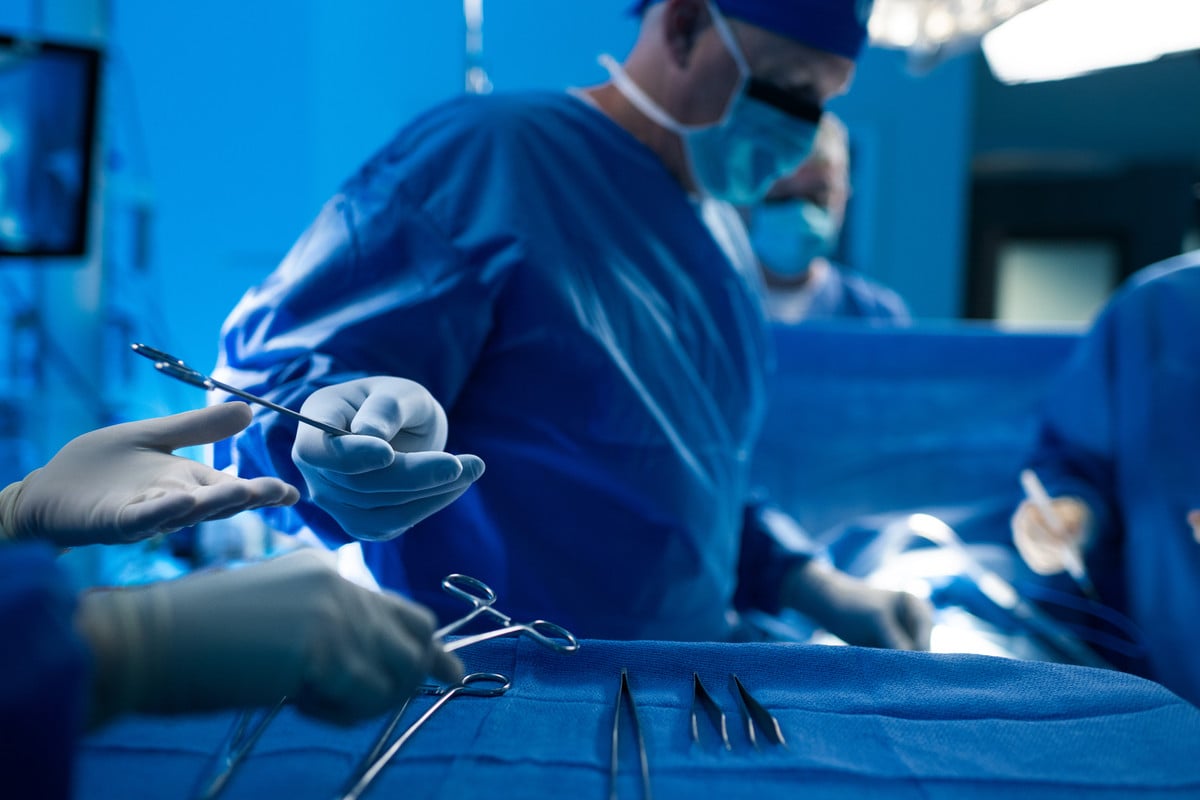
Leading cancer centers, such as Moffitt Cancer Center, strongly emphasize minimally invasive and robotic-assisted esophagectomies. These advanced procedures use small incisions, specialized instruments and enhanced visualization to achieve a high level of surgical precision. Compared to traditional open surgery, minimally invasive esophagectomy is more often associated with:
- Reduced pain
- A shorter hospital stay
- A faster recovery
- A lower risk of complications in an appropriately screened candidate
Rated High Performing in Gastrointestinal Cancer Surgery
Schedule an AppointmentWhen is esophagectomy considered?
In general, esophagectomy may be recommended if:
- The tumor is confined to the esophagus or locally advanced, but still removable
- The cancer responded well to preoperative chemotherapy and/or radiation therapy
- The goal is curative treatment rather than symptom management alone
Although esophagectomy may also be considered for certain noncancerous conditions, cancer treatment is the most common indication.
Who is a candidate for esophagectomy?
Not every patient with esophageal cancer is eligible for surgical treatment. To determine candidacy, the healthcare team will carefully evaluate the patient’s:
- Overall health and fitness for major surgery
- Heart and lung function
- Nutritional status
- Tumor stage and spread
In general, the best candidates for esophagectomy are strong enough to tolerate a significant surgical procedure and do not have extensive cancer spread. If surgery is appropriate, a multispecialty team will determine the safest and most effective approach.
How to prepare for esophagectomy
Preparation for esophagectomy begins well before the day of the procedure. Many patients participate in prehabilitation, or “pre-hab,” which is a structured program designed to improve physical and nutritional readiness for surgery. This may include:
- Strength and endurance training
- Breathing exercises to support lung function
- Nutritional optimization to address possible weight loss or vitamin deficiencies
- Smoking cessation, which is critical for reducing surgical complications
Taking these steps can improve the surgical outcome and promote recovery.
What happens during esophagectomy?
When performing an esophagectomy, the surgeon will remove the cancerous section of the esophagus along with some nearby lymph nodes, which will be microscopically examined by a pathologist to check for evidence of cancer spread. Next, the surgeon will reshape the stomach into a tube and reconnect it to the remaining portion of the esophagus.
Esophagectomy may be performed through small incisions using minimally invasive or robotic techniques, or through a larger incision in open surgery. The procedure typically takes several hours and is done under general anesthesia.
What happens during the hospital stay and early recovery?
Immediately after esophagectomy, the patient will be closely monitored in the intensive care unit (ICU) or a specialized recovery unit. Once stable, they may transition to a step-down unit. Most patients remain in the hospital for observation over the next seven to 10 days.
While the patient is hospitalized, the healthcare team will provide support to help manage pain, improve breathing and promote healing. Initially, a feeding tube may be used to help ensure adequate nutrition while the surgical connection heals. The patient will be encouraged to gradually begin moving, performing breathing exercises and transition to nutritional support.
What are the possible risks and side effects of esophagectomy?
Like any major surgery, esophagectomy carries certain risks, such as:
- Infection
- Bleeding
- Leakage at the surgical connection
- Lung-related complications, such as pneumonia
Potential long-term side effects of esophagectomy include:
- Reflux – Because the natural valve between the stomach and esophagus will be altered, stomach acid may flow backward into the esophagus and cause heartburn.
- Dumping syndrome – Symptoms such as nausea, cramping or dizziness may occur if food moves too quickly into the small intestine.
While these effects can be challenging, most can be managed with dietary adjustments, medications and guidance from the healthcare team.
What is life like after esophagectomy?
Life after esophagectomy involves adapting to a “new normal” for eating and digestion. Most patients transition through several stages, including:
- A liquid diet
- Gradual introduction of soft foods
- Addition of more solid foods
Over the long term, many patients adopt a grazing-style diet, which involves eating several smaller, more frequent meals throughout the day rather than three large meals. Staying upright after eating and avoiding certain trigger foods can help manage reflux and improve comfort. With time and support, many patients return to an active and fulfilling lifestyle after esophagectomy.
Frequently asked questions (FAQs) about esophagectomy
Many patients have similar concerns as they prepare for esophagectomy and recovery. The following FAQs and corresponding answers may be helpful:
How long is the average hospital stay after esophagectomy?
On average, most patients remain hospitalized for seven to 10 days after esophagectomy. However, the length of the hospital stay can vary depending on how quickly the patient recovers and whether any complications arise.
Will I need a feeding tube after esophagectomy, and if so, for how long?
Most likely, yes. After esophagectomy, many patients have a temporary jejunostomy tube (J-tube) in place to help ensure proper nutrition during early healing. Typically, the J-tube will be used for several weeks and removed once the patient can safely meet their nutritional needs by mouth.
What is “dumping syndrome” and how can I prevent it?
Dumping syndrome occurs when food moves too quickly into the small intestine. The symptoms, which can include nausea, cramping, diarrhea and lightheadedness, can often be managed by eating smaller meals, limiting sugar and separating food and liquid intake throughout the day.
Will I be able to eat “normal” food again after esophagectomy?
Most patients can gradually resume eating a wide variety of foods after esophagectomy. However, eating habits often change permanently, with smaller portions and more frequent meals becoming the norm.
How do I prepare my body for a major surgery like an esophagectomy?
Participating in the pre-hab program recommended by the healthcare team, which will typically include improving nutrition and stopping smoking if necessary, is among the most important steps the patient can take to strengthen their body before surgery.
What are the signs of an esophagectomy complication that require a call to my physician?
The patient should contact the healthcare team right away if they experience fever, worsening pain, difficulty breathing, trouble swallowing, persistent vomiting or signs of infection at an incision site. Early communication is essential to ensure prompt and effective care.
Benefit from world-class care at Moffitt Cancer Center
Moffitt offers a comprehensive, multispecialty team-based approach to esophageal cancer care. Our patients benefit from:
- The specialized expertise of surgeons, medical oncologists, radiation oncologists and supportive care professionals
- The latest minimally invasive and robotic-assisted surgical techniques
- Individualized treatment plans tailored to each patient’s diagnosis and health
- Access to advanced therapies and a robust portfolio of clinical trials
To learn more about esophagectomy or to find out whether this procedure may be appropriate for you, call 1-888-663-3488 or submit a new patient registration form online to request an appointment with a specialist in the Gastrointestinal Oncology Program at Moffitt. We do not require referrals.