
Inflammatory Breast Cancer Treatment
Inflammatory breast cancer (IBC) is a rare and aggressive cancer that tends to develop rapidly, often within a few weeks or months. Unlike most other types of breast cancer, IBC does not usually form a distinct lump that can be felt or seen in medical images. Instead, common warning signs include redness or a rash covering a large portion of the breast, swelling, warmth, tenderness and skin thickening or dimpling that resembles an orange peel (peau d’orange). The breast may also feel heavy or itchy. These symptoms occur when cancer cells block the lymphatic vessels in the skin of the breast, leading to fluid accumulation and characteristic inflammation.
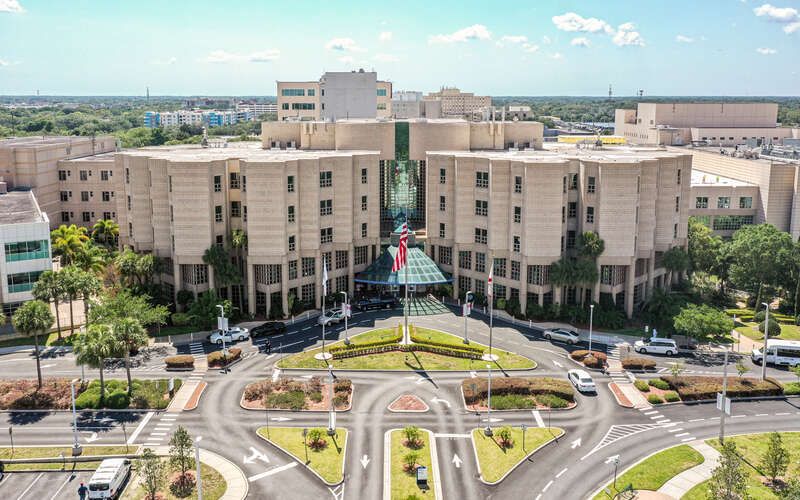
#1 Cancer Hospital in Tampa
Moffitt is the top-ranked cancer hospital in Tampa and central Florida and ranked No. 16 in the nation in Newsweek’s “America’s Best Cancer Hospitals."
Inflammatory breast cancer primarily affects women younger than 50, but it can also occur in older women and, rarely, in men. While the exact cause is not fully understood, scientists have identified certain genetic mutations, environmental factors and lifestyle elements that may contribute to its development. Because it usually spreads quickly, IBC requires a prompt diagnosis and treatment.
Diagnosing inflammatory breast cancer generally involves a combination of clinical examination and imaging tests, such as mammography, ultrasound and magnetic resonance imaging (MRI). Because IBC affects the skin and lymphatic vessels, a skin biopsy is essential to confirm the diagnosis. Due to its rapid progression, it is often diagnosed at a more advanced stage than other breast cancers.
Given the aggressive nature of inflammatory breast cancer, treatment typically requires a multimodal approach. Many patients begin with systemic therapy, such as chemotherapy, to destroy widespread cancer cells. Chemo may be followed by surgery to remove cancerous tissues, radiation therapy to control localized cancer and possibly hormone therapy if the cancer is hormone-receptor-positive. The complexity of IBC treatment requires coordination among oncology specialists to develop a personalized plan based on the stage of the cancer and the patient’s overall health.
Chemotherapy for inflammatory breast cancer
Chemotherapy is often the first-line treatment for IBC, which tends to progress quickly. Systemic treatment may be needed to reach cancer cells that have spread beyond the breast to distant organs and tissues. Chemo may be used before surgery to target rapidly dividing cancer cells throughout the body. In addition to controlling symptoms, such as breast pain and swelling, this approach can heighten the effectiveness of follow-up surgery or radiation therapy.
What does chemotherapy for inflammatory breast cancer involve?
Chemo uses powerful cancer-fighting medications that circulate through the bloodstream to reach diffuse cancer cells in the breast tissues and elsewhere in the body. Treatment is usually administered through intravenous (IV) infusion in a hospital or outpatient clinic over several cycles, which may span a few months. The most commonly used chemotherapy agents for inflammatory breast cancer are anthracyclines and taxanes. In some cases, targeted therapies may be included based on the specific characteristics of the cancer.
What are the potential benefits of chemotherapy for inflammatory breast cancer?
The main benefit of chemotherapy is its ability to eliminate cancerous cells, which can relieve IBC symptoms and increase the likelihood of a successful surgical outcome. In addition to cancer cells that remain localized in the breast tissues, chemo can address those that have spread to nearby lymph nodes or distant organs, even if the metastasis is not yet detectable in imaging scans.
What are the risks and possible complications of chemotherapy for inflammatory breast cancer?
Most cancer cells have a fast growth cycle. Chemotherapy is designed to capitalize on that characteristic by targeting areas of the body with high cellular turnover rates. However, in addition to damaging cancerous cells, chemo can sometimes affect healthy cells that naturally divide rapidly, such as those in the digestive tract, hair follicles and bone marrow. If healthy cells are damaged, a variety of side effects can occur, such as nausea, vomiting, fatigue, hair loss, mouth sores and increased susceptibility to infection. Some patients also experience appetite changes, weight loss or neuropathy.
Though rare, long-term risks of chemotherapy include heart and nerve damage, depending on the specific drugs used. Throughout treatment, the patient will be monitored closely by the oncology team to manage these risks effectively and provide supportive care, such as medications to relieve nausea or prevent infection.
What is the recovery process like?
Recovery from chemotherapy is ongoing and varies by individual. Some side effects, such as fatigue, may linger for several weeks or months after treatment ends. The patient will be encouraged to maintain a balanced diet, get adequate rest and engage in light physical activity to support their recovery. Routine blood tests, imaging scans and physical exams will be performed after chemo to assess the treatment response and guide the next phase of care.

ACS Surgical Quality Partner for 30+ Years
Continuously Accredited by the American College of Surgeons Commission on Cancer since 1989 for our commitment to providing comprehensive, high-quality and multispecialty patient-centered care.
Surgery for inflammatory breast cancer
Surgery is often a critical part of the overall treatment plan for IBC. Typically, it is performed after chemotherapy. The primary goal is to remove as much cancer as possible from the breast and nearby tissues. Because inflammatory breast cancer commonly involves both the breast tissue and overlying skin, the surgical treatment approach is often more extensive than that used for other types of breast cancer.
What does inflammatory breast cancer surgery involve?
The standard surgical procedure for IBC is a modified radical mastectomy, which involves removing the entire affected breast, including the skin and nipple, as well as the axillary lymph nodes under the arm. Because the cancer usually affects the breast skin, skin-sparing and nipple-sparing surgical techniques are generally not recommended. If the patient elects reconstructive surgery, the procedure will likely be delayed until IBC treatment is completed.
What are the potential benefits of inflammatory breast cancer surgery?
When performing a mastectomy, the surgeon can remove any visible cancerous cells that remain in the breast tissues and nearby lymph nodes after chemotherapy, significantly reducing the local tumor burden. If the patient responds well to chemotherapy, surgery can further improve the long-term outcome and reduce the risk of cancer recurrence.
What are the risks and possible complications of inflammatory breast cancer surgery?
Mastectomy carries the standard risks associated with any major surgery, including bleeding, infection, delayed wound healing and adverse reactions to the anesthesia. Additionally, lymph node removal can result in lymphedema, a condition characterized by arm swelling due to lymphatic fluid buildup. Some patients also experience numbness, tightness or reduced shoulder mobility. Post-operative physical therapy may be recommended to help manage these effects and support recovery.
What is the recovery process like?
Full recovery from a mastectomy can take up to several weeks or longer. After a brief hospital stay, the patient may be discharged with temporary drains in place to remove fluid buildup. The healthcare team will provide detailed post-operative wound care instructions. In general, light activities can be resumed gradually, but heavy lifting and strenuous movement should be avoided during the initial recovery period. Follow-up care will be important to monitor healing and determine the patient’s readiness for radiation therapy.

Radiation therapy for inflammatory breast cancer
Often the final step in the standard sequence of care for IBC, radiation therapy may be administered after surgery to help destroy any microscopic cancer cells that remain in the chest wall, breast skin or nearby lymph nodes. Because inflammatory breast cancer has a high risk of local recurrence, radiation therapy is often a critical component of long-term cancer control.
External beam radiation therapy (EBRT) for inflammatory breast cancer
EBRT is the most common type of radiation therapy for IBC. This treatment technique uses an external machine (linear accelerator), which rotates around the patient’s body to deliver high-energy beams from multiple angles, precisely targeting the chest wall and surrounding lymph node regions. Sometimes, imaging is used to guide the delivery of the beams.
What does external beam radiation therapy for inflammatory breast cancer involve?
EBRT typically begins a few weeks after surgery for IBC, allowing time for the surgical incisions to heal. Treatment is usually administered five days per week over the course of several weeks. While each radiation session lasts only a few minutes, additional time is required for preparation and precise positioning. The treatment plan is tailored to the extent of the cancer and the patient’s unique anatomy to ensure optimal accuracy and effectiveness.
What are the potential benefits of external beam therapy for inflammatory breast cancer?
When administered after IBC surgery, EBRT can help eliminate any microscopic cancer cells that remain in the chest wall, breast skin and lymphatic tissues, reducing the risk of local recurrence. It can also help control IBC symptoms, such as breast pain and skin changes that persist after mastectomy. When included in a comprehensive treatment plan, radiation therapy can improve the patient’s outcome and quality of life.
What are the risks and possible complications of external beam radiation therapy for inflammatory breast cancer?
Common side effects of EBRT for IBC include fatigue and skin changes, such as irritation, redness and peeling, often resembling a sunburn. Some patients also experience swelling, tightness or discomfort in the treated area. Though uncommon, radiation therapy can affect nearby organs, including the heart and lungs. These risks can be reduced through meticulous treatment planning and regular adjustments to ensure precise targeting of the radiation dose.
What is the recovery process like?
Side effects of EBRT usually improve gradually and resolve within a few weeks after treatment ends. During recovery, the patient will be advised to keep the treated skin clean and moisturized, avoid sun exposure and wear comfortable, loose-fitting clothing. Follow-up appointments will be scheduled to assess the treatment response and detect any late-onset effects.
Internal radiation therapy for inflammatory breast cancer
Also referred to as brachytherapy, internal radiation therapy is used less frequently for inflammatory breast cancer than external beam radiation therapy. This is largely because IBC often affects large areas of the skin and lymphatic system, making localized treatment less effective. However, in select cases, brachytherapy may be considered to help reduce the risk of local recurrence following surgery and chemotherapy. The procedure involves surgically placing a small radioactive source directly inside or near the tumor bed to deliver concentrated radiation as close to the cancer site as possible.
What does internal radiation therapy for inflammatory breast cancer involve?
Brachytherapy is typically performed in a hospital setting. After the patient is given anesthesia for comfort, the physician will insert a catheter or applicator into the treatment site, often using imaging guidance to ensure precise placement. The physician will then position the radioactive source within or near the targeted area.
The method and duration of brachytherapy can vary depending on the specific treatment plan. Several types of internal radiation therapy may be used, such as:
- High-dose rate (HDR) brachytherapy – A high-intensity radioactive source will be placed inside the body for a short period, typically several minutes, once per day. After each session, the source will be removed. The patient may either return home between sessions or remain hospitalized for the entire course of treatment. The applicator may be inserted and removed during each visit or remain in place until all sessions are completed.
- Low-dose rate (LDR) brachytherapy – The applicator device and radioactive source will remain in place for an extended period, usually several hours to a few days. During this time, the patient will remain under observation in the hospital to ensure safety and monitor for side effects.
- Permanent brachytherapy – Also known as seed implantation, this approach involves placing a low-dose radioactive source directly into the cancer site, where it will remain permanently. The source will gradually lose its radioactivity over time and, once it becomes inactive, it can be left in place indefinitely without issue.
What are the potential benefits of internal radiation therapy for inflammatory breast cancer?
When appropriate, brachytherapy can allow for highly targeted radiation delivery, which can help limit exposure to nearby healthy tissues and reduce both treatment duration and potential side effects. In the treatment of IBC, internal radiation therapy can supplement EBRT or serve as an alternative when external radiation therapy is not feasible due to prior treatments or anatomical limitations.
What are the risks and possible complications of internal radiation therapy for inflammatory breast cancer?
Side effects of brachytherapy for IBC may include localized pain, swelling and skin irritation near the treatment site. If the delivery device remains in place for an extended period, there is also a risk of infection. With careful treatment planning and close monitoring, these risks can typically be minimized and effectively managed.
What is the recovery process like?
Brachytherapy generally involves a shorter recovery period than external radiation therapy. Most patients can resume their normal activities soon after treatment, although some may need brief observation for side effects. Follow-up care will involve regular physical examinations and imaging studies to monitor the treatment response and check for signs of recurrence.
Hormone therapy for inflammatory breast cancer
Hormone therapy may be appropriate for a patient with IBC that tests positive for estrogen receptors (ER) or progesterone receptors (PR). This treatment works by blocking the body’s production or use of certain hormones that can stimulate cancer cell growth. When effective, hormone therapy can help reduce the risk of recurrence and support long-term cancer control.
What does hormone therapy for inflammatory breast cancer involve?
Hormone therapy typically involves taking a daily oral medication, such as tamoxifen or an aromatase inhibitor. Tamoxifen can block estrogen from binding to the estrogen receptors on breast cancer cells, preventing the hormone from stimulating cell growth. Aromatase inhibitors can reduce the body’s production of estrogen, especially in postmenopausal women. The duration of hormone therapy generally ranges from five to 10 years, depending on the patient’s individual risk factors and treatment tolerance.
What are the potential benefits of hormone therapy for inflammatory breast cancer?
Hormone therapy for hormone receptor–positive IBC can substantially reduce the risk of recurrence, offering long-term protection against cancer returning to the breast or spreading to other areas of the body. For many patients, it is an effective and well-tolerated component of a comprehensive treatment plan.
What are the risks and possible complications of hormone therapy for inflammatory breast cancer?
Potential side effects of hormone therapy for IBC include hot flashes, joint stiffness, fatigue and mood changes. Depending on the specific medication, long-term use may also increase the risk of blood clots, bone loss and uterine changes, such as endometrial hyperplasia, endometrial polyps and thickening of the endometrial lining. Regular monitoring through physical exams and imaging scans will be essential to identify and manage any complications promptly.
What is the recovery process like?
Hormone therapy is taken over an extended period, and most patients gradually adapt to the treatment. Side effects often lessen over time or can be effectively managed with supportive care. Regular follow-up appointments will be scheduled to monitor treatment effectiveness and ensure the patient continues to receive the most appropriate regimen for their needs.
Benefit from world-class care at Moffitt Cancer Center
The multispecialty team in Moffitt’s renowned Don & Erika Wallace Comprehensive Breast Program takes a multimodal approach to inflammatory breast cancer treatment. We work closely with each patient to determine the most appropriate course of chemotherapy, which is precisely tailored to the specifics of the diagnosis. In many cases, chemotherapy for IBC is followed by surgery, radiation therapy and possibly hormone therapy. As a National Cancer Institute-designated Comprehensive Cancer Center, we also offer our patients access to promising new treatment options through our robust portfolio of clinical trials.
If you would like to learn more about inflammatory breast cancer treatment, you can request a consultation with a specialist by calling 1-888-663-3488 or submitting a new patient registration form online. We do not require referrals.
Treatment