
Chemotherapy for Stomach Cancer
Stomach cancer, also known as gastric cancer, develops when malignant cells form in the lining of the stomach. Most tumors begin in the innermost layer of the stomach wall and, if left untreated, may gradually grow into its deeper layers or spread to nearby lymph nodes and organs. Although the exact cause is not always known, certain factors can increase the risk, including long-term infection with Helicobacter pylori (H. pylori), smoking, a diet high in salty or smoked foods, chronic stomach inflammation and a family history of gastric cancer.
Warning signs of early-stage stomach cancer can be subtle, such as mild indigestion, abdominal discomfort, bloating, loss of appetite and unintentional weight loss. As the tumor progresses, the symptoms usually become more noticeable and persistent. The diagnostic process typically involves a combination of physical examination, imaging tests, endoscopy and biopsy.
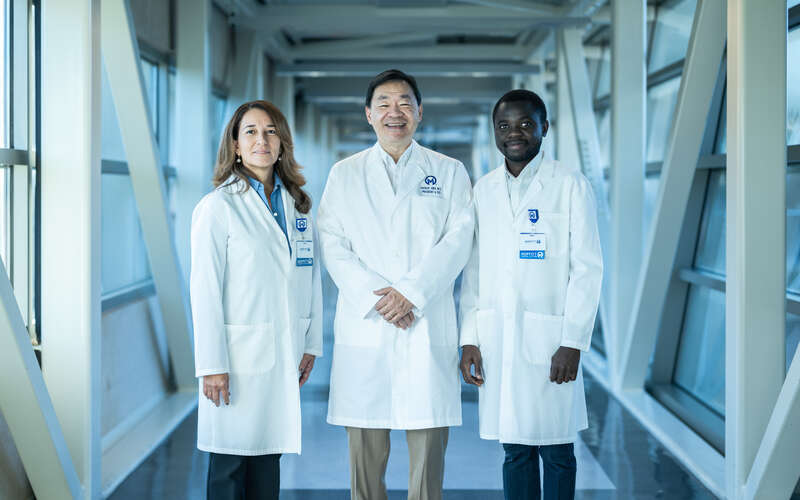
Ranked a Top Cancer Hospital in Nation
Moffitt is ranked 16th in the nation and is the top-ranked cancer hospital in Tampa and central Florida in Newsweek’s “America’s Best Cancer Hospitals."
Once the diagnosis is confirmed, an individualized treatment plan can be developed based on the location and stage of the tumor and the overall health of the patient. Chemotherapy is a common treatment option for gastric cancer and may be used alone or in combination with surgery or radiation therapy to help control the progression of the tumor and improve the patient’s outcome and quality of life.
When is chemotherapy used for stomach cancer?
Chemotherapy can be used for gastric cancer at various stages based on the patient’s individual needs and the overall treatment plan. It may be administered before surgery to shrink the tumor and make it easier to remove, or after surgery to target any remaining microscopic cancer cells and reduce the risk of recurrence.
If stomach cancer has advanced and spread to other parts of the body, chemotherapy can be used as the primary treatment to help slow the progression of the tumor, relieve the related symptoms and improve the patient’s quality of life. Chemo is often combined with other therapies, such as radiation therapy or targeted therapy, as part of a comprehensive cancer care approach.
What does chemotherapy for stomach cancer involve?
Chemotherapy for gastric cancer involves the use of strong medications that enter the bloodstream and circulate throughout the body to destroy widespread cancerous cells or stop them from growing and dividing. Chemo drugs are typically given in cycles, with each active treatment session followed by a rest period to allow the body time to recover. The specific combination of medications and the number of treatment cycles can vary depending on several factors, including the stage of the tumor, the patient’s overall health and the goals of treatment.
What happens during chemotherapy for stomach cancer?
During chemotherapy for gastric cancer, the patient will receive a customized combination of powerful anti-cancer drugs designed to target and destroy rapidly dividing cells. Chemo medications are most commonly administered through a vein (intravenously) in an outpatient infusion center, although some drugs can be taken by mouth in pill, capsule or liquid form in a physician’s office or the patient’s home.
Intravenous chemotherapy for stomach cancer may be delivered using one of several methods, each designed to provide reliable access to the bloodstream:
- Cannula – A short, flexible tube is inserted into a vein in the back of the hand or lower arm for short-term use.
- Central line – A long, thin tube is placed into a vein in the chest, typically for longer-term treatment.
- Peripherally inserted central venous catheter (PICC) line – A long, thin tube is inserted into a vein in the upper arm and threaded toward a large central vein near the heart.
- Implantable port (portacath) – A soft, hollow tube connected to a small device placed under the skin of the chest or upper arm, offering long-term access for repeated treatments.
Once the access point is established, the chemo drugs can be administered via injection, slow drip or infusion pump. The treatment sessions can range from a few minutes to several hours, depending on the prescribed regimen. Once the medications enter the bloodstream, they are transported throughout the body, allowing them to target cancer cells located far beyond the primary tumor site.
Before each chemotherapy cycle begins, the patient may undergo a series of laboratory tests to help the physician assess their blood cell counts, liver and kidney function and overall health. Throughout treatment, the patient will be monitored closely for side effects, and the physician may adjust the dosage or schedule based on how the patient responds.
Florida's Cancer Center of Excellence
Moffitt is a Cancer Center of Excellence by the state of Florida. The designation recognizes providers that exceed service standards and excel in providing quality, comprehensive and patient-coordinated care.
What are the possible side effects of chemotherapy for stomach cancer?
Chemotherapy for gastric cancer can cause a range of side effects depending on the specific drugs used, the dosage and the patient’s overall health. Because chemo indiscriminately targets all rapidly dividing cells, it can affect both cancerous cells and healthy cells that are naturally fast-growing. For instance, cells in the digestive tract, hair follicles and bone marrow tend to have a high turnover rate and are therefore particularly sensitive to the effects of chemo.
Common side effects of chemotherapy for stomach cancer include:
- Easy bleeding and bruising
- Diarrhea or constipation
- Fatigue and general weakness
- Hair thinning or hair loss
- Mouth sores and altered taste perception
- Nausea, vomiting and loss of appetite
- Shortness of breath
Some side effects of chemotherapy may improve shortly after treatment ends, while others can take longer to resolve. In the meantime, medications and supportive care can improve the patient’s comfort.
What are the risks and possible complications of chemotherapy for stomach cancer?
Chemotherapy can be effective for gastric cancer, but like all cancer therapies, it has certain risks and potential complications. Because chemo drugs target all rapidly dividing cells, various systems in the body can be affected, possibly leading to:
- Anemia – Lowered red blood cell counts may cause fatigue, weakness and shortness of breath.
- Bleeding and bruising – A decrease in platelet counts can impair blood clotting.
- Gastrointestinal issues – Nausea, vomiting, diarrhea and loss of appetite can contribute to weight loss and malnutrition.
- Immune system suppression – Chemotherapy can reduce the number of white blood cells circulating in the body, increasing the risk of infection.
- Nerve damage (neuropathy) – Some chemo drugs can affect nerve function, causing numbness, tingling sensations or pain in the hands and feet.
- Kidney or liver strain – Chemotherapy can sometimes affect organ function, especially in a patient with a pre-existing condition, such as kidney disease
While many of these side effects are temporary and manageable, some may necessitate adjustments to the treatment plan. During chemotherapy, regular monitoring by the healthcare team is important to address any complications early and support the patient’s overall well-being.
-

26,400
new stomach cancer diagnoses in the U.S. per year
-

11,000
deaths attributed to stomach cancer in the U.S. per year
What to expect during recovery from chemotherapy for stomach cancer
Recovery from chemotherapy for gastric cancer is a gradual process that can vary based on the type and intensity of the treatment, the patient’s overall health and how their body responds. Active chemotherapy may be administered over several weeks or months, and the healing period often extends well beyond the final treatment session.
In the first few weeks after chemotherapy ends, the patient will likely feel tired as their body works hard to heal. Energy may return slowly, and activities that were once routine may require more effort in the meantime. Other lingering side effects, such as nausea, changes in appetite, altered taste and digestive discomfort, should gradually improve but may persist for some time.
During recovery, the patient will typically attend regular follow-up appointments and may undergo blood testing or imaging scans to evaluate organ function and monitor for signs of cancer recurrence. The healthcare team may recommend dietary changes, hydration strategies, physical activity and supportive therapies to promote healing and restore strength. Emotional support and counseling can also be beneficial, as recovering from chemotherapy can take a toll on mental health as well as physical well-being.
Although the recovery timeline is different for everyone, most patients notice steady improvement over time. Ongoing communication with the healthcare team is essential to address any new or persistent symptoms and ensure a smooth transition into survivorship or additional care if needed.
How effective is chemotherapy for stomach cancer?
The effectiveness of chemotherapy for gastric cancer depends on several factors, including the type and stage of the tumor, the patient’s overall health and how the cancer responds to the chemo drugs. When used as part of a comprehensive treatment plan, chemotherapy can be a valuable tool for controlling the tumor. Although it is not curative for advanced stomach cancer, it can significantly improve the patient’s outcome and quality of life.
Benefit from world-class care at Moffitt Cancer Center
Chemotherapy for stomach cancer is available at all Moffitt locations, and we do not require referrals. If you have questions, you can request an appointment with a specialist in our Gastrointestinal Oncology Program by calling 1-888-663-3488 or submitting a new patient registration form online.