
Endometrial (Uterine) Cancer Symptoms
 Medically reviewed by Mitchel Hoffman, MD, Vice Chair, Gynecologic Oncology Program
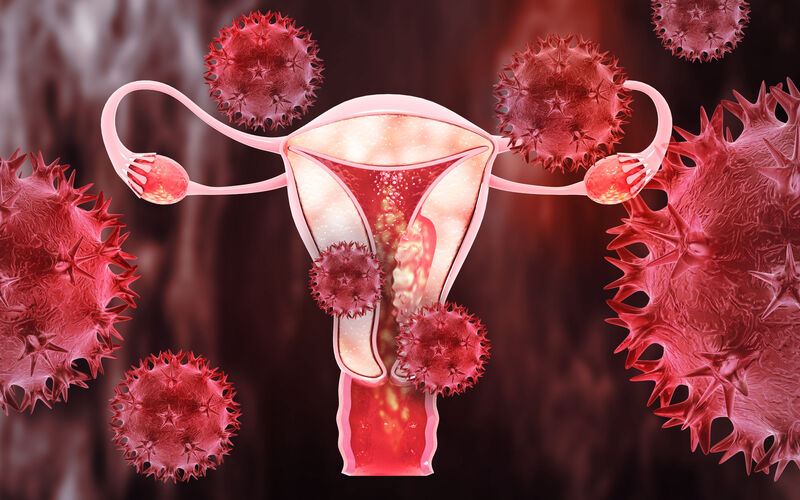
The most common type of uterine cancer develops in the functional layer of cells that forms the inner lining of the uterus (endometrium). This dynamic tissue continually adjusts to hormonal changes that occur during a woman’s menstrual cycle. Each month, the endometrium increases in thickness to prepare for the implantation of a fertilized egg. If pregnancy does not occur, the endometrium later sheds during menstruation.
The symptoms of endometrial/uterine cancer are not always noticeable and, when they are, they can be similar to those of other, less serious conditions. For these reasons, it is important for a woman to become familiar with her body and what is normal for her, and to talk with a physician right away if she notices any unusual changes.

Early warning signs and symptoms of endometrial/uterine cancer
The most common symptom of endometrial/uterine cancer is vaginal bleeding, which may occur in between menstrual periods or after menopause. However, endometrial/uterine cancer can affect the body in many other ways. The most common symptoms of endometrial/uterine cancer include:
- Postmenopausal or abnormal vaginal bleeding
- Unusual vaginal discharge or spotting
- Pelvic pain or pressure
- Pain during urination
- Pain during sexual intercourse
- Unexplained weight loss
- Anemia
Endometrial/uterine cancer risk factors
Endometrial/uterine cancer develops when cells in the uterine lining undergo abnormal changes that interfere with their ability to control their division and growth. The precise causes of these changes are not yet well understood within the medical community. Through research, however, scientists have identified certain factors that may increase a woman’s risk of developing endometrial/uterine cancer, including:
Increased estrogen exposure
A hormone that regulates the female reproductive system, estrogen can also fuel the growth of endometrial/uterine cancer. During each menstrual cycle, the endometrium is normally exposed to a controlled amount of estrogen. Because early-onset menstruation and late-onset menopause can increase the number of menstrual cycles a woman has throughout her lifetime, these factors can also increase her exposure to estrogen and her risk of developing endometrial/uterine cancer. Additionally, a woman may be exposed to excess estrogen if her body naturally produces too much or if she has never been pregnant, uses hormone therapy (estrogen only) to relieve menopause symptoms, takes tamoxifen to prevent or treat breast cancer or has an ovarian tumor that secretes estrogen.
Excess body weight
Being overweight or obese has been definitively linked to an increased risk of many types of cancer, including endometrial/uterine cancer. While the ovaries normally create and release sufficient amounts of estrogen, fatty tissue can also produce this hormone, thereby increasing a woman's estrogen levels and her endometrial/uterine cancer risk. Furthermore, overweight individuals often have chronic low-level inflammation, which can cause DNA damage that leads to the development of cancer over time.
Hereditary nonpolyposis colorectal cancer (HNPCC)
Also known as Lynch syndrome, HNPCC is an inherited condition that increases the risk of colon cancer, as well as endometrial/uterine cancer and several other types of cancer. If a woman has a close relative who has been diagnosed with HNPCC, she should discuss her endometrial/uterine cancer risk profile with a physician and consider genetic testing.

Florida's Cancer Center of Excellence
Moffitt is a Cancer Center of Excellence by the state of Florida. The designation recognizes providers that exceed service standards and excel in providing quality, comprehensive and patient-coordinated care.
What to do if you experience endometrial/uterine cancer symptoms
It’s important to understand that none of the symptoms or risk factors stated above can give a conclusive indicator of cancer. In fact, more often than not, these symptoms are caused by a less serious health condition, such as non-cancerous changes in the uterus or a precancerous overgrowth of the endometrium. That said, if you are experiencing possible signs of endometrial/uterine cancer, you should see a physician promptly for an accurate diagnosis and, if necessary, appropriate treatment. This will help you achieve the best possible outcome and quality of life.
Is endometrial/uterine cancer genetic?
Endometrial/uterine cancer is not passed down from one generation to another, but some people do have a higher risk of developing this malignancy because Lynch syndrome runs in their family.
Lynch syndrome is typically caused by a defect in either the MLH1 or MLH2 gene. Other gene defects that are known to cause Lynch syndrome include the MLH5, MSH6, PMS1, PMS2 and TGBR2 genes. When these genes are abnormal and replicate, the body’s ability to regulate cell growth and repair damage to DNA becomes impaired, resulting in a higher risk of developing endometrial cancer. Women with Lynch syndrome have a 40% to 60% chance of developing endometrial cancer at some point in their lives.
How often should you be screened for endometrial/uterine cancer?
For women who are at average risk for endometrial/uterine cancer and have no symptoms, there are no screening tests available. However, women who have or have had hereditary non-polyposis colon cancer (HNPCC) are at increased risk for endometrial/uterine cancer, and consideration is given to having yearly endometrial biopsy starting at age 35.
If a woman has several family members with a history of colon cancer or endometrial cancer, she can get genetic testing to find out if she has a mutation in one of the genes for HNPCC. If she does, this places her at higher risk for endometrial uterine cancer and qualifies her for a yearly endometrial biopsy screening.
Questions to ask your endometrial/uterine cancer specialist
When seeing your specialist, it is extremely valuable to ask questions and get their advice. Before each appointment, create a list of questions that you want to ask, starting with your very first visit. This can help you feel more involved in the process, more confident in your decisions and more prepared for whatever may come next.
Here are some good questions to ask:
- Can you explain my diagnosis to me in simple terms?
- What is the “stage” of my cancer and how does that affect my prognosis?
- What treatment options do I have to choose from?
- Should I wait to go through one treatment before I move onto another, or is it better to try multiple treatments at the same time?
- Will I need surgery?
- How is the surgery done and what will be removed?
- What will recovery from surgery be like?
- Will any of these treatments impact my ability to have children in the future?
- What side effects will I experience during or after treatment? Are there ways to prevent or alleviate them?
- What are clinical trials? Are there any that are suitable for me? What are the pros and cons of participating in a research study?
- Is there anything else I can do to increase my chances of a positive outcome?
- What are the chances of the cancer coming back if I go into remission?
Preventing endometrial/uterine cancer
There are several proactive steps a woman can take to help prevent or reduce her risk of developing endometrial/uterine cancer, including:
- Maintaining a healthy, stable body weight throughout her life
- Exercising regularly
- Seeing a physician for routine gynecological checkups
- Using a hormone-based birth control method, such as oral contraceptives that combine estrogen and progesterone or a progestin-secreting intrauterine device (IUD)
- When considering post-menopausal hormone replacement therapy, it is important to understand the role of progesterone
- Recognizing family medical history that implies an increased risk of having a genetic predisposition for developing endometrial cancer, and considering genetic assessment in such instances
Moffitt Cancer Center’s approach to endometrial/uterine cancer
If you have endometrial/uterine cancer symptoms, you are welcome to consult with a specialist in the gynecological clinic at Moffitt Cancer Center. To ensure a streamlined patient experience, we offer comprehensive diagnostic, treatment and supportive care services in a single location.
As the only National Cancer Institute-designated Comprehensive Cancer Center based in Florida, Moffitt offers the latest options in endometrial/uterine cancer treatment, including a robust portfolio of clinical trials. As we continually contribute to the growing body of medical research, we are gaining a better understanding of endometrial/uterine cancer and achieving breakthroughs that directly lead to better patient outcomes and quality of life.
To learn more or request an appointment, please call 1-888-663-3488 or complete our new patient registration form online.
Endometrial (Uterine) Cancer