
Complex General Surgical Oncology (CGSO) Fellowship
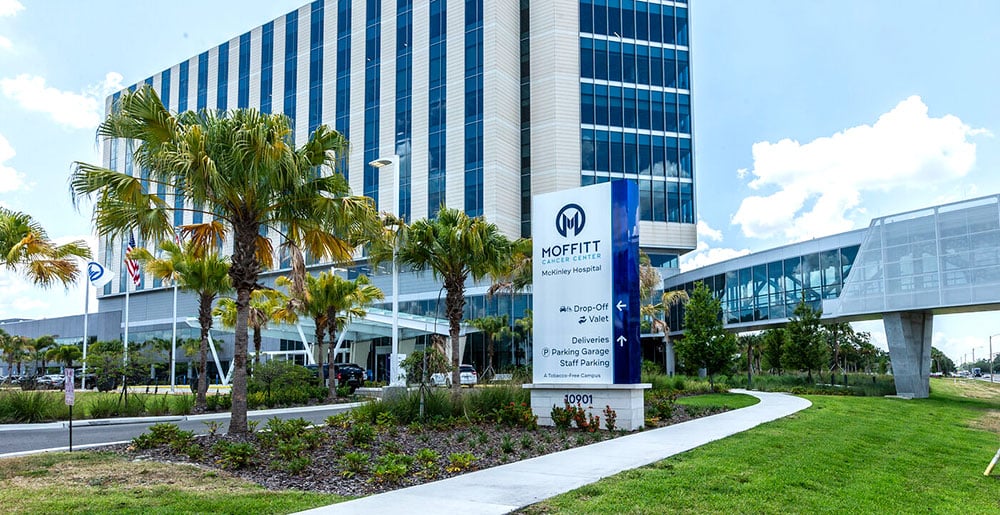
Moffitt Cancer Center is the only NCI-designated Comprehensive Cancer Center based in the state of Florida. The institution has experienced remarkable growth since it was established in 1986. There are approximately 14,000 surgical cases performed each year and over 30,000 new patients are seen. The cancer center receives more than $70 million in federal and corporate research grants annually.
About the Program
The Complex General Surgical Oncology Fellowship at Moffitt Cancer Center is organized through the University of South Florida ACGME program. The fellowship is a two-year program, comprised of 18 months of required clinical rotations, four months of research and two months of dedicated experience in pathology, radiation oncology and medical oncology. All rotations are at Moffitt facilities. The clinical months are designed to give all fellows a core exposure to breast, melanoma, sarcoma, endocrine, GI and HPB oncology. The six additional months of clinical training and research time allow fellows to focus on areas of interest and develop one’s academic endeavors. Fellows may request an optional third year, dedicated to research or obtaining additional clinical training in specific areas.
Our fellows are exposed to every aspect of complex general surgical oncology. Trainees will see the full spectrum of pathology within each disease site. From a technical standpoint, fellows will gain experience with specialized procedures such as cytoreductive surgery and hyperthermic intraperitoneal chemotherapy (CRS/HIPEC), isolated limb infusion, percutaneous hepatic perfusion, intralesional therapy and adoptive cell therapy. When appropriate, we employ minimally invasive (robotic and laparoscopic) approaches for resection. Our large patient volume also allows for exposure to palliative operations and treatment of complications associated with medical therapy (specifically immunotherapy and bone marrow transplant). Our fellows graduate with an average of 450 cases and easily meet SSO-recommended case volumes.
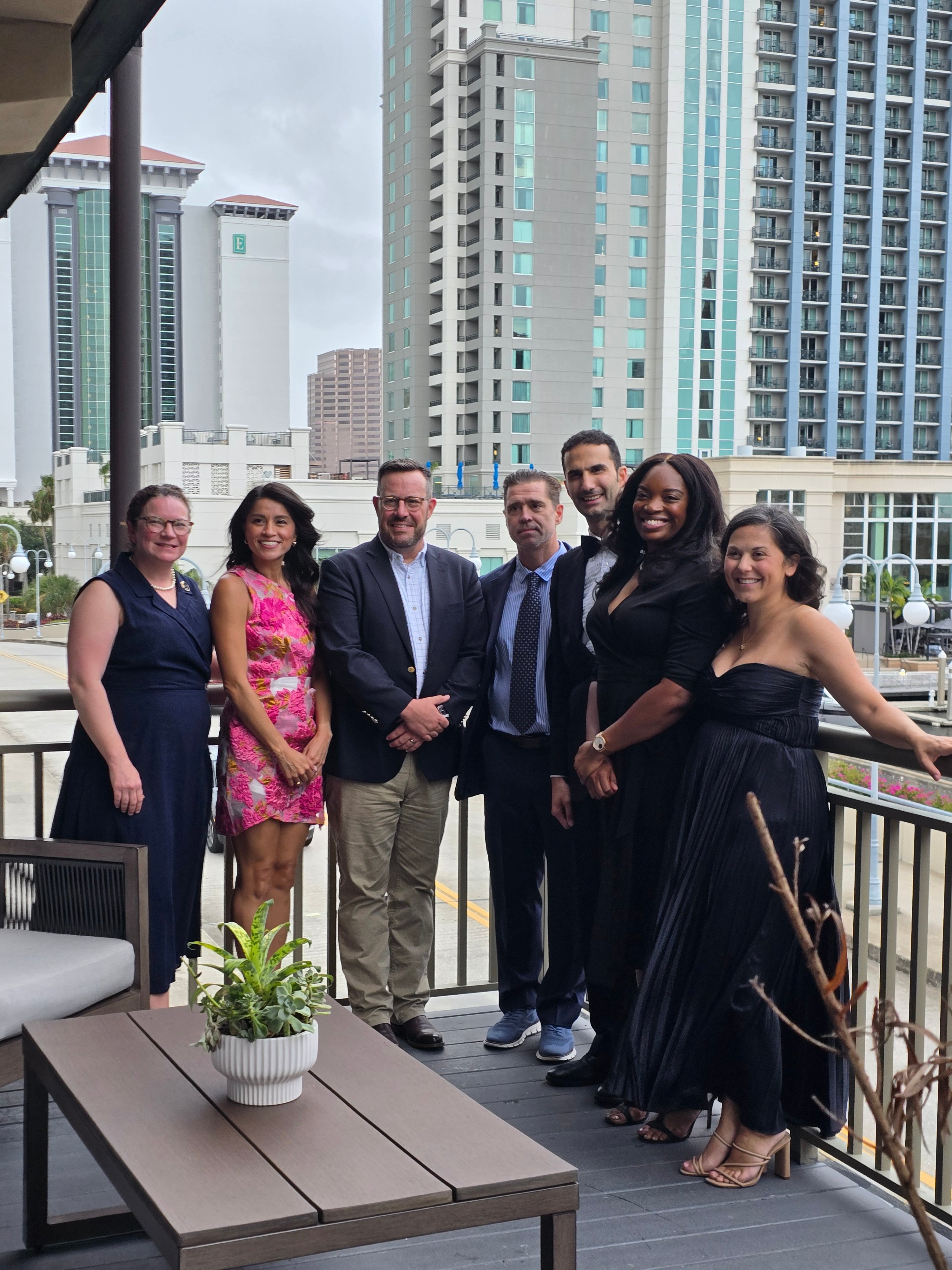
Recently graduated fellows with program leadership.
Our departmental structure is unique in that it is disease-site-based (Breast, Sarcoma, Cutaneous, and GI Oncology). Thus, the multidisciplinary approach to cancer care is built into the very structure of the program. Each rotation contains a weekly dedicated tumor board with participation from all disciplines including medical oncology, radiation oncology, pathology and diagnostic radiology. This allows the trainee continued exposure to sophisticated, thoughtful discussions of treatment plans.
Clinical teaching occurs continuously while on rotation. Additional didactic teaching sessions are also considered a priority. We have a weekly morbidity and mortality conference that covers quality improvement issues and specifically allows fellows to discuss important management decisions that occur during the care of complex oncology patients. Additionally, a Fellows Conference is a weekly, dedicated teaching session during which a fellow presents a specific topic to the group, with a faculty mentor to help highlight the important points during the discussion. These conferences help prepare our fellows for written and oral board examinations.
The program is currently approved to graduate five fellows per year. Many of our fellows have become leaders in academic surgical oncology, but all are experts in the multidisciplinary care of cancer patients.
Mentoring and Research
The PD and APD meet with all fellows on a quarterly basis. These meetings allow for feedback from trainees and an open dialogue about the training program. From the beginning of the fellowship, we start to identify professional interests to help guide each individual to the appropriate position at graduation.
All fellows are expected to participate in research. Research interests are discussed with each fellow at the beginning of the fellowship and at academic productivity meetings. It is expected that fellows will participate in clinical research projects in the first year, as well as begin the background reading and planning that will allow the initiation of a productive research program in the second year. Opportunities exist for the fellows to work with surgical researchers in molecular biology and genetics as well as basic scientists investigating nearly every aspect of human cancer. The third-year research opportunity is encouraged for those with an interest in surgical-scientist positions, but neither mandatory nor guaranteed.
Faculty
Meet Our Team (PDF)
Eligibility
Applicants must be eligible for a Florida medical license and be United States citizens or have appropriate visas qualifying them to legally reside in the U.S. for at least two years.
Number of Positions
5 per year
Deadline
Please visit ERAS to find the deadline.
How to Apply
We accept applications only through the Electronic Residency Application System (ERAS).
Sample Contract
View a sample contract.
Salary and Benefits
View our salary and benefits.
Contact Information
Training Program Director
Sean Dineen, MD
Associate Program Director
John Mullinax, MD
Program Administrator
Teena Geiger
Teena.Geiger@Moffitt.org
Address
H. Lee Moffitt Cancer Center and Research Institute
12902 USF Magnolia Drive, MCC-GME
Tampa, FL 33612
Phone Number
813-745-4787
Surgical Oncology