
9 Things You May Not Know About Palliative Care
Key Takeaways:
- Palliative care can begin at any stage of a serious illness and is not limited to end-of-life care
- It works alongside cancer treatment to manage symptoms, support decision-making and improve quality of life
- Palliative care is different from hospice and can help patients manage pain, nausea, fatigue, sleep and emotional well-being
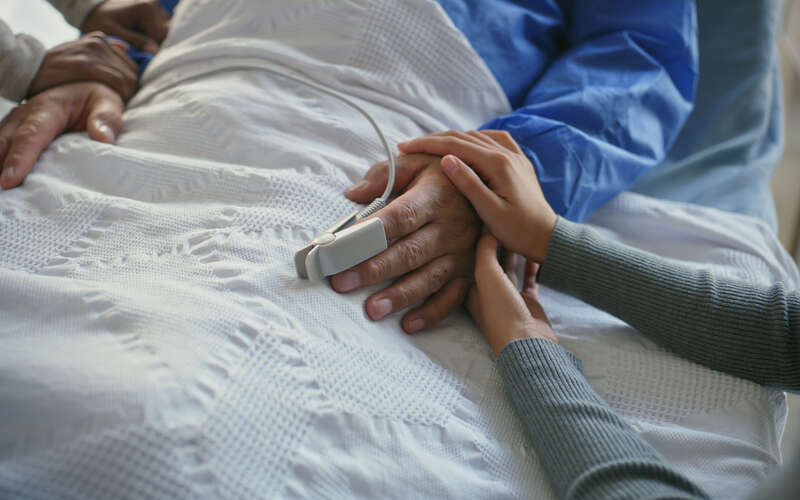
Palliative care specializes in symptom management and emotional and spiritual support when someone faces a serious illness. This care is available at any stage of illness and can not only address a patient’s needs but also assist patients and families with decision-making and care coordination.
Studies have shown that patients who receive palliative care experience improved quality of life and well-being, have fewer hospital visits and may live longer.
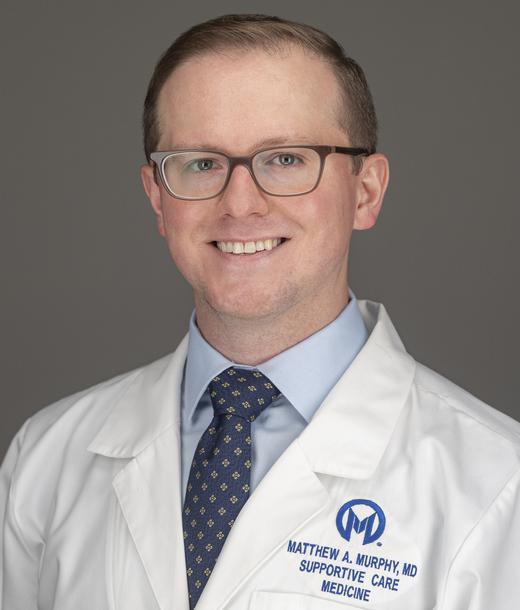
Matthew Murphy, MD
However, palliative care is often misunderstood, with many people associating it exclusively with end-of-life care or assuming it means stopping treatment. Understanding what palliative care is — and what it isn’t — can help patients and families make informed decisions about their care and access support focused on improving quality of life.
Matthew Murphy, MD, a supportive care physician at Moffitt Cancer Center who specializes in hospice and palliative medicine, clears up common misconceptions about palliative care.
Palliative care is only for people at the end of life.
False. Palliative care can start at any time during the course of a serious illness like cancer.
Palliative care and hospice are the same thing.
They are not the same thing. Palliative care can be delivered to patients at any time during the course of a serious illness. Hospice is reserved for patients near the end of life, typically with a life expectancy of six months or less.
Receiving palliative care means you’re giving up on treatment.
Absolutely not. Palliative care is an additional layer of specialized and expert support to help patients and families through their cancer journey.
Palliative care can be provided at any stage of a serious illness.
Absolutely. Palliative care is best started as early in the course of treatment for cancer as possible.
You have to stop seeing your oncologist when you start palliative care.
No. Palliative care goes alongside your cancer-directed treatment, so patients continue to see their oncologists to receive cancer-directed treatments. Our job is to help make that person feel as well as possible to best tolerate those treatments.
Palliative care is only for managing pain.
Palliative care teams manage all kinds of symptoms, not just pain. We can help with things like nausea, constipation, mood, sleep, appetite and fatigue.
You should worry if you are referred to palliative care.
Not necessarily. Patients are referred to palliative care for all kinds of reasons, and it’s all about improving quality of life.
Palliative care can help with symptoms throughout treatment.
Absolutely. Not only do we help with all kinds of different symptoms, but there have been some studies that show that involving palliative care teams can actually help patients with cancer live longer and better.
Palliative care specialists can work alongside your care team.
We can and we do. We collaborate very closely with patients’ oncologists and other members of the care team to ensure that we are delivering the best possible care to patients and families.
 Medically reviewed by Matthew Murphy, MD, Supportive Care Medicine Department