
Back-to-School Season Is a Reminder That Prevention Matters
Key Takeaways:
- Vaccines can help prevent cancer by protecting against cancer-causing viruses such as HPV and hepatitis B
- Screening can detect precancerous cervical changes so they can be treated before they become cancer
- Cancer treatments help the immune system recognize and attack cancer cells
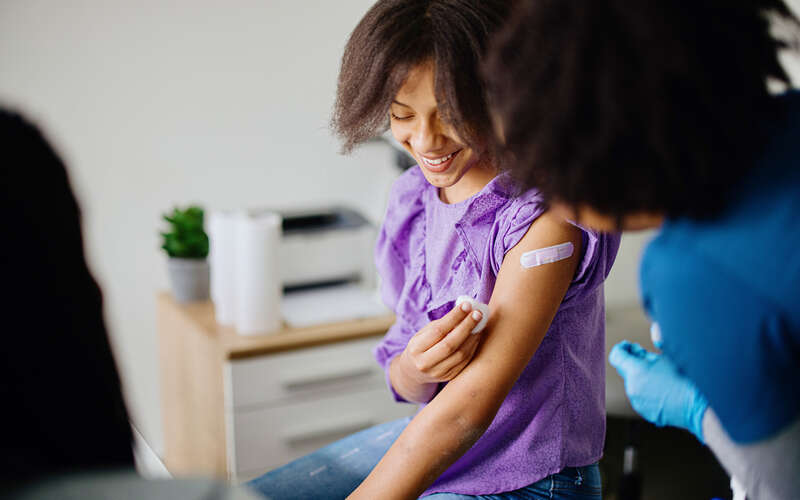
As families prepare for a new school year, back-to-school checklists often include physicals and annual checkups. It is also a good time to remember that the immune system can play an important role in preventing certain cancers and can also help treat cancer after it develops.
Preventing Cancer Before it Starts
Some viruses can increase a person’s risk of developing cancer later in life. For example, human papillomavirus (HPV) is linked to several cancers, including cervical, anal and some head and neck cancers, while hepatitis B can increase the risk of liver cancer. Immunizations that protect against these viruses can also help lower the risk of cancer they may cause.
Reducing the Risk
HPV infection causes about 5% of all cancers worldwide. There are ways to help prevent HPV infection and detect changes that could lead to cancer.
- Get Screened: HPV causes nine out of 10 cervical cancer cases. A Pap test can detect abnormal or precancerous cervical cells, so they can be treated before they become cancer. An HPV test detects the presence of human papillomavirus. There are currently no screening tests for other types of cancers caused by HPV.
- Get Vaccinated: The HPV vaccine prevents cancer by protecting against the most common types of HPV that cause cancer. Children can receive it as early as 9, and catch-up vaccination is recommended through age 26 for those who have not been vaccinated. Adults ages 27 to 45 who have not previously been vaccinated may also be eligible.
Helping the Immune System Fight Cancer
Unlike cancer prevention vaccines, which can stop cancer from developing, cancer treatment vaccines target cancer that has already developed in the body. These vaccines are designed to help the body’s immune system recognize, target and destroy cancerous cells.
Some cancer treatment vaccines are made from cancer cells or antigens, which are proteins found on the surface of cancer cells. Others are created from a sample of a patient’s immune cells, which are exposed to cancerous cells or antigens in a lab. Researchers are also studying mRNA technology as a potential approach to cancer treatment.
Some cancer treatment vaccines that are currently in use include:
- T-VEC: Used for treating advanced melanoma that cannot be surgically removed
- Bacillus Calmette–Guérin (BCG): Originally developed for tuberculosis and now approved for treating early-stage bladder cancer
- Provenge: Used for treating prostate cancer