
Could Fasting Around Chemotherapy Improve Ovarian Cancer Treatment?
Key Takeaways:
- Ovarian cancer patients who fasted around chemotherapy showed stronger treatment responses in a small clinical trial
- Nearly 60% of fasting patients had complete or near-complete responses versus fewer than 20% of controls
- Researchers say larger trials are needed before fasting can be recommended during chemotherapy treatment
A small clinical trial from Italy is raising new questions about whether short-term fasting around chemotherapy treatments could help improve outcomes for some patients with advanced ovarian cancer.
The study, which will be presented at the 2026 American Society of Clinical Oncology Annual Meeting, focused on patients with high-grade serous ovarian carcinoma, the most common and deadliest form of ovarian cancer. Researchers found that patients who fasted shortly before and after chemotherapy had lower insulin levels, stronger responses to treatment and longer periods without cancer progression compared with patients who ate normally during this time frame of treatment.
#ASCO26 abstracts have dropped! 🎉 Explore over 7,000 newly available studies showcasing the latest breakthroughs transforming global cancer care: https://t.co/ykvi9VM1oW pic.twitter.com/aP9txOHBTq
— ASCO (@ASCO) May 21, 2026
The pilot study included 36 patients in Rome with stage 3 or 4 ovarian cancer. Participants received three rounds of carboplatin and paclitaxel chemotherapy before surgery. Half were randomly assigned to fast for 36 hours before chemotherapy and 24 hours after treatment, while the other half continued their normal diet.
Why Researchers Are Interested in Fasting

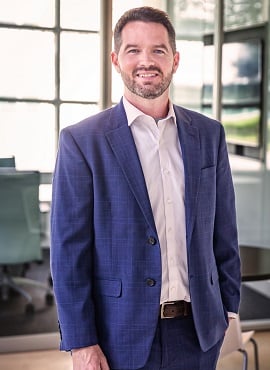
Monica Avila, MD
Researchers said the fasting approach in the trial was designed to lower insulin levels, which previous studies suggest may contribute to cancer growth and resistance to chemotherapy.
“We’ve known for a long time that there is a connection between higher insulin levels including diabetes and obesity and the formation and propagation of cancer even if we don’t yet know how it all relates at the molecular level,” said Monica Avila, MD, a gynecologic oncologist at Moffitt Cancer Center. “If short-term fasting can lower insulin levels, it raises questions about whether newer therapies like GLP-1 drugs could potentially enhance these effects over a longer period.”
Lower Insulin, Stronger Responses
After three chemotherapy cycles, insulin levels dropped in the fasting group while increasing in the control group. Nearly 60% of fasting patients achieved a complete or near-complete response to chemotherapy before surgery, compared with fewer than 20% of patients who ate normally.
Early data also suggested patients in the fasting group remained cancer-free longer. Researchers estimated progression-free survival at 38 months for fasting participants versus 24 months for the control group.
“Despite advancements in surgery and chemotherapy, patients with advanced ovarian cancer still face poor outcomes,” said lead author Claudia Marchetti, MD, of the Fondazione Policlinico Universitario Agostino Gemelli in Rome, Italy. “This highlights the urgent need for safe, low-cost and easily implementable strategies that can enhance treatment efficacy and improve patient prognosis.”
Researchers also observed biologic changes suggesting chemotherapy may work more effectively in fasting patients, including reductions in certain immune cells associated with tumor progression.
Experts Urge Caution Despite Encouraging Results
Outside experts cautioned that the study was small and that patients should not attempt fasting during chemotherapy without guidance from their care team.
“It is important for patients to understand these are small numbers and larger studies are needed to determine whether fasting truly drove these responses,” Avila said. “For now, this should be viewed as investigational, and patients should continue following guidance from their care team on maintaining nutrition and exercise during treatment.”
Researchers said all patients in the fasting group completed treatment, and side effects were similar between both groups, with low blood cell counts and anemia remaining the most common chemotherapy-related complications.
The team plans to continue studying how fasting affects the immune system and tumor biology during treatment and hopes to launch a larger clinical trial in the future.