Could Novel Breast Cancer Immunotherapy Reduce Need for Chemotherapy?
Key Takeaways:
- Phase 2 trial found intratumoral dendritic cell therapy improved immune and treatment response in HER2-positive breast cancer
- Half of hormone receptor-positive patients and 83% of hormone-negative patients had pathologic complete responses following study treatment
- Nearly 17 months after surgery, no patients in the trial experienced disease recurrence
While survival rates for HER2-positive breast cancers have improved thanks to targeted therapies, chemotherapy is still a required part of treatment, which may bring unwanted side effects.
Could a personalized immunotherapy treatment reduce or even eliminate the need for chemotherapy while also improving outcomes?
An investigator-initiated phase 2 trial at Moffitt Cancer Center examined the efficacy of dendritic cell therapy in conjunction with HER2-targeted therapy and a deescalated chemotherapy regimen prior to surgery in patients with early stage HER2-positive breast cancer.
The results, which were presented at the 2026 American Society of Clinical Oncology Annual Meeting, show dendritic cell therapy increased immune response, clearance of circulating tumor DNA and overall treatment response.
Harnessing the Immune System
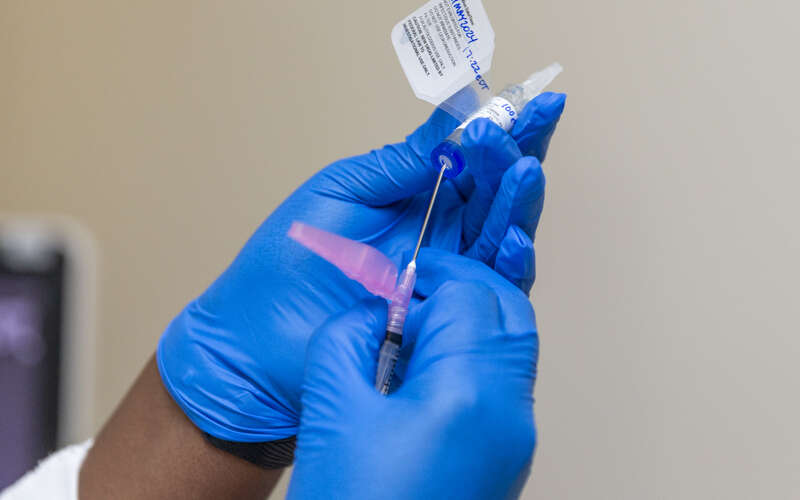
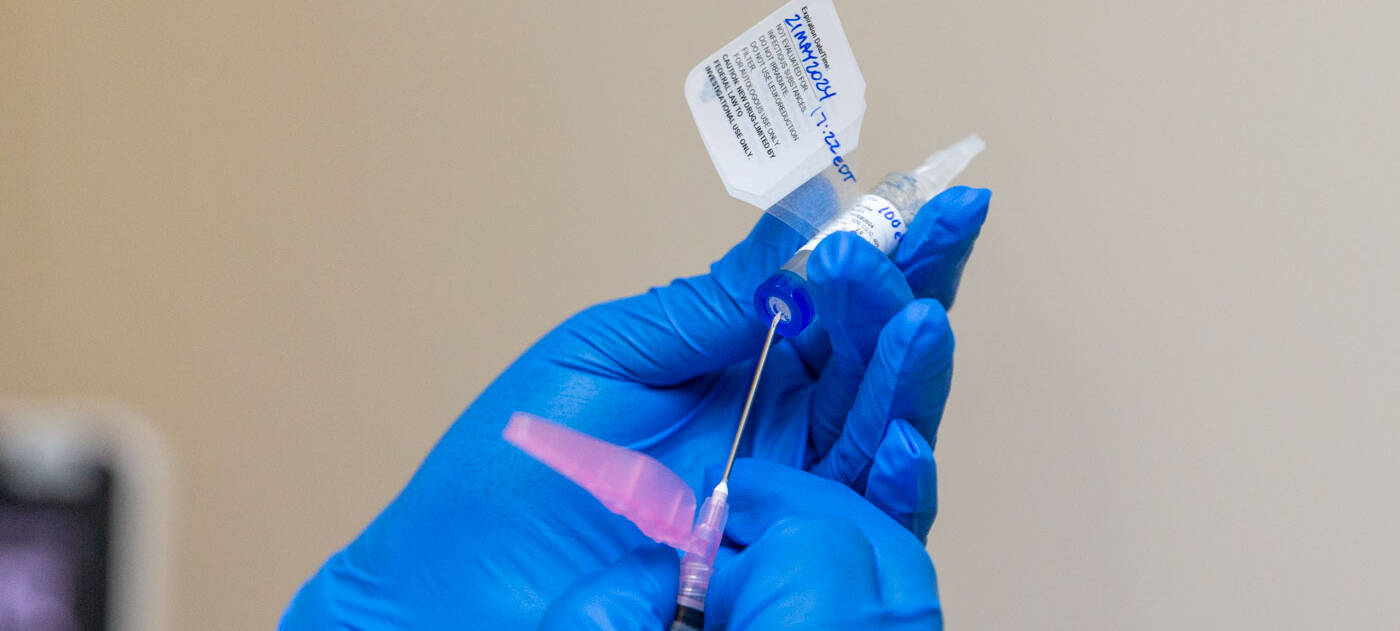
Dendritic cells are a special type of immune cell that boosts immune responses by highlighting breast cancer cells for the immune system to attack. They are harvested from a patient’s blood and combined with HER2 proteins in the lab to recognize and target the cancer before being injected directly into the patient’s primary breast tumor.
A phase 1 trial showed the treatment was safe with manageable toxicity and identified the optimal dosage, 100 million dendritic cells, for patients in the phase 2 trial.
The phase 2 trial, called the NATASHA trial, enrolled 47 HER2-positive breast cancer patients at Moffitt, half with hormone receptor-positive disease and half with hormone receptor-negative disease. They were treated with six weeks of dendritic cell injections combined with targeted therapies pertuzumab and trastuzumab, followed by 12 weeks of paclitaxel, a less intense chemotherapy compared to current standard regimens.
-

50%
Of patients with hormone receptor-positive disease had a complete pathologic response to the treatment
-

83%
Of patients with hormone receptor-negative disease had a complete pathologic response to the treatment
Half of patients with hormone receptor-positive disease and 83% of patients with hormone receptor-negative disease had a complete pathologic response to the treatment. Of the patients who had circulating tumor DNA testing, which looks for small fragments of genetic material shed by cancer cells that can indicate minimal residual disease, prior and after immunotherapy and before surgery, 68% had positive circulating tumor DNA at baseline. Seventy percent cleared that circulating tumor DNA after the six weeks of dendritic cell treatment.

Almost 17 months after surgery, no patients experienced disease recurrence.
“These dendritic cells have shown in multiple different clinical trials increased immune infiltration, which is extremely important for improving patients’ outcomes — not just pathology complete responses, but long-lasting immunity that has the potential to help patients be cured, ” said Heather Han, MD, lead study investigator and a medical oncologist in the Breast Oncology Department at Moffitt.
Future of Dendritic Cells
Han says the promising trial results have led to designing the next generation of the trial, which includes investigating intratumoral dendritic cell therapy in combination with HER2-targeted therapies without any chemotherapy and identifying which groups of patients would benefit the most from the treatment.
“The goal is to get a pathologic complete response rate to 100% even without potentially needing cytotoxic chemotherapy,” Han said. “That is the next task: how to potentially make the vaccines more effective and find which patients will be best treated on this treatment.”
Moffitt is also studying dendritic cell therapy in other breast cancer subtypes, such as triple-negative, estrogen-positive and HER2-negative.