Dolly Parton’s Death Shines Light on the Power of Clinical Trials
Key Takeaways:
- Dolly Parton’s final wish to pursue experimental cancer treatments highlighted the life-changing impact of clinical trials for future patients
- Clinical trials are carefully regulated and offer qualified patients access to promising new therapies that may not yet be widely available
- Cancer experts encourage patients to ask about clinical trials early, as many treatments that save lives today began through research studies
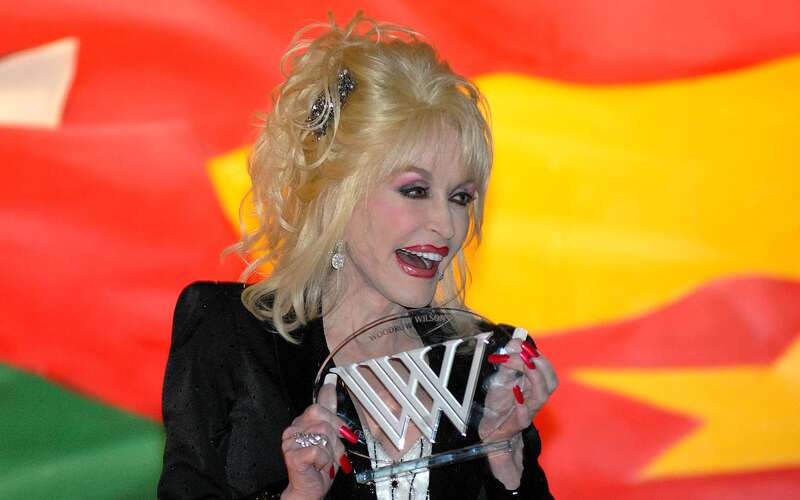
Dolly Parton spent her life lifting others up. In a Facebook tribute, her sister Stella shared that Dolly carried that same generosity into her final days, telling her family that even if there was no hope for her, she wanted doctors to try experimental cancer treatments so future patients might benefit.
It was a quiet but powerful gesture — one that cancer experts say reflects a motivation they see often.
Eric Haura, MD, associate center director of Clinical Science at Moffitt Cancer Center, says many patients consider clinical trials not only for themselves, but for the people who will come after them.
“There definitely are people who are very altruistic,” Haura said. “Some feel a strong desire to give back to the healthcare system. In academic centers, like Moffitt, people realize they’re a source of training and research, and they want to give back to it.”
What Makes Experimental Treatments Different
Clinical trials test new therapies that have not yet received U.S. Food and Drug Administration approval. They are tightly regulated, closely monitored and offered only at centers equipped to safely deliver them.
“There’s a very important framework to make sure the research is safe and ethical,” Haura said. “You need physicians, nurses and staff with a lot of expertise because we don’t know all the side effects yet.”
Trials often begin with patients whose cancer has progressed on standard treatments. But today’s studies look different than they once did. Advances in tumor biology and personalized medicine mean many first‑in‑human drugs are designed with strong scientific rationale, which means a higher likelihood of working.
Haura pointed to daraxonrasib, a new RAS‑targeting drug approved this week for advanced pancreatic cancer. The drug zeroes in on a mutation that drives tumor growth, allowing researchers to predict that blocking it could meaningfully slow the disease.
“There are some drugs where even though they’re first in human and experimental, they’re really likely to work,” Haura said. “It’s not like years ago when people used the dirty word ‘guinea pigs.’ It can be very powerful now to go on these studies early.”
Why Patients Consider Clinical Trials

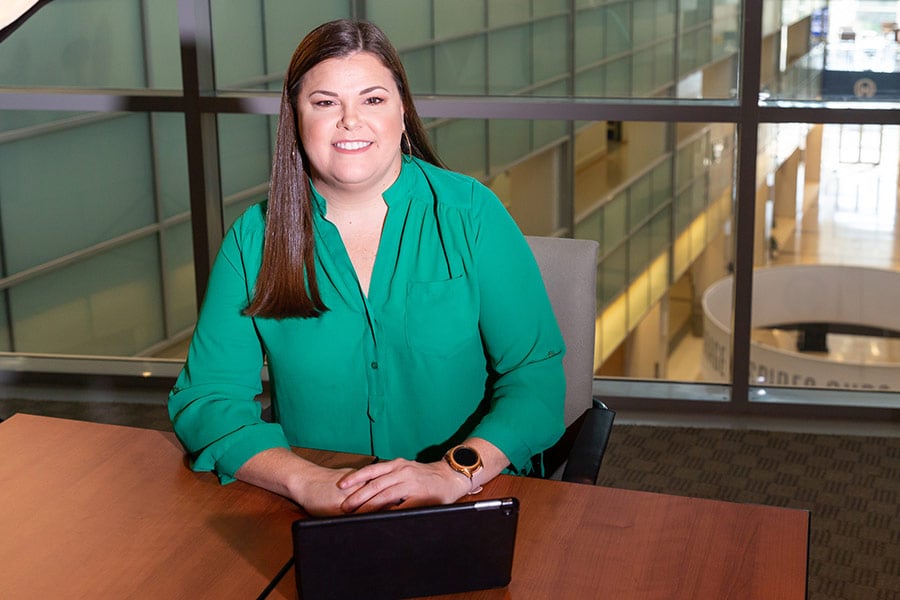
Eric Haura, MD
For many people, clinical trials offer another option when standard treatments have been exhausted. But Haura says the decision is personal and depends on a patient’s goals, prognosis and overall health.
“You have to be healthy to go on experimental therapies,” he said. “We take extra care in screening because new treatments can have side effects that aren’t completely understood yet.”
Haura encourages patients to ask about trials early, noting that many therapies now considered standard, including immune treatments for melanoma and lung cancer, began in clinical studies. Some of the patients who enrolled years ago are still alive today.
“We’ve seen it time and time again that patients who went on clinical trials are either living longer or, in some cases, are cured,” Haura said. “Clinical trials offer the best source of hope.”
A Legacy of Kindness
Stella Parton wrote that her sister wanted to help others even if she could not be helped herself. Haura says sharing that message publicly may encourage more people to consider clinical trials and understand that they are safe, ethical and often promising.
“It’s really nice to see this come out,” he said. “Some people think it’s being experimented on, and there’s a bad connotation. But things are done in a very safe way. The only way we learn about new medicines is to take care of human beings with cancer.”
Dolly Parton spent her life giving generously. In her final days, she chose to give again, this time, to people she would never meet.
“She left the world a better place by being in it,” her sister wrote. “So, let’s follow her example.”
For patients facing cancer today, that example may mean asking their doctor whether a clinical trial could be part of their own story.
 Medically reviewed by Eric Haura, MD, Thoracic Oncology Program