FDA Advisory Panel Backs Approval of Blood Test That May Help Detect Some Cancers
Key takeaways:
- FDA advisers recommended approval of a blood test designed to detect signals from more than 50 cancer types
- The Galleri test may help identify some cancers earlier but does not replace routine screening or diagnostic tests
- A large trial found fewer stage 4 diagnoses, but it did not significantly reduce late-stage diagnoses overall
A blood test that may help detect some cancers is in the spotlight again after a U.S. Food and Drug Administration advisory panel recommended approval of it.
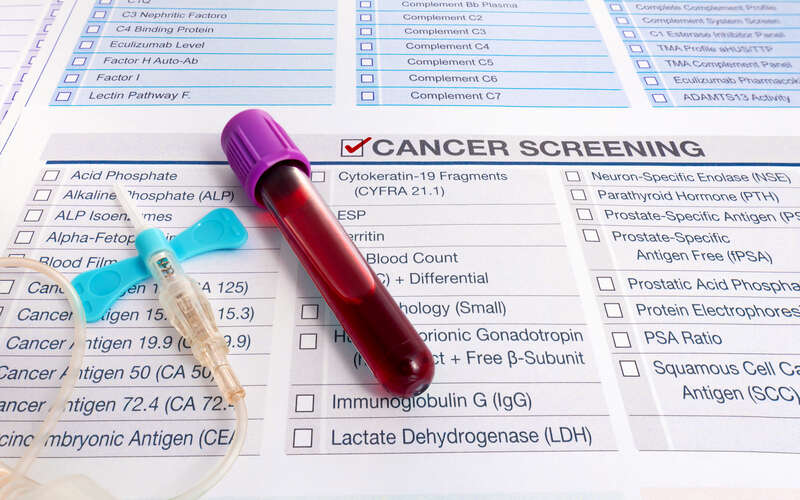
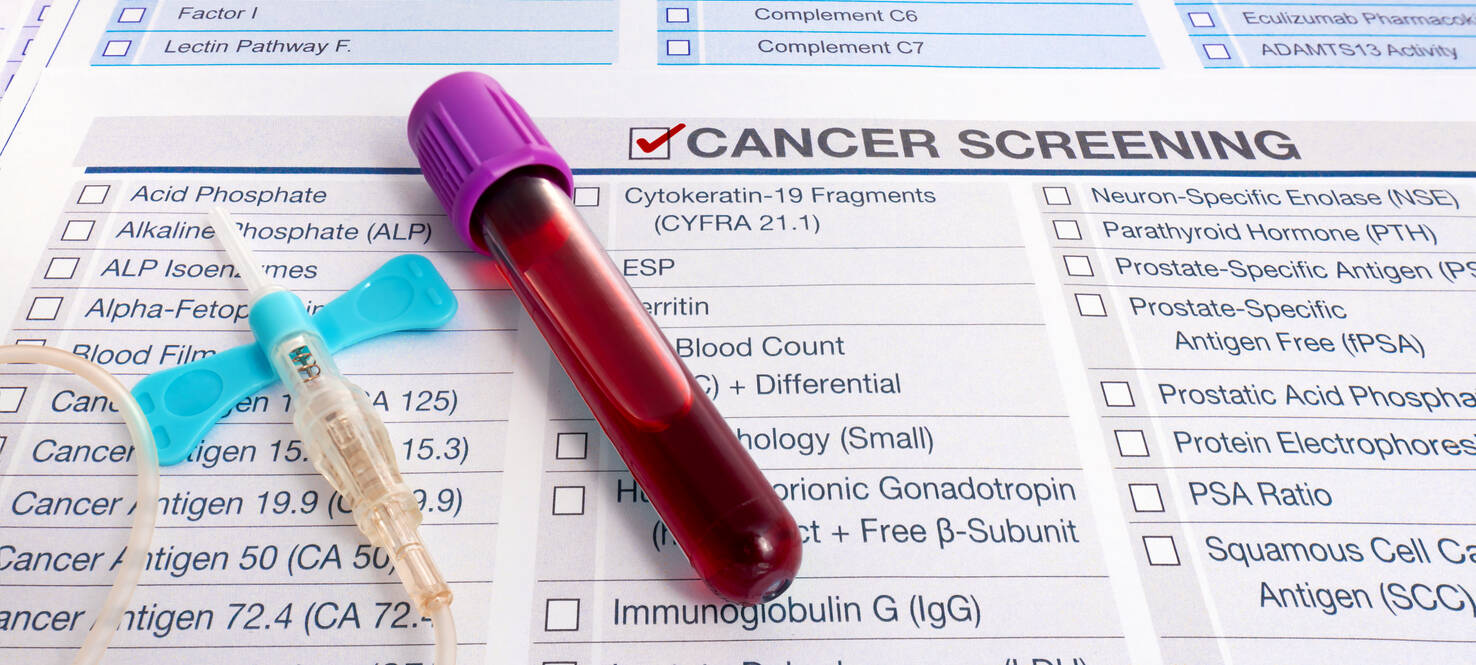
The Galleri multi-cancer early detection test analyzes fragments of DNA circulating in the bloodstream and searches for patterns associated with cancer.
Previous studies have shown the test can detect signals from more than 50 types of cancer, including many that currently have no recommended screening methods.
“This has the potential to save a lot of lives, but it hasn’t reached the official threshold of FDA approval yet,” said Theresa Boyle, MD, PhD, a pathologist at Moffitt Cancer Center.
How It Works
The blood test is designed to detect dozens of cancers before symptoms appear and may help identify some cancers earlier and reduce the number diagnosed at the most advanced stage. Results from a large randomized clinical trial were presented during the 2026 American Society of Clinical Oncology Annual Meeting.

Theresa Boyle, MD, PhD
Boyle says a major potential benefit of the blood test could be convenience and improved compliance, particularly for people who don’t complete other recommended screenings.
However, she emphasized that the test is not intended to replace routine cancer screenings or diagnostic tests, such as a CT scan, when there is a specific concern about cancer.
The Galleri test is currently available by prescription only. Because it is not covered by insurance, it costs close to $1,000. However, FDA approval could pave the way for broader access and potential insurance coverage.
Don’t Skip Regular Screenings
Christine Walko, PharmD, chair of the Individualized Cancer Management Department at Moffitt, says while it's known that the test is safe and can help detect multiple cancers for which screening isn't available, it's important to know that a negative test does not necessarily exclude the possibility of cancer and may miss certain early-stage cancers.
"This novel test is very exciting and hopefully a good first step for eventually having a multi-cancer early detection test with both high specificity and sensitivity," Walko said.
Researchers reported that participants who received annual screening with the Galleri multi-cancer early detection test were less likely to be diagnosed with stage 4 cancer and had fewer cancers detected after symptoms developed compared with people who received standard cancer screening alone. However, the study did not meet its primary endpoint of significantly reducing the number of late-stage cancers overall.

The findings came from the NHS-Galleri trial, the first randomized controlled study to report results for a multi-cancer early detection test. Researchers say the results provide an important early look at how blood-based cancer screening could potentially complement existing screening programs in the future.
 Medically reviewed by Theresa Boyle, MD, PhD, Pathology Department